販売価格
販売中
お取り寄せお取り寄せの商品となります
入荷の見込みがないことが確認された場合や、ご注文後40日前後を経過しても入荷がない場合は、取り寄せ手配を終了し、この商品をキャンセルとさせていただきます。
| フォーマット | CDアルバム |
| 発売日 | 2002年12月10日 |
| 国内/輸入 | 輸入 |
| レーベル | Sony BMG |
| 構成数 | 1 |
| パッケージ仕様 | - |
| 規格品番 | 74321974242 |
| SKU | 743219742421 |
構成数 : 1枚
合計収録時間 : 00:35:44
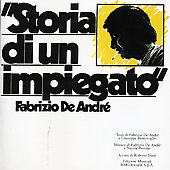
Storia di un Impiegato is Fabrizio De Andre's fourth and last concept album, and as such it closes an essential period of his career. In many ways a transition album, De Andre himself acknowledged that it failed to reach the heights of his previous two masterpieces La Buona Novella and Non al Denaro non All'Amore Ne al Cielo. As its title proclaims, Storia di un Impiegato tells the story of a nameless, ordinary clerk whose political conscience is awakened while listening to a five-year-old French song from May 1968. The clerk realizes that all his life he has been a conformist, selfish, non-entity, and decides it is high time to join the fray. After a series of bizarre delusional nightmares, he attempts to blow up the Parliament, fails ludicrously, and ends up in jail. Ironically, once a prisoner, he finally achieves his dream of becoming part of a collective. The most overtly political of De Andre's albums, it was released at a time of exacerbated internal turmoil in Italy, torn by terrorism and state repression, as well as economic crisis and generational conflict. Almost inevitably in such a charged atmosphere, the album's concept and recording were marred by dissent between De Andre and his collaborators, writer Giuseppe Bentivoglio, producer Roberto Dane, and composer Nicola Piovani, over the general direction the project should follow. Dane and Bentivoglio wanted an all-out Marxist analysis of class conflict, while De Andre was more interested in the protagonist's psychology. The resulting product is a mixed bag. On the one hand, some tracks (especially the recitatives) are guilty of a heavy-handed ideological thrust that now sounds outdated and pretentious. On the other, the best songs exude a vital sense of anger, sorrow, and remorse that ranks them among De Andre's finest. For instance, "Introduzione/Canzone del Maggio" (liberally adapted from a May 1968 French protest song) is a killer opening, a rollicking attack on all those who preferred to look the other way while riots were taking place right in front of their noses. Full of outrage and venom, this song is the closest De Andre will sound to Phil Ochs or Bob Dylan (in fact, even if it precedes it by two years, in its bite it is very reminiscent of the latter's "Hurricane"). At the other end of the album, "Verrano a Chiederti del Nosto amore" is arguably the most devastating love song De Andre ever wrote -- which should say it all. Furthermore, the entire album is strengthened by excellent sequencing, which creates a flowing, overall listening experience that may amount to more than the sum of its parts. An imperfect but thoroughly compelling album, Storia di un Impiegato remains a worthy addition to De Andre's impeccable catalog. ~ Mariano Prunes
エディション : Remaster
録音 : ステレオ (---)
読み込み中にエラーが発生しました。
画面をリロードして、再読み込みしてください。