| フォーマット | CDアルバム |
| 発売日 | 1994年08月04日 |
| 国内/輸入 | 輸入 |
| レーベル | Full Moon/Asylum |
| 構成数 | 1 |
| パッケージ仕様 | - |
| 規格品番 | 23689 |
| SKU | 075992368926 |
構成数 : 1枚
合計収録時間 : 00:41:46
Personnel: Bill Champlin (vocals, guitar, keyboards); Peter Cetera (vocals, guitar); Lee Loughnane (vocals, trumpet, percussion); Robert Lamm (vocals, keyboards); Steve Porcaro (vocals, synthesizer); David Foster (guitar, strings, keyboards); Steve Lukather (guitar, strings); Chris Pinnick, Michael Landau (guitar); Jeremy Lubbock (strings); James Pankow (trombone); David Paich (synthesizer); Daniel Seraphine (drums); Walter Parazaider (wind).
Unknown Contributor Roles: Chris Pinnick; Daniel Seraphine; James Pankow; Lee Loughnane; Michael Landau; Peter Cetera; Steve Lukather; Walter Parazaider; Bill Champlin; Robert Lamm.
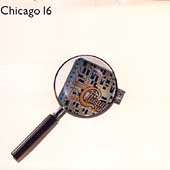
Although they had a moderate hit with 1978's Hot Streets, for all intents and purposes Chicago had been adrift since the tragic death of Terry Kath in January of 1978. Chicago 16 is where the band finally righted itself, in no small part due to the addition of guitarist/keyboardist Bill Champlin, the namesake of the '60s San Franciscan psychedelic outfit the Sons of Champlin, who in addition to joining the band brought into the circle the producer who would change Chicago's commercial fortunes: David Foster. The Canadian producer had worked with Champlin on a solo album, Runaway, which made a very small ripple on the Billboard charts upon its 1981 release, but did pave the way for the sound that Chicago developed on 16. Under the direction of Foster, Chicago turned away from any lingering jazz-rock roots they had, and they also backed away from the disco aspirations that sank their turn-of-the-decade platters. Instead, they pursued a glistening modern pop sound, anchored with dramatic drums, built on synthesizers, decked out in arena rock guitars, layered with harmonies, and stripped of any excesses -- which by and large included Chicago's famed horn section, which was now used for punctuation instead of functioning as the center of the group's sound. This was no-nonsense, all-business, crisp and clean pop for the Reagan era, and it not only became a smash hit for Chicago -- reaching the Top Ten, thanks to the singles "Hard to Say I'm Sorry" and "Love Me Tomorrow" -- it defined Foster's sound, which in turned defined adult contemporary for the '80s. It may not have been too faithful to Chicago, at least what the band was in the '70s, but amidst '80s adult pop, it's a high watermark -- and a lot punchier and tougher than the singles would suggest, too, since almost all of the album tracks are relatively high energy and soulful. And since this finds Foster hitting his groove as a producer, 16 is always a pleasure to listen to even when the songs themselves tend toward the forgettable. Again, it's not necessarily an album for fans of Chicago the musicians, but those who love Foster the producer and the two singles on 16, this record is an entertaining period piece. ~ Stephen Thomas Erlewine
録音 : ステレオ (Studio)
読み込み中にエラーが発生しました。
画面をリロードして、再読み込みしてください。
素直になれなくて を耳にした事がない人は まず試聴してみて欲しいです。