| フォーマット | CDアルバム |
| 発売日 | 2002年02月28日 |
| 国内/輸入 | 輸入 |
| レーベル | ESP-Disk |
| 構成数 | 1 |
| パッケージ仕様 | - |
| 規格品番 | 1040 |
| SKU | 8013252404023 |
構成数 : 1枚
合計収録時間 : 00:36:48
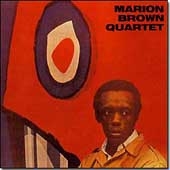
Marion Brown Quartet/Marion Brown: Marion Brown; Norris Sirone Jones (double bass); Rashied Ali , Stanley Cowell.
Personnel: Marion Brown (alto saxophone); Stanley Cowell (piano); Rashied Ali (drums).
Issued in 1968, Why Not? is Marion Brown's second outing for the ESP label as a leader. The saxophonist also guested on a Burton Greene date earlier that same year. Featuring pianist Stanley Cowell, Coltrane alumnus Rashied Ali (Coltrane had been dead less than a year at this time), and bassist Norris Sirone Jones, Brown reveals his great strengths as a composer and bandleader, which are matched by his abilities as a soloist. The opener, "La Sorella," features a gorgeous opening solo by Cowell. Using large and intricate chorded modal phrases, Cowell creates a virtual chromatic field for the rest of the rhythm section -- Jones, in particular, responds in kind with scintillating three-string figures that add a deeper series of conical figures for ballast. Brown enters just behind Ali in full cry on the alto. Using a Coltrane-esque song figure to respond to Cowell's stunningly beautiful foundation, Brown blows lean but long lines before a long solo by Jones cuts them all quiet. When the band enters, they are in prelude form, with spun-out piano lines ever in anticipation and Brown calling something out of the ether that never quite materializes, which is fine because on "Fortunata" it does: a ballad that develops into something wholly other without changing tempo. This is jazz as expressionism; it doesn't need to be "free" because it has been untethered from the opening bars. Brown's solo here lilts on the branches of Cowell's arresting, nearly Debussian chromatic figures that extend harmonic ranges almost without end. By the time the band gets to the title track, a free workout in a dizzying tempo, the listener is grounded enough in Brown's composed lyricism so as not to be surprised at all when the fury of the tempo is elongated by the temperance in tension the band creates. Finally, on "Homecoming," where the ballad begins to show its face once more, each member steps in to underline and deconstruct it by using contrapuntal lyricism as a contrast. Even Ali, one of the great powerhouse drummers, dances rather than sprints around the band, even in his lengthy solo. This is a phenomenal album, a place where Marion Brown got to reveal early on why he was such a formidable force: He understood the inherent importance of musical traditions and he also understood how imperative it was to them and to jazz to extend them in a manner that left their roots clearly visible. ~ Thom Jurek
録音 : ステレオ (Studio)

※ショッピングカートおよび注文内容の確認画面にてフラゲのお届けになるかご確認ください。
※各種前払い決済をご利用の場合、フラゲは保証しておりません。
※フラゲは配送日時指定なしでご注文いただいた場合に限ります。
読み込み中にエラーが発生しました。
画面をリロードして、再読み込みしてください。