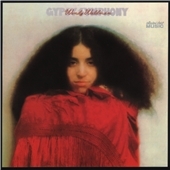
| フォーマット | CDアルバム |
| 発売日 | 2002年02月11日 |
| 国内/輸入 | 輸入 |
| レーベル | Luaka Bop |
| 構成数 | 1 |
| パッケージ仕様 | - |
| 規格品番 | 11135 |
| SKU | 724381113523 |
構成数 : 1枚
合計収録時間 : 00:40:04
Los De Abajo: Liber Teran (vocals, guitar); Yocu Arellano (violin, drums); Vladimir Garnica (guitar, tres, jarana); Carlos Cuevas (accordion, piano, keyboard); Damian Portugal (saxophone, piano, background vocals); Odisea Valenzuela (trombone, background vocals); Carlos Cortes (bass, background vocals).
Additional personnel includes: Dani Macaco, Amparo Sanchez, Violeta Ortega (vocals); Martin Fuks (muted guitar); Daniel Xican Vallejo (alto saxophone); Gabriel Elias (percussion); Armando "El Pinaca" Espinoza (timbales, bells).
Includes liner notes Jamie Renton.
Personnel: Amparo Sanchez, Violeta Ortega, Alvaro Alcantara (vocals); Valdimir Garnica (guitar, Spanish guitar, requinto, tres, jarana); Liber Teran (flute); Carlos Cuevas (accordion, Fender Rhodes piano, melodeon, mini-Moog synthesizer); Daniel Xican Vallejo (alto saxophone); Damian Portugal (tenor saxophone); Canek "Chilo" Cabrera (trumpet); Roberto Garamendi (tuba); Javier Moreno, Luis Robles (double bass); Carlos "Coca" Cortez (5-string bass); Xavier Turull (shaker, bells); Luis Miguel Costero (tabla); Armando Espinoza (timbales, bells); Carlos Jamarillo (percussion, programming); Gabriel Elias (percussion); Lucy "Nubla" Carlevaro (background vocals).
Audio Mixers: Jordi Mora; Jordi Soley.
Liner Note Author: Jamie Renton.
Recording information: 11:11 Studio, Mexico D.F; Cuarto de Maquinas Studio; El Vergel Records; Estudios Konga, Barcelona, Spain.
Photographer: Tomas Casademunt.
Arranger: Abajo.
On their eponymous 1998 U.S. debut, Mexico's Los de Abajo established themselves as part of the burgeoning Latin alternative scene, heavily musically influenced by the frenetic beat of ska. The intervening time has seen them tour a lot and obviously grow a great deal. Cybertropic Chilango Power finds the roots intact but the horizons and ideas vastly expanded. Instead of keeping purely within the punk/alternative scene, they're capable at looking at other areas of Mexican music, including the more traditional ranchera, bolero, and corrido and embracing them -- a case of looking forward by also looking backward. So while the ska beat throbs through "Si Existe Ese Lugar," and "Nada" sounds almost like a parody of standard Latin alternative, songs like "Anda Levanta" and "Vuelvo A Comenzar" see them forging in more acoustic directions and showing they're opening up to the music of Mexico that's around them. Add to that the found sounds of Mexico City -- most especially from the circus -- and you have what's really their vision of Mexico at the beginning of the third millennium. And what they see, quite obviously, is an interesting mix where the past and future come together and things can be quite bizarre. Really, this is the first album of their maturity, and it's impressive. They've retained their youthful energy, but added a layer of thought that takes them to an entirely new level. ~ Chris Nickson
録音 : ステレオ (Studio)
読み込み中にエラーが発生しました。
画面をリロードして、再読み込みしてください。