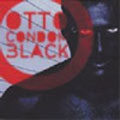
On first listen, Condom Black sounds like electronica closer to the acid jazz/chill-out tip than the harder, more techno-driven Samba Pra Burro. That's not to say it lacks energy or rhythm force since Otto and company are Brazilian. But a closer listen shows the second disc from the ex-percussionist for Chico Science doesn't fit the usual electronica mold of dance-floor groove mongers and/or DJ mixes: it's modern Brazilian music that draws on a lot of dance world sources.
There may be tons of credits for tapes, but these are well-constructed songs with a definite band feel, not just a bunch of random sounds slapped together over a groove. It's nicely varied -- "Anjos de Asfalto" is heavier on the drums and percussion, but "Armadura" counters that with a much lighter, loping feel and the shimmering Fender Rhodes sound that dominates "Londres" and "Basquiat." "Cuba" brings a touch of rap flavor in Otto's singing and the first of several appearances by trumpeter Valmir Gil, while "Por Que" is more of a ballad with groove and "Dias de Janeiro" brings a pretty classic MPB vocal feel, but with a far harder, bigger beat behind it.
"Pelo Engarrafamento" goes for a more straight-up hard rock feel and "Street Cannabis Street" does its rocking accompanied by serious blasts of keyboard noise. That's another key -- apart from the Rhodes, the keyboards on Condom Black are used for sound textures more than playing melody lines, per se, another savvy adaptation from the dance music world. "Retratista" continues in that vein -- Otto sings understated in that breathy Brazilian way and lets the sound textures and groove carry things. And
"Hemodialisis" brings aboard Nacao Zumbi and its original guitarist, the brilliant Lúcio Maia, for a stretched-out, less effective rock jam.
The overall sound is spare and the players display a keen awareness of staying out of each other's way. So Condom Black is an impressive feat, a song-oriented disc with a strong band feel, yet plenty of links to the dance world through propulsive percussion grooves and attention to sonic texture. It's light and spacy on top, edgy and punchy on the bottom -- it'd be nice if the U.S. picked up on the combination because it's a good one. ~ Don Snowden|
Rovi
オットはブラジル人だが立脚地は渋谷である。渋谷系ブラジリアンの元祖は僚友マックス・ヂ・カストロだった。マックスがパルコPART3に向かうとオットはPART2のエスカレーターを駈け登る。世代だけはそれくらい違った。そのマックスも参加する新作。どうやらオットには心の迷いがあるのでは?と勘ぐってしまいたくなる一枚である。国内の大向こうを唸らせた『Samba Pra Burro』での曲芸並みのアイデア、続くリミックス盤『Changez Tout』によって編集世代の指定席を掌握した彼だったが、ムンド・リヴリで培った演奏家気質をいっさい捨ててしまっていいものかと躊躇してそうなのがここでのオット。打ち込み半分、生演奏半分といった説明では物足りない不安定な構成が目立つ。傑作“Bob”のような飛び道具も欲しい。でもでも、ブラジル音楽の因習を打破するトラマ家が日本で評価されるまで追い続けるよ、オレは。
bounce (C)若杉 実
タワーレコード(2001年12月号掲載 (P82))