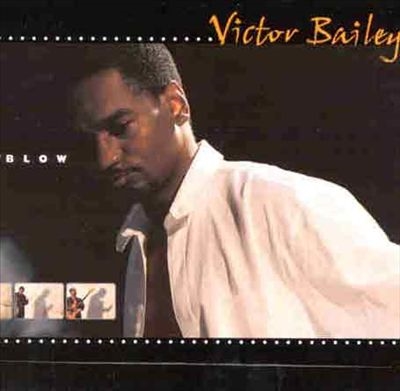
〈オンライン&マケプレ〉全品15%ポイント還元キャンペーン開催期間:2025年12月25日(木)0:00~12月26日(金)23:59まで![※期間中のご予約・お取り寄せ・ご注文が対象 ※店舗取置・店舗予約サービスは除く]
Jazz
CDアルバム

Lowblow

0.0

販売価格

¥
2,790
税込
ポイント15%還元

販売中

お取り寄せ
発送目安
14日~35日

お取り寄せの商品となります

入荷の見込みがないことが確認された場合や、ご注文後40日前後を経過しても入荷がない場合は、取り寄せ手配を終了し、この商品をキャンセルとさせていただきます。

フォーマット CDアルバム
発売日 2021年04月23日
国内/輸入 輸入
レーベルMade In Germany Music
構成数 1
パッケージ仕様 -
規格品番 ESC036612
SKU 718750366122

構成数 : 1枚
合計収録時間 : 00:49:59
Personnel includes: Victor Bailey (vocals, keyboards, bass, mutron bass); Kenny Garrett, Bill Evans (saxophone); Jim Beard (Wurlitzer & Fender Rhodes pianos, keyboards); Henry Hey (keyboards); Wayne Krantz (guitar); Omar Hakim, Dennis Chambers (drums). Recorded at The Carriage House Studios, Stamford, Connecticut in February and March 1999.
エディション : Reissue

  1. 1.[CDアルバム]
    1. 1.
      Lowblow

      アーティスト: Victor Bailey

    2. 2.
      Sweet Tooth

      アーティスト: Victor Bailey

    3. 3.
      City Living

      アーティスト: Victor Bailey

    4. 4.
      Do You Know Who/Continuum

      アーティスト: Victor Bailey

    5. 5.
      Knee Jerk Reaction

      アーティスト: Victor Bailey

    6. 6.
      She Left Me

      アーティスト: Victor Bailey

    7. 7.
      Graham Cracker

      アーティスト: Victor Bailey

    8. 8.
      Babytalk

      アーティスト: Victor Bailey

    9. 9.
      Feels Like A Hug

      アーティスト: Victor Bailey

    10. 10.
      Brain Teaser

      アーティスト: Victor Bailey

作品の情報

メイン
アーティスト: Victor Bailey

その他
エンジニア: Andy Katz
プロデューサー: Victor Bailey

商品の紹介

JazzTimes - "...With rock solid backbeats and hip time displacement...Bailey hooks up a formidable pocket on this fresh collection of funk-fusion....bound to tug at the heartstrings of electric bass players everywhere. Beautiful, personal, revealing testimony..."
Rovi

On his second solo album (following his first by nine years), bass player Victor Bailey is quick to acknowledge his heroes: "Graham Cracker," with its funky, plucked bass notes, is a tribute to Larry Graham, while "Continuum," a tune by Jaco Pastorius, Bailey's predecessor in Weather Report, is given a vocalese lyric written and sung by Bailey and turned into "Do You Know Who," which contains lines like "Boy when I first heard Jaco play/I've got to admit I was blown away." Beyond these overt homages, however, Bailey doesn't really betray much of their influence in his playing or original tunes. More often, as a player he recalls a third hero, Stanley Clarke, while his compositions and their jazz fusion arrangements usually sound like they could fit in easily on one of the albums he made with Weather Report. (The presence on four tracks of drummer Omar Hakim, his partner in the Weather Report rhythm section, doesn't hurt.) In his press biography, Bailey complains that he wasn't able to record solo for almost a decade because record companies either wanted "straight-ahead" or "smooth" jazz, and it wasn't until he ran into Zebra Records that he was allowed to "just play my bass and record the music I wanted to record." That music turns out to sound like the fusion style popular in the 1970s and '80s. ~ William Ruhlmann|
Rovi

On his second solo album (following his first by nine years), bass player Victor Bailey is quick to acknowledge his heroes: "Graham Cracker," with its funky, plucked bass notes, is a tribute to Larry Graham, while "Continuum," a tune by Jaco Pastorius, Bailey's predecessor in Weather Report, is given a vocalese lyric written and sung by Bailey and turned into "Do You Know Who," which contains lines like "Boy when I first heard Jaco play/I've got to admit I was blown away." Beyond these overt homages, however, Bailey doesn't really betray much of their influence in his playing or original tunes. More often, as a player he recalls a third hero, Stanley Clarke, while his compositions and their jazz fusion arrangements usually sound like they could fit in easily on one of the albums he made with Weather Report. (The presence on four tracks of drummer Omar Hakim, his partner in the Weather Report rhythm section, doesn't hurt.) In his press biography, Bailey complains that he wasn't able to record solo for almost a decade because record companies either wanted "straight-ahead" or "smooth" jazz, and it wasn't until he ran into Zebra Records that he was allowed to "just play my bass and record the music I wanted to record." That music turns out to sound like the fusion style popular in the 1970s and '80s. ~ William Ruhlmann
Rovi

メンバーズレビュー

レビューを書いてみませんか?

読み込み中にエラーが発生しました。

画面をリロードして、再読み込みしてください。