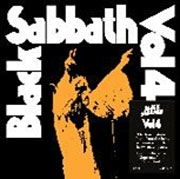
シーンを牽引するバンドの苦悩と成長を証明し、格の違いを見せつけたのがこの4枚目のスタジオ・アルバム!大胆で実験的なアプローチで新たな音の領域に突入した作品としても位置づけられている。
オリジナル・リリース:1972年9月、Vertigo Recordsよりリリース
"Volume 4"
72年にリリースされることになる4枚目のアルバム制作にと取り掛かる頃までに、タイトルは便宜上"Volume 4"と付けられていた。バンドは勢いがあり、ファン・ベースは継続的なツアーとアルバム・リリースで拡大していた。しかし、メンバーにとって終わりの無いロック・サイクル(アルバム/ツアーの永続性)にはやりがいを見出すことは出来なくなっていた。彼らは自分たちが創造してきたものパラメーターを広げるために自己の能力を更に高めたがっていた。だからバンドは新しいアルバムの為に信念を持って未知の領域へ臨む決意をしていた。
バンドは音楽的に自身を居心地の良い場所へ瞬時へ戻す準備は整っておらず、ただ予想されることを行っただけだった。彼らはその時まで彼らの音楽を取り巻く暗闇と悲観的な状況を一掃したかったのだ。ここにはシーンを単に追随するバンドではなく牽引するバンド、Black Sabbathが自身の未開の領域を開拓する機会があったのだ。
そして、ソングライターとミュージシャンとして成熟し、発展する方法を明らかにした"Volume 4"には気品があり、Black Sabbathは成功したのだ。アルバムは1972年9月にリリースされた時、Black Sabbathはレコーディングに関して勝ち得た制御権を行使し、何が今実現可能なのか証明することをあたかも決意したかのようであり、作品は3次元的なアルバムに仕上がっていた。
パッケージ:見開きのデジ・スリーヴ
発売・販売元 提供資料(2025/03/18)
Vol. 4 is the point in Black Sabbaths career where the bands legendary drug consumption really starts to make itself felt. And it isnt just in the lyrics, most of which are about the blurry line between reality and illusion. Vol. 4 has all the messiness of a heavy metal Exile on Main St., and if it lacks that albums overall diversity, it does find Sabbath at their most musically varied, pushing to experiment amidst the drug-addled murk. As a result, there are some puzzling choices made here (not least of which is the inclusion of FX), and the album often contradicts itself. Ozzy Osbournes wail is becoming more powerful here, taking greater independence from Tony Iommis guitar riffs, yet his vocals are processed into a nearly textural element on much of side two. Parts of Vol. 4 are as ultra-heavy as Master of Reality, yet the band also takes its most blatant shots at accessibility to date -- and then undercuts that very intent. The effectively concise Tomorrows Dream has a chorus that could almost be called radio-ready, were it not for the fact that it only appears once in the entire song. St. Vitus Dance is surprisingly upbeat, yet the distant-sounding vocals dont really register. The notorious piano-and-Mellotron ballad Changes ultimately fails not because of its change-of-pace mood, but more for a raft of the most horrendously cliched rhymes this side of moon-June. Even the crushing Supernaut -- perhaps the heaviest single track in the Sabbath catalog -- sticks a funky, almost danceable acoustic breakdown smack in the middle. Besides Supernaut, the core of Vol. 4 lies in the midtempo cocaine ode Snowblind, which was originally slated to be the albums title track until the record company got cold feet, and the multi-sectioned prog-leaning opener, Wheels of Confusion. The latter is one of Iommis most complex and impressive compositions, varying not only riffs but textures throughout its eight minutes. Many doom and stoner metal aficionados prize the second side of the album, where Osbournes vocals gradually fade further and further away into the murk, and Iommis guitar assumes center stage. The underrated Cornucopia strikes a better balance of those elements, but by the time Under the Sun closes the album, the lyrics are mostly lost under a mountain of memorable, contrasting riffery. Add all of this up, and Vol. 4 is a less cohesive effort than its two immediate predecessors, but is all the more fascinating for it. Die-hard fans sick of the standards come here next, and some end up counting this as their favorite Sabbath record for its eccentricities and for its embodiment of the bands excesses. ~ Steve Huey
Rovi