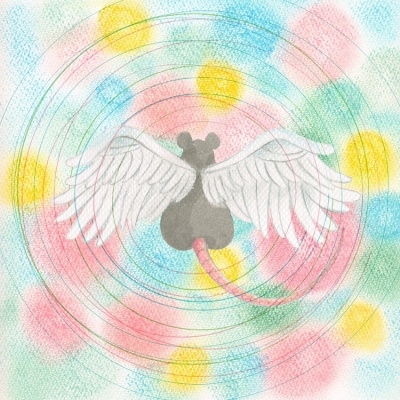
日本人の母を持つブルックリンをベースとするシンガーソングライター/ギタリスト、メイ・シモネス。話題を呼んだ前EPから1年、待望のデビュー・アルバム『アニマル』がリリース。
ブルックリンを拠点に活動する24歳のシンガー・ソングライターで卓越したギタリスト、Mei Semonesは、Bayonet Recordsから初のフル・アルバム『Animaru』をリリースする。2024年はMeiとって変革の年だった。2024年にEP『Kabutomushi』をリリースして以来、SemonesはRolling Stoneの「Artist You Need to Know」で取り上げられ、Pasteの「Best of What's Next」にも選ばれた。また、全米で大規模なツアーを行い、熱心なファンを育て、最終的に『Animaru』に収録される曲を書きあげた。New York Timesが「エレガントで、柔軟で、狡猾な曲」と評した『Kabutomushi』に収録の楽曲に続く『Animaru』(「animal」の日本語での発音)の曲は、Meiの直感に対するより深い信頼の具現化である。このアルバムは、音楽的に印象的な楽曲のコレクションで、Meiはこれまで以上に冒険的で、傷つきやすく、自信に満ちたサウンドを聴かせてくれる。「後先考えず、また考えすぎないこと。私が望む生き方は、自分にとって大切なことをすること。そして、誰もがそう生きるべきだと思う」とSemonesは自己肯定感の強まりを語る。Meiと彼女の5人編成のバンドは、2024年の夏、友人のCharles Dahlkeが経営するコネチカット州の農場にあるスタジオ、Ashlawn Recording Companyでこのアルバムをレコーディングした。セッションに彼女が持ち込んだ楽曲は、『Kabutomushi』とは異なり、人生への愛、家族への愛、音楽への愛、そしてギターへの愛といった、洗練された非ロマンチックな愛を宣言する。『Animaru』は、ソングライター、ミュージシャンとしてのMeiの魅惑的な幅の広さを立証するものであり、Meiがこれまでに書いた曲の中でも最も挑戦的で最もストレートな曲も含まれている。
「Mei Semonesはちょっとした驚きの達人だ」‐Paste
「インディー・ロックとメロディック・ポップに踏み込んだ『Kabutomushi』は、これまでで最もエキサイティングで完成度の高い作品だ」‐Rolling Stone
発売・販売元 提供資料(2025/02/26)
Around the time she was finishing up a degree in jazz guitar from the Berklee College of Music, Mei Semones put together a band made up of classmates and recorded her first EP, Tsukino (2022). It introduced her sophisticated, strings-enhanced take on affectionate indie pop. By the time she made her Bayonet Records debut with her second EP, Kabutomushi, in 2024, she had a regular, collaborative backing band made up of a violist (constant member and strings arranger Noah Leong), violinist, bassist, and drummer, and had strengthened her beguiling sound -- specifically, an indie pop injected with an effortless blend of breezy bossa nova, intricate jazz, and mathy indie rock. Another idiosyncrasy of her music is lyrics that go back and forth between English and Japanese within a song (Semones grew up in Ann Arbor, Michigan, speaking Japanese with her mother). Arriving less than a year after Kabutomushi, her full-length debut, Animaru ("Animal"), sees Semones again rachet up the complexity of her singular sound and her songcraft. It begins with "Dumb Feeling," an uptempo, indie-inflected bossa tune with the albums first surprise scat break. While a few of the songs here are somewhat confrontational, this one isnt, embracing that weird feeling ("Theres something I like about it"). Later, "Tora Moyo" ("Tiger") is a love song to music and her guitar. It sounds like a possible movie theme from the 60s -- at least until the noodly guitar solo -- as she sweetly sings with a wispy voice made for twee, "My hands are yours/No other use for them/If this isnt love." That song is the perfect setup for the stunning "I Can Do What I Want," a virtuosic showstopper that may have invented the style kawaii prog. There, she establishes a casual confidence thats part of the albums charm, balancing out its more pining moments. Another example of this interplay is the regretful "Rat with Wings," which admits, "Sometimes I miss you still/Even though you were a rat," before firmly declaring, amid orchestral hard rock riffs, that shell never want them back. Elsewhere, "Zarigani" ("Crayfish") is a tribute to non-romantic love, namely hers for her twin sister, and "Donguri" ("Acorns") offers a bit of a breather with a stripped-back arrangement of guitar and upright bass underscoring Semones fantasy of life as a woodland creature. Throughout Animaru, Semones and her band play with dynamics, dramatic pauses, chord voicings, harmonics, and a steady stream of surprises -- the closer is a waltz -- resulting in a memorable debut thats much more likely to delight than challenge. ~ Marcy Donelson
Rovi