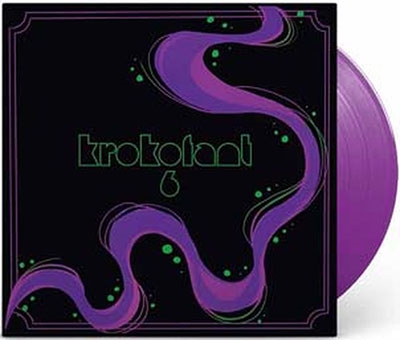
Since releasing their 2014 eponymous debut for Rune Grammofon, Norways Krokofant have delivered a sound at once their own that reflects the influence of several other bands. The original trio -- drummer Axel Skalstad, guitarist Tom Hasslan, saxophonist Jorgen Mathisen -- have always married the myriad complexities of jazz harmony and rhythm with knotty, progressive rock, psychedelia, and avant-funk. They issued three numbered albums before expanding their lineup for 2019s Q and 2021s Fifth with keyboardist Stale Storlokken and bassist Ingebrigt Haker Flaten. Following the latter albums tour, the original band returned to the trio format and left Rune Grammofon for Is It Jazz? 6 is their label debut. Despite their musical sophistication, Krokofant continually draw on heady influences ranging from Soft Machine (the John Etheridge eras), early King Crimson, Frank Zappa, and National Health, as well as 70s riff-laden electric jazz-rock. They combine their influences with a 21st century improvisational acumen.
Opener "Harry Davidson" commences with a complex vamp fury that recalls the instrumental break in "21st Century Schizoid Man" before incorporating it into syncopated riffs on guitar and saxophone. Hasslan operates many sounds from his axe including a filthy electric bass that adds an aggressive edge. Hasslans solos bite and tear, recalling guitarists Ray Russell and Jimi Hendrix, within a distinctive psych-jazz-blues frame. The intro to "Triple Dad" is nearly processional before the frontline players join and play a circular vamp that allows Skalstad -- easily the busiest man on this album -- to move, accent, fill, and drive the ever-changing composition. "Oh My Cod"s intro is also quite Crimsoid, though the drummer adds funky syncopation and breaks while guitar and saxophone combine prog and post-bop. In "Country Doom," the sets best cut, saxophone and guitar textures drive intersecting melodies that channel blues, prog, and jazz-funk with blazing guitar from Hasslan. As the jam develops, the trio layer individual sounds to expand the tunes central theme, with solo interventions from Mathisens sax and guitar, before bringing back the original theme to close the song. "The Ballade" weds 70s electric jazz to a languid post-bop swing. Its given textural dimension by saxophone and ambient sounds that suggest controlled guitar distortion. Skalstad dialogues with his bandmates and the blurry sounds with innovative, subtle polyrhythms. In its final section, sax and guitar create a second theme that Skalstad holds down even as he improvises. The closing track, "Pretentious Woman," engages avant-rock rhythms, skittering proggy backbeats, a circular metallic guitar riff, and constant harmonic shards from the sax-driven melody, all before entering an improvisational labyrinth where cadences entwine and evolve. Krokofant has yet to release a middling album; 6 is no exception. They have revived the trio format with adventure, ambition, and a musical playfulness theyve not displayed before. ~ Thom Jurek
Rovi