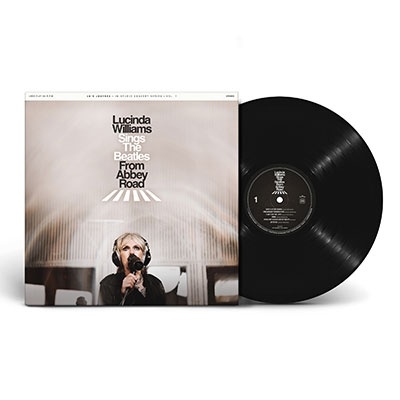
Lucinda Williams began her series of "Lus Jukebox" albums, themed collections where she covered the work of a particular artist or songwriter, as a way of keeping busy during the COVID-19 pandemic and to help benefit venues that were shuttered during lockdown. Three and a half years after she kicked off the project with 2021s Lus Jukebox, Vol. 1: Runnin Down a Dream – A Tribute to Tom Petty, its clear she enjoys interpreting the work of others, which seems a bit curious coming from an acclaimed and accomplished songwriter, though it also allows her to demonstrate what she learned from her favorite musicians. Williams was 11 years old when the Beatles made their game-changing American debut in 1964, which means she, like millions of others, grew up with their music, and while her work, steeped in blues, country, and folk, wouldnt seem to have a lot to do with the Fab Four, the craft of their songwriting and their robust appetite for sonic experimentation doubtless registered with her as it has with several generations of music fans. For her seventh Lus Jukebox LP, Williams and her band spent three days at Londons Abbey Road Studios, where the Beatles recorded the sizable majority of their catalog, and the title Lucinda Williams Sings the Beatles from Abbey Road concisely tells you what youre getting. For the most part, Williams focuses on album cuts rather than pop hits, though "Cant Buy Me Love" and "Something" are here, and she aims for the rougher and more idiosyncratic side of the Beatles catalog, putting a healthy portion of soulful grit into "Dont Let Me Down" and "Ive Got a Feeling," letting her Southern spirit inform the psychedelia of "Rain," and replacing the bitterness of "Im Looking Through You" with a palpable sadness. Williams and her band -- which includes former Black Crowes guitarist Marc Ford, as well as Doug Pettibone on guitar, David Sutton on bass, Richard Causon on keyboards, and Butch Norton on drums -- dont attempt to reinvent these songs, instead filtering the melodies through their own musical worldview. On most tracks they hit an effective compromise between their own enlightened roadhouse swagger and the inventive melodic structures nearly all of us know by heart. Williams underplays her vocals on many of these songs, which usually works in their favor, letting the subtleties do the talking rather than over-emoting. While "The Long and Winding Road" and "Let It Be" dont quite click, with their sentimentality going against the grain of Williams plain-spoken style, this album is a welcome testimony from a fan, reminding us how the Beatles spoke to so many people in so many ways, including one of roots musics most vital tunesmiths. ~ Mark Deming
Rovi