オンラインキャンペーン価格クラシック スペシャルプライス15%オフ
クラシック
CDアルバム

販売価格

¥
3,190
税込

¥ 479 (15%)オフ

¥
2,711
税込
還元ポイント

販売中

在庫あり
発送目安
当日~翌日

在庫状況 について

・各種前払い決済は、お支払い確認後の発送となります(Q&A)

フォーマット CDアルバム
発売日 2024年10月31日
国内/輸入 輸入
レーベルAlpha
構成数 1
パッケージ仕様 -
規格品番 ALPHA698
SKU 4589538816315

構成数 : 1枚
合計収録時間 : 01:24:39

【曲目】
フランツ・ヨーゼフ・ハイドン(1732-1809):
1-4. 交響曲 第98番 変ロ長調 Hob. I:98
5-8. 交響曲 第94番 ト長調 Hob. I:94「驚愕」
9-12. 交響曲 第90番 ハ長調 Hob. I:90
ジョアキーノ・ロッシーニ(1792-1868)
13. 歌劇《絹のきざはし》序曲

【演奏】
イル・ジャルディーノ・アルモニコ
バーゼル室内管弦楽団 (古楽器使用)
ステファノ・バルネスキ(コンサートマスター)
アンドレア・ブッカレッラ(チェンバロ)…4
ジョヴァンニ・アントニーニ(指揮)

【録音】
2021年10月11-15日 ドン・ボスコ、バーゼル、スイス
収録時間: 84分

  1. 1.[CDアルバム]
    1. 1.
      Symphony No. 98 in B flat major, Hob. I:98~I. Adagio - Allegro
    2. 2.
      Symphony No. 98 in B flat major, Hob. I:98~II. Adagio
    3. 3.
      Symphony No. 98 in B flat major, Hob. I:98~III. Minuet. Allegro - Trio
    4. 4.
      Symphony No. 98 in B flat major, Hob. I:98~IV. Finale. Presto
    5. 5.
      Symphony No. 94 in G major, Hob. I:94 "Surprise"~I. Adagio - Vivace assai
    6. 6.
      Symphony No. 94 in G major, Hob. I:94 "Surprise"~II. Andante
    7. 7.
      Symphony No. 94 in G major, Hob. I:94 "Surprise"~III. Minuet - Trio
    8. 8.
      Symphony No. 94 in G major, Hob. I:94 "Surprise"~IV. Finale. Presto
    9. 9.
      Symphony No. 90 in C major, Hob. I:90~I. Adagio - Allegro assai
    10. 10.
      Symphony No. 90 in C major, Hob. I:90~II. Andante
    11. 11.
      Symphony No. 90 in C major, Hob. I:90~III. Minuet - Trio
    12. 12.
      Symphony No. 90 in C major, Hob. I:90~IV. Finale. Allegro assai
    13. 13.
      La Scala di Seta: Sinfonia

作品の情報

商品の紹介

【驚きの登場!当シリーズ初の『ロンドン交響曲』と、ロッシーニ!】
「交響曲の父」ことハイドンの生誕300周年となる2032年までに、現存する彼の交響曲全107曲を全て、最新の知見をふまえた古楽器演奏で演奏・録音する「ハイドン2032」シリーズ。2014年からALPHAレーベルで進行中の録音プロジェクトも今や中盤ですが、初期と中期の知られざる充実作群の面白さを重点的に紹介してきた過去15作の後に登場する今回のリリースは「驚き」の副題通り、後期の最も有名な大編成作品群(通称『ロンドン交響曲』)を収録した1枚となりました。副題の出自である第94番「驚愕」(緩徐楽章が静かに始まって間もなく、不意に総奏のフォルティシモが鳴り響く有名作)はもちろん、他の2曲も終楽章終盤まで気が抜けない思いがけぬ展開が潜んでおり、18世紀の演奏様式をふまえダイナミックかつ濃密な解釈を聴かせるアントニーニがここまで披露してきた若きハイドンの機知が、これら後期作でも同様に脈々と生きていたことを深く実感できる名演を存分に愉しめます。今回はプロジェクトを共同で担ってきた2楽団の合同で(弦楽編成は8/8/5/5/3)コンサートマスターのバルネスキ他、ソリストとして活躍する古楽器奏者も多数参加。ブルージュの古楽コンクール優勝者のブッカレッラが、通奏低音ではなく第98番第4楽章のごく一部で聴かれるソロのみに参加するという贅沢さ。アルバム末尾にロッシーニ初期作の序曲があるのもまた驚きですが、音楽学者モーリッツ=バウアーの解説(独・英・仏語)を踏まえてこの流れの古楽器演奏で聴くことによって、イタリア歌劇の巨匠がいかにハイドンに多くを負っていたかも実感できることでしょう。
ナクソス・ジャパン
発売・販売元 提供資料(2024/09/18)

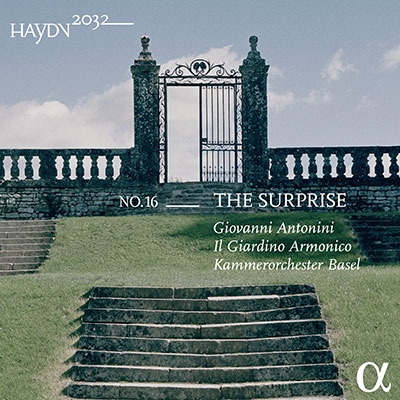
The Haydn 2032 cycle of conductor Giovanni Antonini rolls on with this 2024 release, which reached classical best-seller lists in the late autumn of that year. With this album, Antonini reaches the final groups of Haydns symphonies, for which listeners have many other choices even if the consistently clever Symphony No. 90 in C major, Hob. 1/90, is a somewhat neglected item. Throughout his cycle, Antonini has sought to match his forces to what would have been heard in Haydns day, and here that means combining the two groups with which he has recorded the cycle, the Kammerorchester Basel and Il Giardino Armonico: the larger ensemble would have helped make the late Haydn symphonies big public spectacles -- rock concerts, to borrow a phrase from the Hungarian conductor Adam Fischer. Each Antonini Haydn release also contains a work by a different composer that is relevant to the pieces involved, and here, its an especially interesting one: the opening Sinfonia of Rossinis one-act opera La scala di seta (1812). One doesnt tend to connect the young Rossini with Haydn, but of course, he would have known Haydns symphonies well, and so would his audiences. The Rossini Sinfonia has a big, slow introduction in common with all three of the Haydn symphonies on the album. Also a nice touch is the retention of the little harpsichord cadenza at the end of the Symphony No. 98 in B flat major, H. 1/98. So this is all to the good. The only issue here is the extremely tamped-down quality of the music. There is nothing wrong with a restrained approach to Haydn, and such approaches are justified considering that the late symphonies, broadly speaking, were probably a bit overdone during the era of traditional modern-orchestra Haydn. But here things are taken to an extreme. The chord that gives the "Surprise" Symphony No. 94 in G major, Hob. 1/94) its name, marked fortissimo, is here mezzo-forte at best, and its hard to imagine Haydns London audience even stirring in their seats or taking off their monocles. So it goes throughout, with a minimal dynamic range, plain, moderate tempos (except in the minuets, where this doesnt really work), and only sparsely shaped melodies. Utterly mysterious album graphics dont help. Its early music Haydn of the old-school, and there are plenty of listeners who will like Haydn this way. ~ James Manheim
Rovi

The Haydn 2032 cycle of conductor Giovanni Antonini rolls on with this 2024 release, which reached classical best-seller lists in the late autumn of the year. With this album, Antonini reaches the final groups of Haydns symphonies, for which listeners have many other choices even if the consistently clever Symphony No. 90 in C major, Hob. 1/90, is a somewhat neglected item. Throughout his cycle, Antonini has sought to match his forces to what would have been heard in Haydns day, and here that means combining the two groups with which he has recorded the cycle: the Kammerorchester Basel and Il Giardino Armonico, for the larger ensemble that would have helped make the late Haydn symphonies big public spectacles -- rock concerts, to borrow a phrase from the Hungarian conductor Adam Fischer. Each of Antoninis Haydn releases also contains a work by a different composer that is relevant to the pieces involved, and here its an especially interesting one: the opening of Gioachino Rossinis one-act opera La scala di seta (1812). One doesnt tend to connect the young Rossini with Haydn, but of course he would have known Haydns symphonies well, and so would his audiences. The Rossini Sinfonia has a big, slow introduction in common with all three of the Haydn symphonies on the album. Also a nice touch is the retention of the little harpsichord cadenza at the end of the Symphony No. 98 in B flat major, H. 1/98. So this is all to the good. The only issue here is the extremely tamped-down quality of the music. There is nothing wrong with a restrained approach to Haydn, and such approaches are justified considering that the late symphonies, broadly speaking, were probably overdone a bit during the era of traditional modern-orchestra Haydn. But here things are taken to an extreme. The chord that gives the "Surprise" Symphony (the Symphony No. 94 in G major, Hob. 1/94) its name, marked fortissimo, is here mezzo-forte at best, and its hard to imagine Haydns London audience even stirring in their seats or taking off their monocles. So it goes throughout, with a minimal dynamic range, plain, moderate tempos (except in the minuets, where this doesnt really work), and only sparsely shaped melodies. Utterly mysterious album graphics dont help. Its early music Haydn of the old school, and there are listeners who will like Haydn this way. ~ James Manheim
Rovi

メンバーズレビュー

レビューを書いてみませんか?

読み込み中にエラーが発生しました。

画面をリロードして、再読み込みしてください。