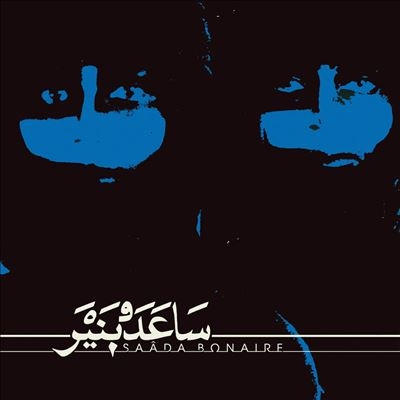
ドイツ、ブレーメンで1982年に結成された幻のディスコ/ワールド・ミュージック・プロジェクトSAADA BONAIREの貴重すぎるコンパイル盤『SAADA BONAIRE』がCAPTURED TRACKSから待望の再発!2人の女性ヴォーカリストに、地元の移民センターから集められた数十人のミュージシャンを中心としたユニークなコンセプト・バンドであったSAADA BONAIREが残した実験精神に満ち溢れたユニークなその音は今日に至るまで時代の最先端を走り続けています。
オリジナル・シングル2曲に加え、未発表曲で構成された本作は、東洋の音楽、アフリカの音楽、ダブ、打ち込み、シンセサイザーを始めとした様々な音がモノクロームに絡み合い、聴く者を自然と躍らせてくれること間違い無し。
発売・販売元 提供資料(2024/09/11)
Captured Tracks' reissue series moved away from shoegaze (re)discoveries and into more rarefied territory with this retrospective of Saada Bonaire, a German group that only released one single before EMI pulled its financial and promotional support. But what a single it was: "You Could Be More as You Are" and its B-side, "Invitation," were tantalizing calling cards for the group's unique mix of aloof female vocals and moody disco augmented with dub, African, and Middle Eastern elements (Ralph "von" Richtoven, the DJ who conceived Saada Bonaire, was a friend to many Turkish musicians who had immigrated to Bremen). Produced by dub wizard Dennis Bovell at Kraftwerk's studio, the single seemed so, well, singular that it seemed as if there couldn't be more music like it, but this collection shows that the project's unreleased material was just as strong as the songs that saw the light of day. Recorded between 1982 and 1985, the tension between the era's typical sounds -- glassy keyboards, stiff drum patterns, and slinky, busy basslines -- and oud, saz, and hand drums gives these songs a still-potent mystique. This clash between timely and timeless plays out in fascinating ways: "I Am So Curious" elongates an oud melody to sound like a blaring saxophone before returning to a more traditional burst of intricate notes, while "Heart Over Head" is surprisingly playful, suggesting the naughty pop Goldfrapp perfected several decades later. As intriguing as Saada Bonaire's combinations of old and new were, the moods they created were even more striking. Stephanie Lange and Claudia Hossfeld's world-weary performances are magnetic in their simplicity, adding to the project's overall feeling of otherness. They're glamorous but isolated observers, sometimes seeking contact ("More Women") but more often than not shunning it (even looking in the bathroom mirror is too much for them on "The Facts"). While latter-day groups like Chromatics touched on this kind of dreamy, melancholy dance music, their scope isn't as broad as what Saada Bonaire attempted. Even during their own time, their approach was more unusual than most of the world/pop music fusions that followed later in the '80s. The quality of Saada Bonaire's music and its packaging (which includes enlightening interviews with "von" Richtoven, Lange, and Bovell) makes it a truly exciting reissue. ~ Heather Phares
Rovi