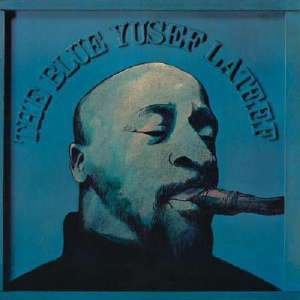
Though there is some confusion about what happened to the 32 Jazz label, producer Joel Dorns other project, his label M, is following closely in its footsteps; unique packaging and a wealth of fine material licensed from Dorns years as a jazz producer at Atlantic Records seems its sole M.O. On The Blue Yusef Lateef, listeners get a fascinating chapter from the late 60s, an amazing period when everything in the world of jazz was changing. Lateef was big on concept recordings. He and Dorn did no less than ten during their tenure together at Atlantic. This one examines, in a painterly way, all the different ranges of emotion contained within the blues genre. With a band that included Detroit jazz gods Roy Brooks on drums and Kenny Burrell on guitar, Blue Mitchell on trumpet, Hugh Lawson on piano, Sonny Red on alto, Bob Cranshaw on electric bass, and a very young Cecil McBee on acoustic bass, you get the idea that Lateef was after something different. Lateef performs on not only his tenor and flute but on bamboo and pneumatic flutes, tamboura, koto, and others; he was exploring the outer reaches of the blues as they might appear and appeal to Eastern as well as Western cultures. From the opening moments in "Juba Juba," everything comes in one package -- the slow, snaky groove only the blues can provide, with the Eastern scale modalities and polyphony attached via Lateefs flute and Brooks percussion. But before becoming too ethereal, Mitchell chimes in with a barrelhouse muted trumpet, and Buddy Lucas wails a shuffle on harmonica. There are also gospel choral vocals by the Sweet Inspirations humming in the background -- reminiscent of the Staples at their spookiest. Next up is the even more Eastern-tinged "Like It Is," sounding like it was left off "Blues from the Orient." Lawsons minor-key explorations and Brooks spontaneous actions with a variety of percussion instruments usher in a groove that only Lateef could create. It is very slow, harmonically complex, and lush in a manner that suggests exotica sans the corniness of Les Baxter. The tune quietly roars with a melodic polytonality courtesy of Lateefs tenor, joined by Lawsons striking mode changes in his solo. Then comes the barrelhouse romp of "Othelia," the Japanese psychedelia of "Moon Cup," and the samba-fied bluesiana of "Back Home," citing Afro-Cuban pop Machito arrangements inside a Brazilian carnival-chant created of vocal overtones and greasy rhythms. You get the picture. The Blue Yusef Lateef is one wild album. In sound, it is the very best the 1960s had to offer in terms of experimentation and accessibility. This is blues you can dance to, but also meditate to and marvel at -- a pearl worthy of the price. ~ Thom Jurek
Rovi