Rock/Pop
CDアルバム

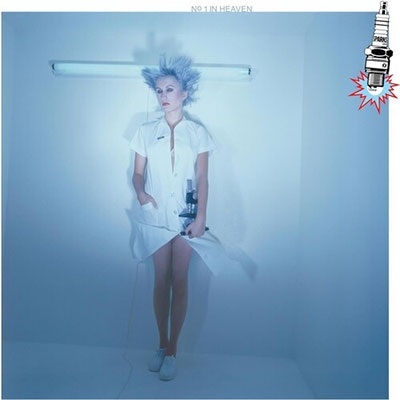
No. 1 in Heaven

4.0

販売価格

¥
3,190
税込
還元ポイント

販売中

お取り寄せ
発送目安
14日~35日

お取り寄せの商品となります

入荷の見込みがないことが確認された場合や、ご注文後40日前後を経過しても入荷がない場合は、取り寄せ手配を終了し、この商品をキャンセルとさせていただきます。

フォーマット CDアルバム
発売日 2024年06月28日
国内/輸入 輸入
レーベルLil' Beethoven
構成数 1
パッケージ仕様 -
規格品番 LBRCD120
SKU 5037300069272

構成数 : 1枚

  1. 1.[CDアルバム]

作品の情報

メイン
アーティスト: Sparks

オリジナル発売日:1979年

商品の紹介

By the late '70s, brothers Ron and Russell Mael were at an impasse. Their outlandish and theatrical glam rock band Sparks had achieved notable success earlier in the decade when they moved from Los Angeles to England and released a string of oversexed, over-produced, over-the-top albums that would be some of their best-received work, starting with 1974's stellar (and ridiculous) Kimono My House. Things quickly cooled off after a couple years, however, as the brothers returned to their native Los Angeles, reconfigured their backing band, and put out one disappointing record after another. With poor record sales, a dwindling fan base and their fate in the balance, they made a bold about face. Disco was in full swing, and Italian producer Giorgio Moroder was one of the principle voices of the genre, visible for both hits under his own name and his iconic production on Donna Summer's 1977 number one hit "I Feel Love." In 1978, Sparks and Moroder began work on what would become No. 1 in Heaven, abandoning rock and guitars for synthesizers, sequencers, and disco beats. The experiment was a commercial success. Of the album's six tracks, four were released as singles and three spent time on the charts, guided by Moroder's trademark spaced-out synths, pushy disco rhythms, and chunky bass lines. Gratefully, neither Sparks nor Moroder toned down their outside-the-box musical personas to achieve this success, and the weird, theatrical tension of the Mael brothers' songwriting is fully intact. Songs like "Tryouts for the Human Race" and "Beat the Clock" are every bit as idiosyncratic as earlier Sparks tunes, only with trippy disco synths filling in for operatic glam rock elements. The album ends with "The Number One Song in Heaven," a stage-setter for the moody atmospheres and lonely dance floor scenes that would come to be synth pop at large over the next two decades. Indeed, Pet Shop Boys, Depeche Mode, Duran Duran, and others would go on to cite the album as a formative influence. Even Joy Division, in all their darkness, were quick to point out that during the recording of "Love Will Tear Us Apart," this album was one of the only things they were listening to. The strange, campy, and surreal aspects of Sparks all gel with the party-chasing interstellar energy of Moroder's production touches, creating a timeless sound from unexpected bedfellows and sending out ripples that may have grown bigger than the initial splash could have predicted. ~ Fred Thomas
Rovi

メンバーズレビュー

1件のレビューがあります
4.0
0%
100%
0%
0%
0%

読み込み中にエラーが発生しました。

画面をリロードして、再読み込みしてください。