


 音楽ジャンル TOP
 本/雑誌/コミック TOP
特集
詳細検索
いずれかのカテゴリを選択すると、より細かい検索が可能です。
カテゴリ
ジャンル
キーワード
アーティスト名
アイテム名(商品名)
トラック名(曲名)
レーベル
規格品番
 規格品番とは、日本レコード協会が定めた規格に基づき、CD・DVDなどの市販されているメディアに対して付けられたコードのこと。英数字4文字(記号)と数値1~5桁(シリアル番号)の組み合わせを用いる。
SKU
商品識別コード。13桁、または8桁の数字のみで構成される。
ジャンル
キーワード
アーティスト名
アイテム名(商品名)
トラック名(曲名)
レーベル
規格品番
規格品番とは、日本レコード協会が定めた規格に基づき、CD・DVDなどの市販されているメディアに対して付けられたコードのこと。英数字4文字(記号)と数値1~5桁(シリアル番号)の組み合わせを用いる。
SKU
商品識別コード。13桁、または8桁の数字のみで構成される。ジャンル
キーワード
アイテム名(商品名)
トラック名(曲名)
レーベル
規格品番
規格品番とは、日本レコード協会が定めた規格に基づき、CD・DVDなどの市販されているメディアに対して付けられたコードのこと。英数字4文字(記号)と数値1~5桁(シリアル番号)の組み合わせを用いる。
SKU
商品識別コード。13桁、または8桁の数字のみで構成される。ジャンル
キーワード
タイトル(商品名)
著者
出版社
SKU
商品識別コード。13桁、または8桁の数字のみで構成される。発売日


国内輸入区分
その他
ジャンル
キーワード
タイトル(商品名)
監督、監督脚本
主演、出演、声の出演
規格品番
規格品番とは、日本レコード協会が定めた規格に基づき、CD・DVDなどの市販されているメディアに対して付けられたコードのこと。英数字4文字(記号)と数値1~5桁(シリアル番号)の組み合わせを用いる。
SKU
商品識別コード。13桁、または8桁の数字のみで構成される。ジャンル
キーワード
アーティスト名
アイテム名(商品名)
トラック名(曲名)
レーベル
規格品番
規格品番とは、日本レコード協会が定めた規格に基づき、CD・DVDなどの市販されているメディアに対して付けられたコードのこと。英数字4文字(記号)と数値1~5桁(シリアル番号)の組み合わせを用いる。
SKU
商品識別コード。13桁、または8桁の数字のみで構成される。ジャンル
キーワード
タイトル
本文
コンテンツタイプ
掲載日
タグ
結果表示順
表示件数
 DVD/ブルーレイ TOP
 グッズ TOP


 購入上の注意





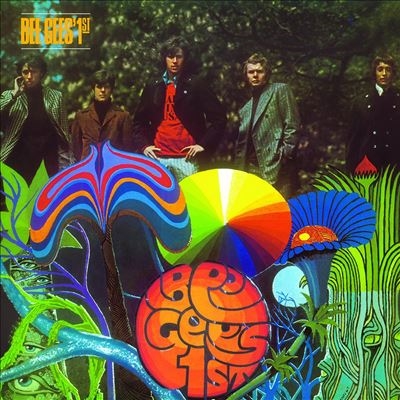
日本では英米より半年後の1968年1月に、ちょうどシングル「マサチューセッツ/ホリデイ」がヒットしだした頃に発売された。今は亡き従兄の家でそのシングルを聴いて、「音楽って美しいんだ」と気が付いた。12歳だった。シンプルだけど美しいメロディ、ロビンのあのヴォーカルにすっかり魅せられた。その後、グループ・サウンズがこぞってビー・ジーズのカバーをしていた。この日本で、彼らが一番人気があった時期ではないだろうか?
自分でレコードを購入してステレオ装置で音楽を聴くのは、その2年後で、初めて買った彼らのLPは編集盤『ゴールデン・ダブル・アルバム』。シングルになった3曲と「誰も見えない」「ターン・オブ・ザ・センチュリー」「瞳を閉じて」はここで聴いた。6曲すべて気に入った。
オリジナルLPを買うようになったのはその後で、『ビー・ジーズ・ファースト』を購入して全曲聴いたのは1972年の秋ごろだ。すでに『To Whom It May Concern』を聴いた後だったので、正直その時点での印象はイマイチだった。初めて聴いてよかったのは、「イン・マイ・オウン・タイム」と「プリーズ・リード・ミー」くらい。このアルバムを名盤にあげる人が少なくないことが分かったのはずっと後だ。
新しくなった解説には、彼らのダイハード・ファンを自認する私でも、知らないことがかなり記載されている。曲にまつわることで驚いたのは、「誰も見えない」と「プリーズ・リード・ミー」だ。内容はご自身で確認してください(笑)。