常に時代の先端を走り続け、時代を開拓し続けた伝説、デヴィッド・ボウイ。
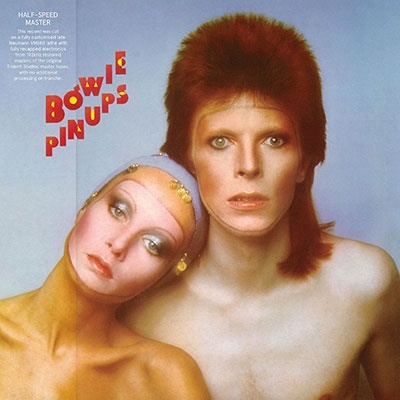
肥大化したジギー・スターダストのイメージから脱却し、自らのルーツを紐解くかのように60年代ブリティッシュ・ビートの楽曲をカバーした、ボウイにとってある意味"リセット"的な意味合いを持つ1973年発表のカバー・アルバム『PINUPS』。このアルバムの発売50周年を記念して、AIRスタジオでジョン・ウェバーがカッティングを施した、限定ハーフ・スピード・マスター・アナログ盤限定が登場!
常に時代の先端を開拓し続けた伝説、デヴィッド・ボウイ。70年代のボウイを象徴するアイコニックなアルバム『ALADDIN SANE』の発売からわずか6か月後、そしてザ・スパイダース・フロム・マーズと共にジギー・スターダストというペルソナを永遠に封印することとなったあのハマースミス・オデオンでのジギー・スターダスト最終公演から3ヵ月後となる1973年10月にリリースされた、デヴィッド・ボウイの名カバー・アルバム『PINUPS』が、今年発売50周年を迎える。
実際にアルバム『PINUPS』が発売されたのは1973年10月19日のこと。その50周年記念日の翌日となる10月20日に、50周年記念ハーフ・スピード・マスター・アナログ盤となってリリースされることとなった。このアナログ盤に収録されている音源は、オリジナル・マスター・テープを192kHzにレストアしたマスターを使用、転送時に一切の加工を加えることなく、カスタマイズされた後期ノイマンVMS80旋盤を使用してカッティングが行われたものだ。また、ハーフ・スピード・マスターのカッティングはAIRスタジオのジョン・ウェバーがカッティングを担当している。
後にボウイがアルバム『LOW』のレコーディングでも使うこととなったフランスのシャトー・デローヴィルでレコーディングが行われたこの『PINUPS』は、ジギー・スターダストという衝撃的なペルソナを脱ぎ捨て、自らのルーツを紐解くことで一旦自身のスタイルをリセットする作品となった。60年代半ばから後半にかけて、ロンドンのザ・マーキーといったクラブでボウイ自身が目の当たりにし、彼にインスピレーションを与えることとなったアーティストへのオマージュを捧げたカバー・アルバムである今作には、ヤードバーズやキンクス、ピンク・フロイドやザ・フー、プリティ・シングスやイージービーツといったアーティストの楽曲が収録されている。(1/2)
発売・販売元 提供資料(2023/09/08)
英国ではこのアルバムから1枚だけシングルに選ばれた。アルバムからの唯一のシングル曲となったザ・マージ―の「Sorrow」のカバー・ヴァージョンは全英シングル・チャート4位を記録、アルバム自体も全英チャートで1位を獲得している。また、特筆すべきもう一つのポイントはそのジャケットだ。ジャスティン・ド・ヴィルヌーヴが撮影したデヴィッド・ボウイとイギリスのモデル、ツイッギーをフィーチャーしたこの印象的なジャケット写真は、当初ヴォーグ誌の表紙用に撮影されたものだったが、雑誌がこのアイデアを退けたため、ボウイがこのアルバムのジャケットとして使うことを決めた写真なのだ。
このアルバムに伴うツアーは行われなかったが、現在に至るまでファンから愛される作品となった作品だ。長い間うわさされていた今作の続編となる『PINUPS TOO』のリリースを望む声も多かったが、デヴィッド・ボウイというアーティストらしく、1974年2月にはシングル「Rebel Rebel」を発表し、彼は新たな冒険の旅へと足を踏み出していくのだった…。(2/2)
発売・販売元 提供資料(2023/09/08)
Pin Ups fits into David Bowie's output roughly where Moondog Matinee (which, strangely enough, appeared the very same month) did into the Band's output, which is to say that it didn't seem to fit in at all. Just as a lot of fans of Levon Helm et al. couldn't figure where a bunch of rock & roll and R&B covers fit alongside their output of original songs, so Bowie's fans -- after enjoying a string of fiercely original LPs going back to 1970's The Man Who Sold the World -- weren't able to make too much out of Pin Ups' new recordings of a brace of '60s British hits. Ziggy Stardust and Aladdin Sane had established Bowie as perhaps the most fiercely original of all England's glam rockers (though Marc Bolan's fans would dispute that to their dying day), so an album of covers didn't make any sense and was especially confusing for American fans -- apart from the Easybeats' "Friday on My Mind" and the Yardbirds' "Shapes of Things," little here was among the biggest hits of their respective artists' careers, and the Who's "I Can't Explain" and "Anyway Anyhow Anywhere" were the only ones whose original versions were easily available or played very often on the radio; everything else was as much a history lesson, for Pink Floyd fans whose knowledge of that band went back no further than Atom Heart Mother, or into Liverpool rock (the Merseys' "Sorrow"), as it was a tour through Bowie's taste in '60s music. The latter was a mixed bag stylistically, opening with the Pretty Things' high-energy Bo Diddley homage "Rosalyn" and segueing directly into a hard, surging rendition of Them's version of Bert Berns' "Here Comes the Night," filled with crunchy guitars; "I Wish You Would" and "Shapes of Things" were both showcases for Bowie's and Mick Ronson's guitars, and "See Emily Play" emphasized the punkish (as opposed to the psychedelic) side of the song. "Sorrow," which benefited from a new saxophone break, was actually a distinct improvement over the original, managing to be edgier and more elegant all at once, and could easily have been a single at the time, and Bowie's slow version of "I Can't Explain" was distinctly different from the Who's original -- in other words, Pin Ups was an artistic statement, of sorts, with some thought behind it, rather than just a quick album of oldies covers to buy some time, as it was often dismissed as being. In the broader context of Bowie's career, Pin Ups was more than an anomaly -- it marked the swan song for the Spiders from Mars and something of an interlude between the first and second phases of his international career; the next, beginning with Diamond Dogs, would be a break from his glam rock phase, going off in new directions. It's not a bad bridge between the two, and it has endured across the decades. ~ Bruce Eder
Rovi