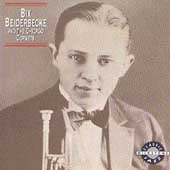
販売価格
販売中
お取り寄せお取り寄せの商品となります
入荷の見込みがないことが確認された場合や、ご注文後40日前後を経過しても入荷がない場合は、取り寄せ手配を終了し、この商品をキャンセルとさせていただきます。
| フォーマット | CDアルバム |
| 発売日 | 1990年06月30日 |
| 国内/輸入 | 輸入 |
| レーベル | Milestone Records |
| 構成数 | 1 |
| パッケージ仕様 | - |
| 規格品番 | 47019 |
| SKU | 025218471923 |
構成数 : 1枚
合計収録時間 : 01:09:48
Personnel: Bix Beiderbecke (cornet); Frank Trumbauer (C melody saxophone); George Johnson (tenor saxophone); Jimmy McPartland, Muggsy Spanier (cornet); Guy Carey, Tommy Dorsey, Miff Mole, George Brunies, Al Gande (trombone); Min Leibrook (tuba); Volley DeFaut, Don Murray (clarinet); Jimmy Hartwell (clarinet, alto saxophone); Mel Stitzel, Paul Mertz, Rube Bloom, Dick Voynow (piano); Marvin Saxbe (banjo, guitar, cymbal); Bob Gillette (banjo); Tommy Gargano, Vic Berton, Vic Moore (drums).
Recorded in Richmond, Virginia and New York from 1924-1925. Includes liner notes by Max Harrison from a previous Milestone reissue.
Personnel: Bix Beiderbecke (cornet); Marvin Saxbe (guitar, banjo, cymbals); Bob Gillette, Howdy Quicksell (banjo); Jimmy Hartwell (clarinet, alto saxophone); Don Murray , Voltaire de Faut (clarinet); George "Happy" Johnson (tenor saxophone); Frankie Trumbauer (C-melody saxophone); Jimmy McPartland, Muggsy Spanier (cornet); Georg Brunis, Guy Carey, Al Gande, Miff Mole, Tommy Dorsey (trombone); Min Leibrook (tuba); Paul Mertz, Dick Voynow, Mel Stitzel, Rube Bloom (piano); Tom Gargano, Vic Berton, Vic Moore (drums).
Liner Note Author: Max Harrison.
Recording information: 02/18/1924-01/26/1925.
Photographer: Culver Pictures.
Unknown Contributor Role: Bix Beiderbecke.
Considered by some to be one of the first modernists in jazz, Bix Beiderbecke was certainly the first important white man to contribute to the music in a lasting and meaningful way. Ten years before Lester Young, and nearly 30 before the West Coast sound embodied by Chet Baker and Gerry Mulligan, Beiderbecke was playing a cool alternative to Louis Armstrong's hot ensembles. These tracks represent his earliest efforts with The Wolverines (he was just shy of his 21st birthday) as well as some studio pickup groups. Bix's distinctive tone was already present; though his style was in its formative stages, his fecund imagination consistently yields melodic invention, rhythmic precision, and spontaneity.
On "Big Boy" we hear him switching between cornet and piano, his second instrument on which he had ample, swinging facility. The Chicago Cornets referred to in the title are two Bix epigones, Muggsy Spanier and Jimmy McPartland, whose performances (which don't include Beiderbecke) are less strong, but instructive nonetheless.
録音 : モノラル (Studio)
読み込み中にエラーが発生しました。
画面をリロードして、再読み込みしてください。