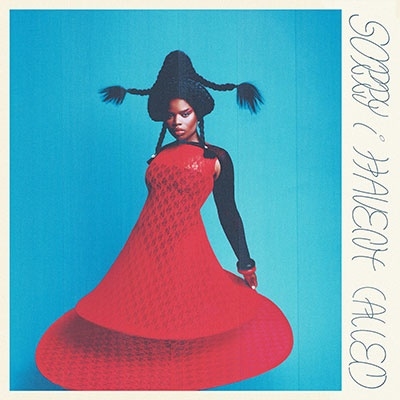
カメルーン出身のマルチ・インストゥルメンタリスト/シンガー・ソングライター/プロデューサー、ヴァガボン。
ロスタムを共同プロデューサーに迎え、作り上げた多幸感と遊び心に満ちたエモーショナルなポップ・アルバム。様々な感情とサウンドが作り上げた最新作『SORRY I HAVEN'T CALLED』完成!
カメルーン出身のマルチ・インストゥルメンタリスト/シンガー・ソングライター/プロデューサー、レテシア・タムコ(Laetitia Tamko)によるソロ・プロジェクト、ヴァガボン(VAGABON)。2017年にリリースしたデビュー・アルバム『INFINITE WORLDS』でデビューした彼女は、そのソウルフルなインディー・ロック・サウンドで多くの早耳リスナーの注目を集めた。現在はニューヨークを拠点に活動している彼女は、2019年にNonesuch Recordsからの第1弾アルバムとなるセルフ・タイトル作をリリース。ソングライティングからプロデュースまですべてを手掛けたその作品で彼女は、ギター中心だったサウンドに新たにエレクトロニックな要素も取り入れ、アナログとデジタルを巧みに組み合わせた、エレクトロなのにオーガニックなアレンジで高い評価を集めた。
その彼女が新たなアルバムを完成させた。元ヴァンパイア・ウィークエンドのメンバーであり、ハイム等のプロデューサーとしても知られるロスタムを共同プロデューサーに迎えて制作した本作『SORRY I HAVEN'T CALLED』は、また新しい彼女の一面を引き出した作品となっている。前作ではエレクトロニックな要素を取り入れたサウンドで注目を集めたが、今作では彼女にとって最も冒険心に溢れ、また遊び心に満ちた音楽となっているという。
「内省的になっている気分じゃなかった」新作について彼女はそう語る。「ただ楽しみたかったの」
2021年、親友の死をきっかけに生まれたという『SORRY I HAVEN'T CALLED』。主にドイツで制作され、ロサンゼルスで仕上げられた12曲はダンス・ミュージックと弾けるようなポップを彼女らしいセンスで融合させており、どこか会話を思わせる歌詞は生き生きとしていながら、自己を意識させず、自身のヴィジョンを受け入れ、喜びを取り戻したアーティストの姿を捉えている。
「このアルバムは、私が友人、として恋人と話している言葉そのもの」アルバムを構成する歌詞について彼女はそう説明する。「率直で会話形式のソングライティングは、詩になると思うの。メタファーも使わず、花のようなイメージを用いない、飾らない言葉に美しさがあると思うの」
その率直な詞世界が反映されているのが、アルバムからのリード・トラックとなる「Can I Talk My Shit?」だろう。(1/2)
発売・販売元 提供資料(2023/06/23)
アルバムにはこのほか、ベースのグルーヴが心地よい「Carpenter」からハウス・アレンジが効いている「You Know How」やジャングル・ビートを取り入れた極上のダンス・トラック「Do Your Worst」、瞑想的な「Autobahn」や軽快な「Made Out With Your Best Friend」、そしてマライア・キャリーに部分的にインスパイアされた歓喜のポップ・ナンバー「Lexicon」まで多彩な楽曲が並んでいる。『SORRY I HAVEN'T CALLED』は、自分がどう愛し、どう哀しむかを知ることで、恍惚とした瞬間を受け入れることができると表現している温かく、そしてはつらつとしたアルバムだ。ダンスフロアでの共同作業から閃いた啓示と、孤独から生まれた安寧の両方から生まれたこの作品は、感情的な再生であると同時に芸術的な再生でもあるのだ。
「このアルバムは私が目指していたもののように感じる」そう語る彼女。「このアルバムについて考えるき、私は遊び心を思い浮かべる。多幸感のある作品なの。暗い時期があったからこそ、このアルバムは生命力とエネルギーに満ちている。これは私が当時経験していたことへの反応を捉えたものであって、経験を記録したものではないのよ」(2/2)
発売・販売元 提供資料(2023/06/23)
The self-titled second album by Laetitia Tamkos Vagabon project marked a shift from the singer/songwriters earlier guitar-based style to a much more electronic sound, as she mainly wrote music on her laptop while touring. Her life changed considerably with the death of her best friend in 2021. She relocated to a remote village in Northern Germany, with no phone service, and worked on music by herself. Going to raves in dark clubs helped her process her grief, and she continued incorporating more dance music influences into her songs. The album was finished in Los Angeles with co-producer Rostam Batmanglij, and additional production and co-writing by several other friends.
Right from the opening song, "Can I Talk My Shit?," her lyrics are both more blunt and more sensual, and her voice sounds higher in register and more delicate, almost entirely removed from the dusky feel of her earlier releases. Despite the heaviness of the life events that lead to the albums creation, the music is also lighter and more vibrant, even if the songs are about the difficulty of moving on, like the gentle Afro-pop groover "Carpenter." "You Know How" is an intimate confessional aimed at someone she wants to be more than friends with, set to a thumping deep house rhythm. A light disco-funk rhythm propels "Lexicon"s message about dancing all night to keep from worrying about romantic feelings and relationship troubles. The easygoing midtempo pulse of "Its a Crisis" would seem a lot less tense as an instrumental, and a partial release comes in the form of a horn solo which sounds like its being played from the edge of a tunnel. Most devastating is the atmospheric drumnbass tune "Do Your Worst," in which Tamko faces someone giving off bad energy and turning her into someone she doesnt like. Final song "Anti-Fuck" is the closest Tamko comes to revisiting the indie rock angst of her debut, with distorted guitars simmering beneath her vulnerable lines which seek for clarity in a relationship. Though Tamko continues to address uneasy subjects and feelings with her music, she sounds more assured than before on her illuminating third album. ~ Paul Simpson
Rovi