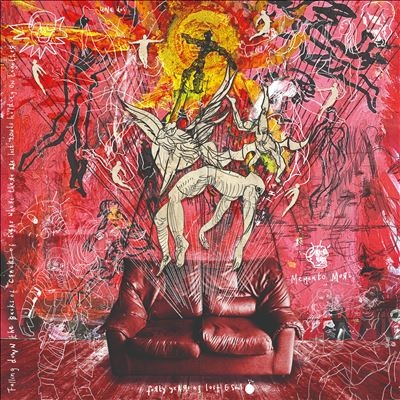
Satisfying as it was, E Soul Cultura was also tantalizing in its nanoscopic unmixed sampling of the varied collection possessed by Luke Una, a North of England DJ legend -- Sheffield, Manchester, the world -- nearing 40 years behind the decks. It wasnt presented upon release in 2022 as the first in a series, so the arrival of a second volume barely a year later was a pleasant surprise, a positive development for lovers of eclectic compilations -- an increasingly uncommon format in the age of streaming playlists. As with the first volume, tracks date as far back as the early 70s with representation from almost every subsequent decade, and theres no intent on Lukes part to "show off," since tracks worth pocket change alternate with those that fetch triple-digit sums, and material more recently reissued is almost as common as genuine obscurities. Each track on Luke Una Presents E Soul Cultura, Vol. 2 is in some way fascinating, and most of them are far beyond mere deep-digging curiosities. The best of the less-rare selections is Real Things "Children of the Ghetto." Excerpted from a medley off the Liverpool soul groups 1977 album, its a gorgeously sorrowful/hopeful ballad Luke identified as "up there with anything the Americans have done." (Earth, Wind & Fires Philip Bailey might agree -- he covered it on Chinese Wall.) Another B-side comes from Yargo. The stuttering drums at the start of their "Marimba" sound like a lead-in to a cover of A Certain Ratios "Knife Slits Water," but the track casts a spell headier than that of their fellow Mancunians. Its undoubtable that no other set will compile recordings by both a moonlighting member of Electric Light Orchestra (Michael de Albuquerques delightfully bent "We May Be Cattle But Weve All Got Names") and private-pressed soul singers (the audacious Avis, who covers Minnie Ripertons "Baby, This Love I Have" with surprising finesse). Swiss prog rockers Pyranha seem equally inspired by Neil Young and Michał Urbaniak, and why not? Other tunes come from Guadeloupe, Japan, Brazil, and New York with styles as disparate as their geographic locations. For those unfamiliar with Luke, it might take a listen to a few of the DJs sets to understand where the man is coming from, but the variety and sequencing of the tracks do make a kind of sense. Not much exposure will leave the impression that Luke clearly doesnt have the shrugging "there are two kinds of music" philosophy, given that hes wildly descriptive about his selections in explaining what makes them special. Hes so enthusiastic and persuasive that a listener might question their ears when a selection doesnt resonate. ~ Andy Kellman
Rovi