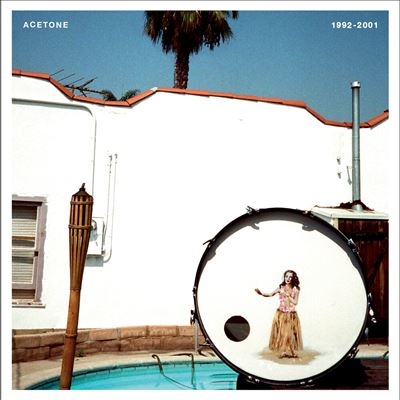
1987年にベーシスト/ギタリストのRICHIE LEE、ギタリストのMARK LIGHTCAP、ドラマーのSTEVE HADLEYによって結成されたカリフォルニア州ロサンゼルスのロック・トリオ、ACETONE。
2017年にリリースされたバンド初のアンソロジー『1992 - 2001』が、2023年カラー・エディションとして再登場!本作は、1992年から2001までの楽曲に加え、リリース当時未発表トラックも追加した2枚組。 多くのミュージシャンから絶賛を浴びたものの、その内容とは裏腹に見過ごされてしまった90年代インディのカルト的バンドの魅力を詰め込んだ素晴らしいアンソロジーとなっています。
発売・販売元 提供資料(2023/03/20)
When Acetone released their debut album, Cindy, in 1993, the band seemed to run on two speeds -- nearly all of their songs were either semi-gunge numbers with loud distorted guitars and a fairly heavy stomp, or slowcore-influenced tunes that suggested their favorite Velvet Underground song was "Candy Says." While some Neil Young-style country accents and pop overtones would later find their way into the mix, this duality remained common throughout Acetone's recording career, though the slowcore side of their personality was getting a lot more play on their swan song, 2000's York Blvd. Acetone folded after the death of bassist Richie Lee in 2001, and 16 years later, Light in the Attic paid tribute to the band with a career-spanning collection, 1992-2001, that combines material from their albums with previously unreleased demos and home recordings from the band's archive. Curiously, 1992-2001 focuses exclusively on the slowcore side of their personality; if this album was all a curious listener had to go on, they'd never even know that numbers like "Pinch," "Final Say," "It's a Lie," or their cover of Kris Kristofferson's "Border Lord" had any place in the group's aesthetic. Given that Acetone's following was modest during their lifetime and they're not especially well remembered today, this is a serious flaw, as this set gives an ultimately inaccurate portrait of their body of work, ignoring an important facet of their sound. That said, as a summary of Acetone's slowcore-influenced material, 1992-2001 is splendid. While most slowcore bands tended to sound sad and downbeat, there was a sunny side to Acetone's most languid music, and the subtle virtuosity of Mark Lightcap's guitar was a perfect foil for the purposeful drift of Lee's bass and Steve Hadley's drums. And while most of the unreleased material doesn't stand out from the album cuts, that also means they're on par with the stuff the group released back in the day, and what's here is quietly magical at its best. If Light in the Attic were to release a companion volume of Acetone's noisier stuff, then 1992-2001 would make a bit more sense; as it is, this collection is full of fine music that merits attention, but as a career summary, it falls short of the mark. ~ Mark Deming
Rovi