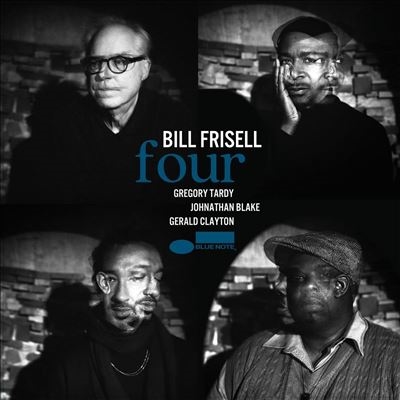
ギター・レジェンドのビル・フリゼール、ブルーノート3作目がリリース!
ジャズのみならずポップスやルーツ・ミュージックなどあらゆるジャンルを独自のサウンドで表現する唯一無二のギター・レジェンド、ビル・フリゼールの約2年振りとなるニュー・アルバム。
ブルーノートから3作目となる今回のアルバムは、グレッグ・タルディ(sax, cl)、ジェラルド・クレイトン(p)、ジョナサン・ブレイク(ds)という変則カルテット編成で全編収録。このアイデアはコロナ禍以前から既に存在しており、パンデミック中にギターを手に取り今回のアルバムのもととなった楽曲やアイデアの断片を創り上げたとのこと。セッションについて特に細かな決め事はしていなかったというフリゼールは、今回のレコーディングについて「みんな僕が持ってきた曲やアイデアは知っていたけれど、誰がいつ何を演奏するかということに関しては、すごくオープンだったんだ。ベースがいないのはちょっと怖かったけど、編成のことはあまり考えなかった。いつも化学反応の方が大事なんだ。このアルバムは、僕ら4人が集まってプレイした最初の瞬間を捉えているから、ライヴで演奏するとまた違うものが生まれるだろうね」と語っている。
楽曲は新旧織り交ぜたフリゼールのオリジナル13曲を収録。パンデミック中に大切な友人を亡くすという経験を何度も経験した後のレコーディングだったこともあり、全編にわたりメランコリックな切なさをはらんでいる。亡くなった幼馴染のアラン・ウッドワードに捧げた「ディア・オールド・フレンド」、同じく亡くなった友人であり画家に捧げた「クロード・アトリー」、そして2020年に亡くなった稀代の名プロデューサー、ハル・ウィルナーに捧げた「ワルツ・フォー・ハル・ウィルナー」など、いずれもコロナ禍でフリゼールが経験した苦悩が美しく昇華された必聴の仕上がりとなっている。
180g重量盤2LP。
発売・販売元 提供資料(2022/10/03)
Four is guitarist Bill Frisells third leader set for Blue Note. His top-shelf quartet seamlessly balances improvisational acumen with a profound sense of melodic invention. Frisells sidemen include saxophonist/clarinetist Greg Tardy, pianist Gerald Clayton, and drummer Johnathan Blake. There is no bassist. Nine of these 13 tracks comprise fresh material, while the remainder are revisioned tunes from his catalog. Much of the new music was composed in notebook fragments during the pandemic; the album is his meditation on loss, renewal, and friendship. It is dedicated to the memory of Ron Miles, one of Frisells closest friends and the musician whose example he credits with opening his thinking to this intimate method of creation. Frisell left his pieces unfinished and presented them that way with precious little additional information to encourage spontaneous response and interplay from the group.
Opener "Dear Old Friend" is dedicated to the memory of Alan Woodard, a childhood friend who remained close all the way to the end. Tardy plays a folk melody that evokes both "Shenandoah" and "Swing Low, Sweet Chariot" with Clayton adding tender accents and fills. The guitarist enters fingerpicking his Telecaster using an expanded timbral palette as Blake adds muted tom-tom fills. "Claude Utley" begins with piano and muted rim shots, framing a harmonic statement that eventually opens onto a full lyric statement. Frisells solo evokes the lithe thematic romanticism of Nino Rotas score for Federico Fellinis Roma as Tardys clarinet surrounds him. His tenor sax introduces "The Pioneers," whose original version appeared on Good Dog, Happy Man. Frisell and Blake tenderly assert a bluesy gospel feel as Clayton paints a poignant backdrop for Tardys resonant solo.
Frisells catalog contains several titles that explore Americanas root genres. Despite the gentle approach and deliberate rootsy lyricsm here, this isnt one of them. This band, despite gentle, spacious communication, is locked in ambitious exploration. Check "Waltz for Hal Willner," as sax, piano, and whispering drums play in rounds and Frisell and Tardy trade imaginative call-and-response lines. The impressionistic jazz noir in "Lookout for Hope" is the title track from a 1988 ECM album. There is more reliance on space, clean tones, and tonal interplay between guitarist and saxophonist. "Monroe" and "Blues from Before" both use the form as a cornerstone from which to make -- what else but rootsy chamber music? The canny back and forth between frontline players is appended by the rhythm sections instinctive breaks and vamps. "Always" is a spectral piano solo from Clayton that displays his consummate sensitivity and phrasing. The acoustic 12-string and dobro in the original "Good Dog, Happy Man" has been replaced by a breaking snare, and a tight thematic union of clarinet and electric guitar. It moves further afield, engaging the circular folk theme and transforming it into a dance. Despite Fours gentility and lyricism, it is a striking, intimate, and abundantly creative exercise in modern jazz interaction and improvisation. ~ Thom Jurek
Rovi