Jazz
LPレコード

Kalak

0.0

販売価格

¥
4,590
税込
還元ポイント

販売中

お取り寄せ
発送目安
7日~21日

お取り寄せの商品となります

入荷の見込みがないことが確認された場合や、ご注文後40日前後を経過しても入荷がない場合は、取り寄せ手配を終了し、この商品をキャンセルとさせていただきます。

フォーマット LPレコード
発売日 2022年11月11日
国内/輸入 輸入
レーベルThe Leaf Label
構成数 1
パッケージ仕様 -
規格品番 BAY125V
SKU 843190012510

構成数 : 1枚

  1. 1.[LPレコード]

作品の情報

メイン
アーティスト: Sarathy Korwar

商品の紹介

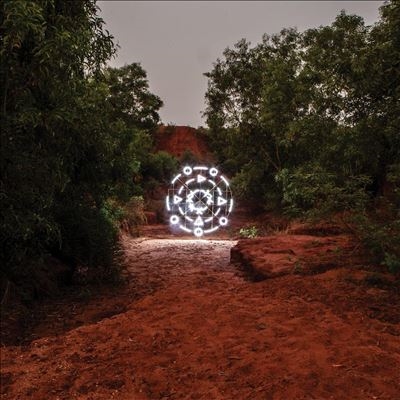
Kalak is the fourth long-player by London-based percussionist and composer Sarathy Korwar. Produced, arranged, and mixed by Photay, it is a sequel to 2019s More Arriving, fusing modern jazz with Mumbai rap. There are no rappers present on Kalak. That said, the short bookend tracks do feature pointed spoken word. Korwar retains the earlier albums core instrumental personnel: electronicist Dan Leavers (aka Danalogue), Collocutor/Flock saxophonist/flutist Tamar Osborn, synthesist Al MacSween, and percussionist Magnus Mehta. Photay adds additional synths and drum programing, all engage in group chanting/singing. Two days of live recording sessions at Real World Studios netted material eventually edited for this album. “A Recipe to Cure Historical Amnesia” is a minute-long poem recited by Korwar atop kitchen sound effects: “...Memories will cook/Nostalgia is burned away ... The meal is now ruined/The meal is now ready.” Osborn’s pulsing flute introduces “To Remember” atop bubbling tablas, baritone sax, and organic and synthetic percussion and effects. Melt Yourself Down guitarist Kushal Gaya adds chanted, sung, and moaned vocals as the tune cooks with trance-like intensity. Single “Utopia Is a Colonial Project” commences with droning space age synths before layered percussion and keyboards rumble in, creating frenetic, rollicking dance rhythms as Osborn’s baritone bleats above the army of drums and keys. “Back in the Day, Things Were Not Always Simpler” is almost a drum raga, with its pulsing harmoniums, clashing synths, shruti boxes, an army of hand drums, and an angelic chorus of looped voices by Noni-Mouse (Mumbai-based singer/producer Radha Priya). Listened to loud enough for long enough, this track could alter one’s consciousness. “Remember Begum Rokheya” is a tribute to a Bengali author. Its dubwise bassline centers a complex polyrhythm composed entirely of handclaps, multi-tracked baritone saxophone and flute, and chanted vocals. “That Clocks Don’t Tell But Make Time” is the album’s hinge track. Dream-like and wonky, all of its instrumentation and sounds dissolve into a hypnotic, circular rhythm. Inside it, beats spiral out, return, then implode. By contrast, “Remember Circles Are Better Than Lines” joins together Indian classical rhythms and spacy synths that bridge house and new age simultaneously, as a heavily reverbed, blissed-out flute and a cut-time drum kit shuffle ultimately construct a glorious track for the dancefloor. “Remember to Look Out for the Signs” is all rhythm. It’s constructed from, and saturated in, an orgy of tablas, mridangam, dholak, cajon, and Western tom-toms. They’re sequenced in staggered, slightly syncopated contrapuntal circular rhythms. Through headphones they cross channels atop atmospheric handclaps, radio noise, synth blips, and honking baritone saxes resembling pulsing foghorns. These sounds flow all around the percussion, pointing to a dark, droning center of horns, electronics, and loops that eventually deconstruct the rhythms and enter silence. The bottom line is that Kalak is a musical manifesto of South Indian futurism. It stands out from the ideologies, prejudices, and cultural conceits of the West, offering an instructive, wildly diverse aesthetic approach that demands to be observed, critiqued, and celebrated on its own terms. ~ Thom Jurek
Rovi

メンバーズレビュー

レビューを書いてみませんか?

読み込み中にエラーが発生しました。

画面をリロードして、再読み込みしてください。