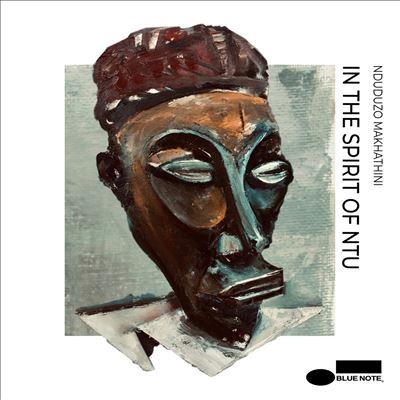
南アフリカのピアニスト/コンポーザー、Nduduzo Makhathiniの、高い評価を受けたブルーノートのデビュー作で。ニューヨーク・タイムズ紙が「2020年のベスト・ジャズ・アルバム」のひとつに選ん『Modes of Communication』に続く第2弾が、ユニバーサルミュージックグループ・アフリカと提携し設立したインプリント・レーベル、ブルーノート・アフリカからのリリース第1弾が重量盤2LPで登場。
Nduduzo Makhathiniとしては10作目のスタジオ・アルバム!
本作では彼のカタログで探求されたテーマ、サウンド、コンセプトの概念を凝縮。これまで自分がやってきたことをすべてまとめて、"何らかの "文脈に乗せる必要があると感じたんだ」と彼は言う。南アフリカの活気あるジャズ・シーンの中心人物であるマッカティーニは、サックス奏者のリンダ・シッカハネ、トランペット奏者のロビン・ファシーコック、ビブラフォン奏者のディラン・タビシャー、ベーシストのスティーヴン・デ・スーザ、パーカッショニストのゴンツェ・マケネ、ドラマーのデイン・パリス、そして特別ゲストとして、ボーカルのオマグ、アナ・ウィダワー、アメリカのサックス奏者のジャリエ・ショーら南アフリカのもっとも有望な若いミュージシャンで編成したバンドで、このアルバムを制作。
「マイナーとメジャーのリズム」、「ガイド付きモビリティ」、「アクティヴ・リスニング」、「儀式主義」など様々なコンセプトをプロジェクトに組み入れ、ズールー族の伝統と知的好奇心のバックグラウンドを生かした魅力的な表現で、マッカティーニの作品を紹介。「私は、ジャズを私たちの文脈に位置づける方法として、これらの宇宙論的なアイデアに取り組んでいます。私は『Modes of Communication』をリリースしました。冥界から届く音のメタファーとして手紙を使い、『Letters from the Underworlds』を発表しました。その前にリリースした『Listening to The Ground』では、聴くことが知ることであるという考え方に共感してくれました。『In the Spirit of Ntu』は、そのような、地面から現れるものに耳を傾けるというパラダイムの中で生きているのです。Ntuはアフリカに古くから伝わる哲学であり、Ubuntuという考え方はそこからきています。Ubuntuとは、「あなたがいるから私がいる」という意味です。それは集団性を深く呼び起こすものです」とコメント。
発売・販売元 提供資料(2022/09/20)
South Africas jazz scene may not get nearly as attention as Londons, but it is every bit as varied, innovative and creative. Pianist and composer Nduduzo Makhathini is a leading light in South African jazz, a musician at the forefront of its scene. In the Spirit of NTU is his tenth album and second for Blue Note, and the inaugural recording for Blue Note Africa. The pianist surrounds himself with South Africas top musicians including saxophonist Linda Sikhakhane, trumpeter Robin Fassie Kock, vibraphonist Dylan Tabisher, bassist Stephen de Souza, percussionist Gontse Makhene, and drummer Dane Paris. His guests include American alto saxophonist Jaleel Shaw, and vocalists Anna Widauer, and Omagugu Makhathini. Across this new work, Makhathini condenses conceptual, often esoteric philosophical and spiritual themes explored in his catalogue down to 10 tracks. He draws on Zulu and precolonial traditions and wide-ranging cosmological and intellectual curiosities -- the NTU itself is an ancient concept about interdependence and collectivity.
Opener "Unonkanyamba" is introduced by rumbling piano, and layered hand percussion. The horns offer a sweet, township-inspired theme that Makhathini punctuates with bridged harmonies. Sikhakhanes powerful solo explores amid intensely hypnotic rhythms. The pianists gospel-tinged melody lines accent his solo. "Mama" is a lullaby. It offers resonant interplay between Omagugus vocals and Fassie Kocks trumpet. Makhathinis downmixed, chanted backing vocals (on all but two tracks) underscore tenderly articulated lyricism above a poignant bassline and rippling percussion. "Amathongo"s postbop uses shuffling swing from Pariss kit as a catalyst. Flugelhorn and vibes exchange lines with each another and Makhathinis vamp. His solo threads angular arpeggios through dissonant harmonic invention as vibes, flugelhorn and percussion frame his attack. The sets hinge track, "Emlilweni" in inspired by Old Testament Book of Daniel tale of Shadrach, Meshach and Abednego. Sentenced to die by Babylonian king Nebuchadnezzar for refusing to worship his image, they emerge unscathed followed by a fourth man, "…like a Son of God." The expansive modal opening features Sikhakhane in concert with the pianist appended by dramatic hand percussion and drums. The pianists solo is rife with athletic, high register arpeggios. Shaw delivers an incendiary alto solo representing the fire. Widauer appears on "Re-Amathambo," reworked from 2018s, Ikhambi. Her smoky alto offers lustrous, syncopated phrasing amid the bluesy, shuffling architetcure. The pianists fills and phrasing frame her singing as vibes poignantly and authoritatively underscore her lines. "Omnyama" employs haunting repetition in modal chord voicings and pronounced circular rhythms that morph into vocal chanting. Sikhakhanes soprano shouts and whispers before Makhathini inserts jagged single lines amid swelling, poignant horns. "SenzeNina" juxtaposes stately chordal piano statements with rumbling glissandos, a vocal chant, and Sikhakhanes mournful tenor solo. The title track closer is a solo, hymn-like, meditative piece wedding gospel and township folk before evolving toward vanguard improvisation. In the Spirit of NTU is an introduction to and summation of Makhathinis musical universe to date. Contrasting inquiry and statement, exploration and discovery, its the work of an artist possessed of startling vision and dazzling creativity. ~ Thom Jurek
Rovi