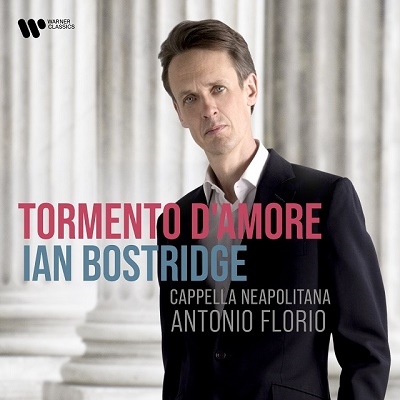
イアン・ボストリッジの、歌詞の裏の内容まで突き詰めた表現による知られざるバロック・アリア集
オペラはルネッサンス末期にフィレンツェで生まれ、バロック期にヴェネツィアで発展し、ナポリへと移って行きました。悲劇的オペラも多いにせよ、バロック後期にはオペラ・セリアというジャンルの確立されていきました。ここに収録された作品は、ナポリでのそれ以前の悲劇的なオペラからのものを中心のものです。数多くのロマン派のリートなどで、その歌詞の裏の内容まで突き詰めた表現を表すボストリッジですが、かなり前よりモンテヴェルディの「オルフェオ」や、ヘンデルやバッハの作品、18世紀のテール歌手たちのためのアルバムなど、時代をさかのぼった作品へも興味を抱き挑戦しています。
「イタリアのテノール」の現代的な認識は、19世紀から20世紀初頭のオペラと演奏の実践によって非常に形成されていますが、ボストリッジは、このアルバムに収録されているアリアのような、17世紀半ばから18世紀半ばにかけてイタリアのオペラでテノールの重要な位置であると示しています。これは、カストラートの時代とよく似た関係にあると考えられています。イタリアオペラの「重心」が、そのジャンルの起源であるヴェネツィアからナポリに移ったのはこの時でした。またナポリ楽派のオペラは、その基礎がシチリア生まれのアレッサンドロ・スカルラッティ(1660-1725)にあるとされていることが多く、18世紀の間に非常に影響力を持つようになりました。ナポリで多くを学んだ指揮者リッカルド・ムーティは、「モーツァルトは確かに天才ですが、ナポリ楽派がなければ、それは無かった。まったく異なる才人です」と、述べています。
ボストリッジは、約10年ぶりのバロック作品のソロ・アルバムということで、歌詞の内容や、当時の歌唱法や表現法、楽譜の研究をおこなうにあたって、歴史に埋もれた知られざるイタリア、ナポリのバロック音楽を追い求め続けるアントニオ・フローリオと長い時間をかけてリハーサルを行っています。フローリオ率いるピリオド楽器アンサンブル「カペラ・ナポリターナ」をバックに、新たなナポリ・バロック探求そして発展をたどったアルバムとなっています。
ワーナーミュージック・ジャパン
発売・販売元 提供資料(2021/12/03)
Even well into his late fifties, tenor Ian Bostridge remains as popular as ever, and this collection of Baroque arias has had typical commercial success. One may ask just why he is so consistently well-liked. His voice is quite well preserved, but it has never had the athletic quality one associates with Baroque opera; for pure opera singing, one might choose any number of other voices. A major factor is his ability to put together programs that illuminate deeply a certain place and time. This album is called Tormento dAmore ("the torments of love"), and it constitutes a varied treatment of that theme, with moods ranging from melancholy to angry. However, there are other main ideas here. Bostridge traces the center of operatic gravity as it moved from Venice to Naples; Naples, the eighth-largest city in the world by 1750, was growing in commercial and artistic importance. The music runs in a chain from Francesco Cavalli, who trained many of the next generation, including some of the Neapolitans, to Vivaldi. In between are composers known mostly to specialists (there are a couple of world premieres), including Cristofaro Caresana, Francesco Provenzale, and Leonardo Vinci; if for nothing else, this album would be noteworthy for bringing into circulation the likes of Provenzales gorgeous "Che speri, o mio core," from Il schiavo di sua moglie (1672). Another point of emphasis for Bostridge is that these are all tenor arias, and that has historically been a neglected genre in the Baroque. It may be the countertenors (and now sopranos) who got the big numbers, but Bostridge indicates what riches are out there in tenor parts. The accompaniment by Cappella Neapolitana under Antonio Florio is properly circumspect. It all adds up to a compelling hour that submerges the listeners into deep musical currents. Parlophones sound from the Palazzo Positano in Naples is ideal.
Rovi