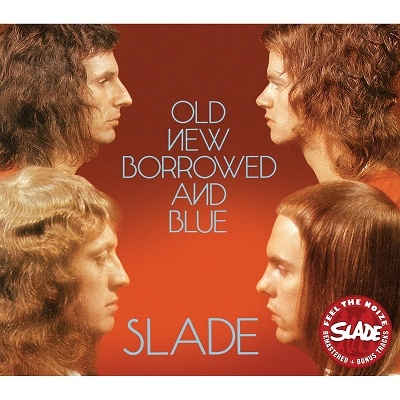
1970年代のイギリスでヒット・チャートを席巻したイギリスの愛すべき"国民的グラム・ロック・バンド"、スレイドの大ヒット全英No.1アルバム『OLD NEW BORROED AND BLUE(大狂乱スレイド一座)』が赤&ブルーのスプラッター・カラー・ヴァイナルで登場!
1966年ウルヴァーハンプトンで結成されて以来、1992年に活動を休止するまでの約30年に亘り、イギリスの音楽シーンで活躍してきたスレイド。1970年にはグラム・ロック・ムーヴメントの勢いに乗り、その単純明快で豪快、そしてポップなメロディーのサウンドと奇抜なグラム・ファッションで次々とヒットを全英チャートに送り込み、当時のヨーロッパで最もビッグなバンドの一つとして大きなインパクトを与えた。70年代全英No.1アルバムを3作世に送り出しただけでなく、1971年から1976年までシングルを17曲連続全英TOP20に送り込むなど、その勢いはとどまることを知らず、"グラム世代のサウンドトラック"として圧倒的な人気を誇った。
そんな彼らが1974年2月15日にリリースしたのが通算4作目となる『OLD NEW BORROED AND BLUE(大狂乱スレイド一座)』。前作『SLAYED?』に続き2作連続で全米No.1に輝き、ゴールド・ディスクにも認定された本作は、"ラウドでポップなギラギラのロック・サウンド"といった典型的なスレイド・サウンドに加え、ピアノを前面に押し出した「My Friend Stan」や「Everyday」のような楽曲も加わり、音楽性の広がりを感じさせる。アルバムからは前述の「My Friend Stan」が全英No.2ヒットとなった他、「Everyday」がNo.3を獲得している。
1973年にリリースした「Merry Xmas Everybody」が今でも毎年12月になると定番のクリスマス・ソングとして全英各地で流れ、あのノエル・ギャラガーも「ノー・スレイド=ノー・オアシス」と断言するほど英国音楽シーンに彼らが遺した足跡は大きい。(ちなみにオアシスも「Cum On Feel The Noize」をカヴァーしている)そんな彼らの代表作がアナログで復刻だ。
発売・販売元 提供資料(2021/09/03)
It took Slade two years and one hits-and-rarities compilation (Sladest) to get around to following up 1972's U.K. chart-topping Slayed?, two years during which the entire complexion of the band had altered dramatically. No longer the rampant yobs out on the stomp of yore, the quartet members placed the rabble-rousing bombast of old far behind them during 1974, and switched their songwriting efforts to more mellow pastures -- the gentle "Everyday," the yearning "Far Far Away," and the decidedly pretty "Miles Out to Sea." Old New Borrowed and Blue was the album that introduced the chrysalis to its audience -- not that you'd know it from the opening bellow. Riding a raw guitar line based, very loosely, around the guttural riffing of the Beatles' "Birthday," "Just a Little Bit" cranks in with almost metallic dynamics, even retaining the in-concert ad-libbing that had long since made it a highlight of the live show. "We're Gonna Raise the Roof," "When the Lights Are Out," and "My Town," too, offer little that Slade wasn't already well renowned for and that, perhaps, was what the bandmembers were thinking as well. The glitter-soaked thunderclap was old news now; they could write those rockers in their sleep. The vaudeville piano-led "Find Yourself a Rainbow," though, was new territory altogether, while the country-rock-inflected "How Can It Be" posited a direction that Holder himself admitted had long been a regular on his home turntable. It was "Everyday," however, that held the secret of the band's future, a crowd-swaying singalong of such scarf-waving majesty that it might well be single-handedly responsible for every great record U2 has ever made. It was certainly Slade's most memorable new single in a while and, as the cue for further airborne anthems, it became one of the most crucial songs in the group's entire repertoire. On an album that, at best, can be described as patchy, "Everyday" is a new day altogether. ~ Dave Thompson
Rovi