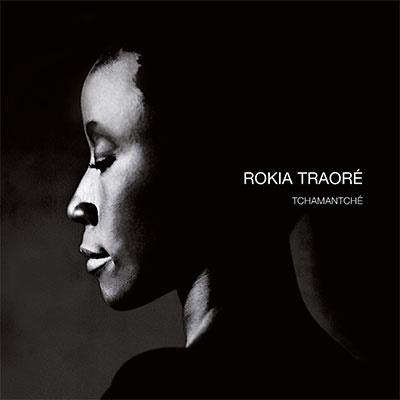
バンバラ語で「均衡点」を意味する「Tchamantche」は、マリの歌手Rokia Traoreの2008年リリースの4枚目のアルバム。本作は、アフリカ大陸で最も国際的に有名な音楽家の一人である同郷のアリ・ファルカ・トゥーレに捧げられたもので、彼女のキャリアの大部分をマリの音楽の伝統を再考することに費やした後の、歌手としての転機となった作品。「Tchamantcheは、エレクトリック・グレッチ・ギターのリフが、マリの伝統的な楽器の音と混ざり合い、彼女のクリスタルのような声に新たな舞台を提供するユニークなサウンドを披露している。Traoreがミニマルでエモーショナルなアコースティック・バラードを好んでいるとすれば、彼女はブルースやロックの影響を明確に受けており、芸術的に成熟した親密で官能的なアルバムに仕上がっている。
発売・販売元 提供資料(2021/08/25)
Malian singer, songwriter, and guitarist Rokia Traore is no stranger to European audiences. Her three previous offerings and her numerous tours and high-level showcases -- at WOMAD and Africa Live, and as part of Youssou N'Dour & Friends in Geneva, to name a few -- have garnered her a large and devoted fan base. Her music is not so well known in the United States, but with the release of Tchamantche on Tama/Nonesuch, this should change. Traore has always been a tradition breaker. She is from a family of nobles of the Bamana ethic heritage, a group with a strong griot tradition, though its nobility are discouraged from being musicians. Also, Malian women who are musicians usually accompany themselves on acoustic rather than electric instruments. Traore, who has appeared on stages and recordings with her great influence, the late Ali Farka Toure, plays an electric Gretsch.
On Tchamantche, Traore goes a step further: most Malian vocalists of the feminine gender tend to sing stridently, in over the top voices about elements of pride and heritage. She does neither. Her voice is intimate and almost understated, and her songs are filled with the plight of Africans who struggle for the most basic of human amenities: clean water, food, clothing, and shelter. Her politics are not rooted in rage, but in compassion. But even this isn't enough for Traore. She has fashioned a new sound from the tenets of Malian folk forms with her unique blend of guitars (electric and acoustic), n'gouni, classical harp, and kora, all layered in staggered rhythms with snares, a full drum kit, and percussion instruments. This is beautifully evident on the album's fifth cut, "Kounandi," the taut weave of instruments above the rhythms creating an intoxicating tapestry of root sounds that somehow transcend their basic tonalities and become something new. This is followed with the gorgeous "Koronoko," where these instruments, along with a popping bassline and staggered web of harmony vocals, act as another layer of instruments and tonalities. But then, there isn't a weak moment on Tchamantche. Its lyrics (all translated into English for Amerikanskis) -- full of pain, celebration, spirituality, steely pointed notions of justice, and critique -- are only underscored by this heady, complex mix of stylistic forms and styles that has become a sound unique to Rokia Traore. Highly recommended. ~ Thom Jurek
Rovi
デビュー当時はアフリカン・ポップスの新世代を象徴する存在だったマリのロキア・トラオレも、すでにヴェテランの域。アコースティック路線を基調としたサウンドはそのままに、音楽的なクォリティはアルバムを発表するたびに磨かれ、いまや「アフリカの」という前置きは不要。世界各地で台頭してきている新しい感性を持った女性シンガー・ソングライターのひとり、と捉えたほうがいい。それでももちろんアフリカらしさはしっかり感じられる。1曲目が“砂漠のブルース”を思わせる音になっているのも新鮮だ。
intoxicate (C)篠原裕治
タワーレコード(vol.77(2008年12月20日発行号)掲載)
マリが誇る歌姫、ロキア・トラオレによる約5年ぶりのニュー・アルバムは、まぎれもない大傑作! 声とギター、ンゴーニ、打楽器のみというミニマルな編成で、どうしてここまで人を感動させることができるのだろうか!? 幽玄なグレッチ・ギターが濃密な空間を雄弁に浮遊し、ロキアのブルージーな歌も戦前のブルースマンのように響く。カサンドラ・ウィルソンばりにブラック・ビューティーな、芯にブレのない一枚だ。
bounce (C)小松 健一郎
タワーレコード(2008年12月号掲載 (P93))