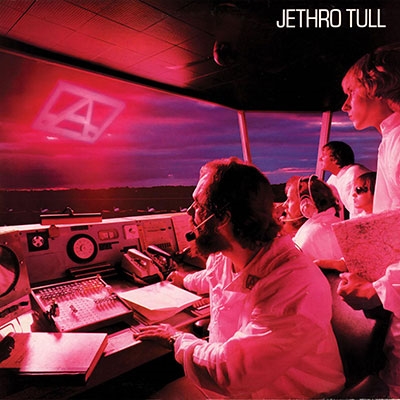
イアン・アンダーソン率いるブリティッシュ・プログレの代表格、ジェスロ・タル。
彼らの"発売40周年企画"シリーズも遂に1980年代の作品に突入!新たなサウンド、新たなラインアップで賛否両論を巻き起こした"異色作"――『A』がスティーヴン・ウィルソンによるニュー・ステレオ・ミックスにレア音源を加えた形で登場!
イアン・アンダーソン率いるブリティッシュ・プログレの代表格、ジェスロ・タル。2018年、デビュー50周年を迎えた彼らの"発売40周年記念企画"も遂に1980年代に突入!2019年にリリースされた"フォーク・ロック三部作"の最後を締めくくる『STORMWATCH / ストームウォッチ~北海油田の謎』の40周年記念エディション企画に続くのは、1980年発表の"異色作"『A』だ。
1979年9月に発表された12作目、『STORMWATCH / ストームウォッチ~北海油田の謎』の翌年にリリースされた『A』。元々イアン・アンダーソンのソロ・アルバムとして計画された作品だったこともあり、これまでとは異なるサウンド、そして異なるラインアップをフィーチャーした作品である。アルバムのタイトル『A』は、レコーディング時のマスター・テープに書かれたアンダーソンの"A"に由来しているという。カーヴド・エアやロキシー・ミュージック、UKで活動していたエディ・ジョブソン、そしてフェアポート・コンヴェンションのデイヴ・ペグ(ちなみに彼は"STORMWATCH"ツアーのメンバーとして加わっている)などがフィーチャーされていたこのアルバムには、ジェスロ・タルのメンバーはアンダーソンとマーティン・バレ以外参加していなかったが、レーベル側の強い意向によりジェスロ・タルのアルバムとして発表されることになった。1980年の夏にロンドンのMaison Rouge MobileとMaison Rouge Studioでレコーディングされたアルバムのプロデュースを手掛けるのは、アンダーソンとロビン・ブラック。大胆にエレクトロニック・サウンドを取り入れた本作は、その新たな方向性故、リリースされた当時賛否両論を巻き起こしたともいわれる。
本作は、今年4月にリリースされた『A』の発売40周年記念デラックス・エディションのCD1として収録されていた、オリジナル・アルバムが独立したもの。スティーヴン・ウィルソンによるニュー・ステレオ・リミックスのオリジナル・アルバムに加え、5曲の未発表スタジオ・トラックが収録されている。ボーナス・トラックの中には、アルバムからのシングル曲「Working John, Working Joe」の別テイクや「Crossfire」のエクステンデッド・ヴァージョン、さらにスタジオ・アウトテイク曲「Coruisk」が含まれている。
発売当時は、これまでとは異なる斬新な音楽性にファンの間で賛否両論を巻き起こした本作だが、今改めて聴けば、ジョン・アンダーソンの飽くなき音楽的探究心と先進性を感じ取れる作品だと言えるだろう。発売40周年を経て、まら新たな発見をもたらしてくれるであろう作品だ。
発売・販売元 提供資料(2021/07/02)
Gone are the longtime Anderson images of the vagabond/sage (the group is clad in white jumpsuits on the cover) -- also gone are the historical immersion of their music and anything resembling Dickensian, much less Elizabethan sensibilities. And nearly gone was Jethro Tull itself, for A started life as an Ian Anderson solo project but ended up as a Jethro Tull release, probably for commercial reasons. The difference is probably too subtle for most people to comprehend anyway. It is more reflective than Tull's usual work, but lacks the sudden, loud hard rock explosions that punctuate most of the group's albums. The death of bassist John Glascock in late 1979, and the departure of Anderson's longtime friend John Evans after the release of Stormwatch, as well as the exit of arranger/keyboard player David Palmer, led to some major lineup shifts; Fairport Convention's Dave Pegg's taking over Glascock's spot and the addition of Eddie Jobson, ex-Roxy Music/King Crimson violinist/keyboardman all seem to have removed some of Anderson's impetus, at least for a time, for keeping the group going in the studio. What finally emerged is the first Tull record not to feature Anderson's acoustic guitar, yet it also has a more balanced sound than any of their prior records. Jobson's arrangements are leaner and more muscular than Palmer's, giving the music a stripped-down sound, a sort of hard folk-rock (reminiscent of Steeleye Span's All Around My Hat), augmented by synthesizer and electric violin; this somewhat updated Anderson's music and moved him into the art rock category. Released in the midst of the punk/new wave boom in the United States, it didn't do too much for anyone's career, although it probably maintained Anderson's credibility better than any traditional Tull album would have. ~ Bruce Eder
Rovi