Jazz
CDアルバム

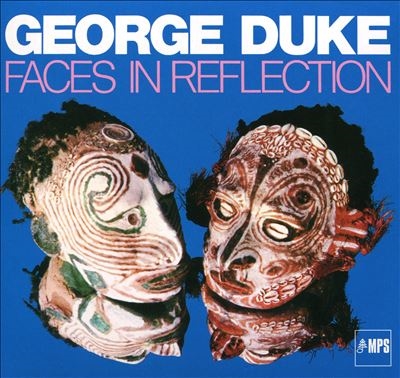
Faces in Reflection

0.0

販売価格

¥
2,690
税込
還元ポイント

販売中

お取り寄せ
発送目安
14日~35日

お取り寄せの商品となります

入荷の見込みがないことが確認された場合や、ご注文後40日前後を経過しても入荷がない場合は、取り寄せ手配を終了し、この商品をキャンセルとさせていただきます。

フォーマット CDアルバム
発売日 2021年06月25日
国内/輸入 輸入
レーベルMPS Records
構成数 1
パッケージ仕様 -
規格品番 MPJZ2149422
SKU 4029759149422

構成数 : 1枚
合計収録時間 : 00:39:49

  1. 1.[CDアルバム]
    1. 1.
      The Opening
    2. 2.
      Capricorn
    3. 3.
      Piano Solo No. 1+2
    4. 4.
      Psychosomatic Dung
    5. 5.
      Faces in Reflection No.1 [Instrumental]
    6. 6.
      Maria Tres Filhos
    7. 7.
      North Beach
    8. 8.
      Da Somba
    9. 9.
      Faces in Reflection No.2 [Vocal]

作品の情報

メイン
アーティスト: George Duke

商品の紹介

Released in 1974, Faces in Reflection was, in many ways, George Duke's third album as a leader for MPS. The first two, Solus and The Inner Source, were recorded separately but issued as a double-LP by SABA, which shortly thereafter ceased doing business and was folded into MPS. That said, there is little resemblance between the man who recorded his early albums like Save the Country, those aforementioned, and the seasoned studio experimentalist who cut Faces in Reflection. Duke's periods with Cannonball Adderley and Frank Zappa (the latter an ongoing relationship; it was Zappa who introduced Duke to the synthesizer) had taught him a ton musically and about working in the studio. The players here include Leon "Ndugu" Chancler and bassist John Heard. The sound is a seamless mixture of fusion, jazz, funk, and sound experiments; all are quite musical. It is a shock in the present century to even consider that this was Duke's first date as a leader even using a synth -- the ARP 2600 -- because he comes across as a master of its many textures and possibilities. The electric Rhodes and acoustic pianos are still a big part of the sound here, and the radio-friendly chart-topping funk he would cut later in the decade was still a little ways off. The set kicks off on the rock side of jazz and the jazz side of rock with a killer drum break from Chancler in double- and triple-time answered by the synth, bass, and Rhodes piano. Very quick, its funky bassline rumbles and pops playing counterpoint to Chancler's furious drumming. There are chunky wah-wah effects, and a reaching set of harmonic pulses Duke puts forth before his killer Rhodes solo. This cut is followed with Duke's own rendition of "Capricorn," a tune he wrote for the Adderley band (it was originally narrated by Rick Holmes, who wrote the words for the Soul Zodiac album). Its slow, soulful, summery groove is a sharp contrast to "The Opening." Duke's voice, humming and singing wordlessly as a component of the instrumental music, is lovely. It nurtures the free-flowing soul groove in the tune, and his Rhodes plays the chords percussively, allowing Heard an out-front look at the pace in the melody. But Duke's laid-back, in the cut solo on both acoustic and electric pianos, with just a little dabble from the synth in the later third, makes this one of the great late entries in the classic cosmic soul-jazz book. One of the early, riotous, funky fusion offerings from Duke is "Psychocomatic Dung," and one can hear Joe Zawinul's enormous crescendos signaling a dynamic shift in the track (a la "Boogie Woogie Waltz") in Duke's composition. The bassline in this cut is simply monstrous, almost stealing the leader's thunder, which in turn is eclipsed by the colossal, uber funky pulse in Chancler's breakbeats in triple-time on the snare and ride cymbals. The way the ARP gets used here is also reminiscent of the knottiness in Zappa's early-'70s compositions as well. That said, Duke's ability to absorb these influences and turn them around with Afro-Cuban and other Latin rhythms is just smoking. Chick Corea may have been playing faster and more complex material with Return to Forever, but he had none of the real emotional fire and accessibility that was in Duke's approach even at this time. Corea had all but left jazz behind and Duke was saturating himself in it even as he pursued funky Brazilian, soul, and rock elements in his sound. Check out the mellow, flowing first version of the title track which closes out side one on the LP. It's a synth drift that begins harmonically altering a simple melody as if it is a mirror of itself. Chancler's drums stroll through the middle, braking, rolling, filling, and putting the lyric frame in the context of a rhythmic statement. Heard just allows his simple pulse to keep both sides together. It's utterly lovely. Brazilian music makes a solid entry on the second half, first in the gorgeous "Maria Tres Filhos," with a wonderful ringing a to be continued...
Rovi

メンバーズレビュー

レビューを書いてみませんか?

読み込み中にエラーが発生しました。

画面をリロードして、再読み込みしてください。