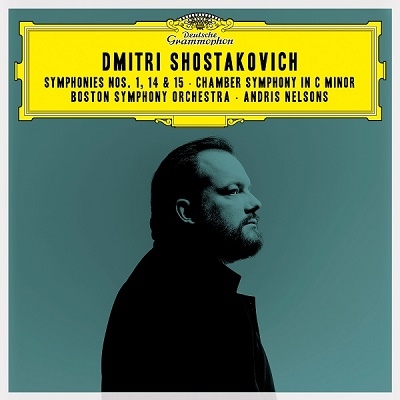
シリーズ第1弾~第3弾がグラミー賞3連覇した好評ショスタコーヴィチ交響曲全曲録音シリーズ最新盤!
ラトヴィア出身の俊英指揮者、ネルソンスと彼が音楽監督を務めるボストン交響楽団による大好評のショスタコーヴィチ交響曲全曲録音シリーズ第5弾!
レニングラード音楽院の卒業制作として作曲され、初演の大成功がショスタコーヴィチを世界の檜舞台にのしあげた最初の交響曲第1番。様々な作品の引用が興味深い第15番は彼の最後の交響曲となった作品です。ソプラノとバスの独唱による死をテーマとした連作歌曲となっている交響曲第14番は、前衛的技法が盛り込まれ、創作の集大成ともいえます。さらに、弦楽四重奏曲の最高傑作第8番をバルシャイが編曲し、作曲者も絶賛した室内交響曲 作品110aも収録しています。
1978年に、当時まだソ連領だったラトヴィアのリガに生まれたアンドリス・ネルソンスは、ショスタコーヴィチの音楽の演奏に対して独自の視点をもっています。彼はソビエトの音楽的伝統のもとで教育された、最後の指揮者の一人です。そしてサンクトペテルブルクで長く学んだネルソンスは、ロシアの偉大な巨匠たちの伝統を受け継ぐと同時に、レパートリーの中核をなすドイツ作品では西欧の巨匠たちの伝統も受け継いでいるという、現在ではたぐいまれな指揮者の一人です。
ユニバーサル・ミュージック/IMS
発売・販売元 提供資料(2021/05/21)
The newest addition to Andris Nelsons and the Boston Symphony Orchestras award-winning survey of Shostakovichs orchestral works takes on symphonies from the opposite ends of the composers life. Shostakovichs first symphony, composed when he was only 19, announced his presence to the world, while his 15th seemingly grapples with his impending mortality. The Symphony No. 1 in F minor, Op. 10, was written as a graduation piece for his composition class at the Leningrad Conservatory. The composers youth and the influences of Stravinsky and Prokofiev are evident in the work, but there are plenty of allusions to his later style. Slightly on the slower side overall, the emotion and forward motion of the music is not lost. The Symphony No. 15 in A major, Op. 141, written a few years before the composers death, though not programmatic, seems to present a look at the cycle of life. The youthful playfulness of the first movement, with its famous Rossini quotes, is matched by the somberness and mournfulness of the second movement. Shostakovichs Symphony No. 14 in G minor, Op. 135, an orchestral song cycle of sorts, again tackles the subject of death. Soprano Kristine Opolais and bass Alexander Tsymbalyuk do very well in conveying the emotional and dramatic subjects of the text. The soloists and Nelsons communicate well, and they deliver compelling performances, well-balanced against the orchestra. The final work on the album is Rudolf Barshais Chamber Symphony arrangement of the String Quartet No. 8 in C minor, Op. 110, of 1960. The quartet was written while Shostakovich was visiting Dresden, which was still recovering from the ravages of World War II, and is dedicated to the victims of fascism. This is the most popular of Barshais arrangements, owing principally to the popularity of the String Quartet No. 8, and it carries through many of the same dark moods found in the final two symphonies, making it a natural addition to those works. Nelsons schooling and background knowledge of the Russian masters really comes through in these recordings and is coupled with the preciseness he has wrought in his time with the Boston Symphony. The orchestra is exceptionally clean and precise throughout, making it clear why this cycle has found so much success with critics and audiences. Deutsche Grammophons engineers capture every detail superbly in these live recordings from Bostons Symphony Hall, and the clarity of the recording matches the exceptional performances.
Rovi