これぞ2021年インディー・ポップの理想形。
80年代ネオアコ、ステレオラブ、The xxも飲み込むザ・グーン・サックス超待望の最新作発売決定!!
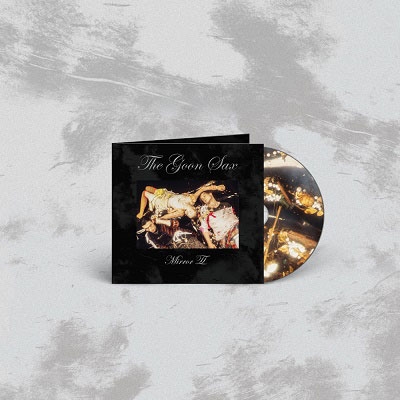
若干10代でデビューを果たし、ライド擁する名門〈Wichita〉にもカタログを残すブリスベンのローファイ・インディー・ポップ・トリオ、ザ・グーン・サックスが最新アルバム『Mirror II』をリリース!
3年ぶり通算3作目にして〈Matador〉移籍後初となる本作はPJハーヴェイやオルダス・ハーディング、最近ではドライ・クリーニングのデビュー作も記憶に新しいジョン・パリッシュをプロデューサーに迎え、ポーティスヘッドやビークの活動で知られるジェフ・バーロウが所有するブリストルのInvada Studiosでレコーディングを敢行。
灰野敬二、裸のラリーズ、カイリー・ミノーグ、ヤング・マーブル・ジャイアンツ、ステレオラブ、ジャスティン・ビーバー、ウォーカー・ブラザーズ、シド・バレットなど各メンバーが実に多彩な音楽リファレンスを持ち寄り、アンディ・ウォーホルの鏡の哲学をもとにお互いへの影響が見事な化学反応を生み出し、前2作から大幅な進化を遂げている。
先行シングル「In the Stone」を筆頭に楽曲によって担当楽器やヴォーカルを交換し、トリオならではのミニマルなバンド・アンサンブル、思春期の生々しい歌詞を載せてシュプレヒゲザング(喋るように歌うこと)でなぞられる蒼いメロディーがさらに拡張された全10曲を収録。
80年代のネオアコ、90年代のオルタナ~シューゲイズ、ゼロ年代ベッドルーム・ポップ、テン年代のチルウェーヴを経て、Z世代が高らかに鳴らす不機嫌であまりにもロマンティックなインディ・ポップの最新形がここに誕生した。
発売・販売元 提供資料(2021/05/13)
The Goon Saxs third album, Mirror II, was born out of an extended period where things changed for the trio. Louis Forster moved from Australia to Berlin, James Harrison and Riley Jones formed the post-punk band Soot, Jones began writing songs for the first time, and then when Forster moved back, they all three ended up living in a shared house where they were free to collaborate and work on music together all the time. They also were exposed to new influences that ended up playing a large role in the sound of the album. The trio particularly fell in love with the music of the 90s. Mirror II is made up of big synthesizer washes, distorted guitars, and huge drums sounds, and songs are built around the theory of jamming disparate sounds together in hopes of finding something new. With the help of producer John Parish, they attempt a big sonic leap from the simple-by-comparison indie pop of their first two records to something more mature and complicated. The results are always interesting but also mixed. When a song works, it works really well. The opening In the Stone pairs Forsters bitterly insightful lyrics with some fine deadpan singing, a clipped rhythmic attack, and some raggedly melodic guitars to give the song the dramatic shadings needed to make it hit hard and sink in deeply. They pull this off a few other times as well, notably on the sweetly strummed Til Dawn, which adds zippy vintage synths that buzz around the vocals happily, or on the Jones-written Tag, where the singsong melody tussles with a phalanx of overdriven guitars, clanking percussion, and almost comically doomy synths. Too many times though, the overdone sound eclipses the songs, even the best of the lot. Psychic for example, is a bright and shiny pop song at heart, but its doomed by the overprocessed guitars, stadium-sized drum hits, and unnecessarily thick synths. Its not bad that the band is trying to expand their sound, it is bad that they too often go far over the top in the process. This state of affairs results in a precariously unbalanced condition, since Harrisons wobbly, Barrett-lite songs are not given the same brassy 90s treatment. Tracks like Tracks and Carpetry are closer in spirit to the happy, jangly sound of yore, and they feel very out of place here. So do his vocals, which seem to have gotten even more unpredictable while his bandmates voices have become more polished. Unlike their first two albums, which landed high on the breeziness scale, Mirror II is a tougher listen. Its clear that the band want to grow and expand their musical horizons but less clear that they are able to do that successfully. That being said, ultimately there is enough craft to the songwriting, energetic verve in the performances, and painful truth in the lyrics that the album is worth listening to, and the band is worth sticking with if only to see where they go from here. ~ Tim Sendra
Rovi