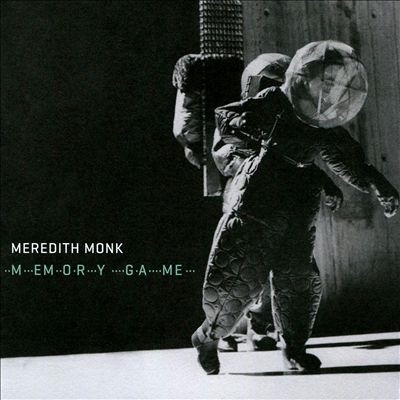
アメリカ現代における「総合芸術」の第一人者メレディス・モンク。1960年代から斬新なヴォイス・パフォーマンスを行い、数多くのアーティストに多大な影響を与え続けている彼女ですが、このアルバムでは過去作品に新たなアレンジを加えながら、自身のキャリアを振り返るという、まさにアルバム・タイトル「Memory Game」そのままの世界を披露しています。
長らく彼女と活動を共にしているブレックマン、スニフィン、ガイシンガーが演奏に参加、オリジナルのスタイルを継承しながらも、どこまでも斬新な表現を追求するモンクの意欲に圧倒される1枚です。
ナクソス・ジャパン
発売・販売元 提供資料(2020/04/20)
アメリカ現代における"総合芸術"の第一人者メレディス・モンク。1960年代から斬新なヴォイス・パフォーマンスを行い、数多くのアーティストに多大な影響を与え続けている彼女ですが、このアルバムでは過去作品に新たなアレンジを加えながら、自身のキャリアを振り返るという、まさにアルバム・タイトル『Memory Game』そのままの世界を披露しています。長らく彼女と活動を共にしているブレックマン、スニフィン、ガイシンガーが演奏に参加、オリジナルのスタイルを継承しながらも、どこまでも斬新な表現を追求するモンクの意欲に圧倒される1枚です。 (C)RS
JMD(2020/04/15)
Meredith Monks music, even more so than that of her fellow minimalists, has been embedded in dance and multimedia presentations tied to a specific place and time. But Memory Game suggests that her works, like those of Arvo Part, flourish in new arrangements and will survive separation from their original contexts. The album includes a variety of little-known, but thoroughly enjoyable Monk works, rearranged for voices (mostly) and small ensemble by members of the venerable New York avant-garde group Bang on a Can All-Stars. The arrangements emphasize the deadpan space travel-ethnography texts, as well as the wordless vocalizing. The bulk of the program is given over to a new version of Monks 1983 work The Games, which was originally for 16 voices, synthesizer, keyboards, Flemish bagpipes, bagpipes, Chinese horn, and rauschpfeife. The simpler version here emphasizes the text in a way that the original doesnt, but its not fundamentally different stuff, and it comes out well. The rest of the album contains shorter works that preserve and highlight Monks collection of vocalizations, slides, and nonsense syllables. The Waltz in 5s, which is exactly what it sounds like, was arranged by Monk herself, with Allison Sniffin, while Tokyo Cha Cha is the type of Monk piece writer Grego Applegate Edwards has likened to pop art. All of it is arresting and deceptively simple. The recording was made not for Monks longtime home at ECM, but for the Cantaloupe label: it is beautifully engineered and often hypnotic. A real find for Monk fans that points to where her music will be in the public mind ten years hence. ~ James Manheim
Rovi
Meredith Monks music, even more so than that of her fellow minimalists, has been embedded in dance and multimedia presentations tied to a specific place and time. But Memory Game suggests that her works, like those of Arvo Part, flourish in new arrangements and will survive separation from their original contexts. The album includes a variety of little-known, but thoroughly enjoyable Monk works, rearranged for voices (mostly) and small ensemble by members of the venerable New York avant-garde group Bang on a Can All-Stars. The arrangements emphasize the deadpan space travel-ethnography texts, as well as the wordless vocalizing. The bulk of the program is given over to a new version of Monks 1983 work The Games, which was originally for 16 voices, synthesizer, keyboards, Flemish bagpipes, bagpipes, Chinese horn, and rauschpfeife. The simpler version here emphasizes the text in a way that the original doesnt, but its not fundamentally different stuff, and it comes out well. The rest of the album contains shorter works that preserve and highlight Monks collection of vocalizations, slides, and nonsense syllables. The Waltz in 5s, which is exactly what it sounds like, was arranged by Monk herself, with Allison Sniffin, while Tokyo Cha Cha is the type of Monk piece writer Grego Applegate Edwards has likened to pop art. All of it is arresting and deceptively simple. The recording was made not for Monks longtime home at ECM, but for the Cantaloupe label: it is beautifully engineered and often hypnotic. A real find for Monk fans that points to where her music will be in the public mind ten years hence.
Rovi