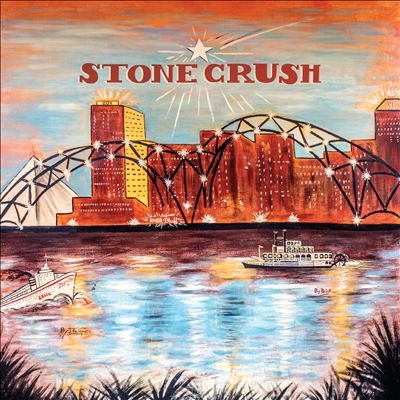
今年度ソウル・コンピの最高峰。メンフィス・ソウルの真髄がここに。
STAX~Hiに代表される、ソウル・ミュージックの聖地、メンフィス産の極上にしてレア音源を、10年以上の歳月をかけ、発掘~コンパイルしたファン垂涎のコンピレーションが登場。リリースは日本の音楽ファンにもエクスクルーシヴな作品で定評のある米LIGHT IN THE ATTICから。DJ~コレクター号泣のキラーモダン・ソウル~ブギーの連続に心が躍り、サザン・ソウルで故郷に戻ったかのような安心感に包まれる。まさに至福の時。
(C)グランツリー武蔵小杉店:河田 良介
タワーレコード(2020/06/26)
Memphis soul connote two specific sounds for most listeners: the tight, gritty rhythms of Stax and the sensuous grooves of Hi Records, home of Al Green. Legendary labels they may be, but both imprints were essentially dried up by the late 1970s, with Stax shuttering its doors in 1975 and Hi moving to the west coast after being acquired by Al Bennett. The imprints may have been gone but Memphians continued to make music, hustling to enter the studio with hopes of landing their big break. Light in the Attics 2020 compilation Stone Crush: Memphis Modern Soul 1977-1987 chronicles this aftermath, rounding up 18 tracks (19 in its digital incarnation; the bonus track, Mark Anthony & Lyte Speeds Im a Boogie Roller, also appears as an extra 45 in the LP set) released on minuscule indies and private press in the decade separating the decline of soul and rise of hip-hop. Its an era that contains hangovers of soul and funk, appropriated disco, secularized gospel, revived harmony groups, and flirtations with the synth-saturated Minneapolis sound, but very little in the way of rap. Look closely at the credits (the set contains a scene-setting overview by Robert Gordon and individual track notes and bios by Andria Lisle), and it becomes clear that some of the tracks sound a bit older than they are; these are artists who werent chasing trends so much as pursuing their passion, blissfully unaware of passing trends. This slight disconnect is important to understanding why this music remained anchored in Memphis: even if the artists wound up receiving a good set of breaks, somehow surmounting their lack of distribution, they were making music that was of and for their hometown. All of the featured artists were raised on their citys blend of spirituals, blues, and R&B, some had some tangential ties to the existing music industry, and nearly all of them managed to enter the studio just once. Consequently, these recordings crackle with enthusiasm, and that energy almost eclipses the pro forma writing. Songcraft isnt the key to Stone Crush. Rather, its the enthusiasm of the performances, a vibe that translates to DayGlo-colored funk and neon-lit soul thats quite alluring. Perhaps there are no major individual tracks among these 18 works, but ultimately the sum is greater than the parts. Stone Crush winds up being a cultural document of a part of Memphis musical history that has previously been known only to collectors and for that alone, its quite valuable. ~ Stephen Thomas Erlewine
Rovi