ベートーヴェン唯一のオペラ『フィデリオ』
そのオリジナルの姿、『レオノーレ』(第1稿)をヤーコプスが録音!
台詞部分も徹底検証 緊迫かつ充実の演奏!
『フィデリオ』の真の姿を世に問う!
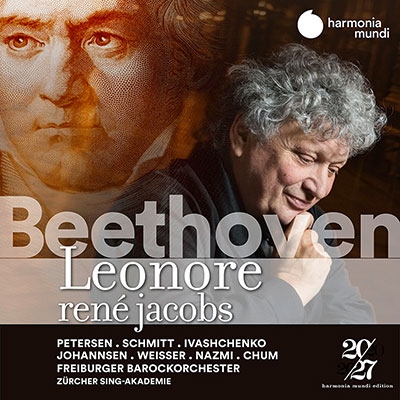
ベートーヴェン・イヤーに注目のリリースの登場です!ヤーコプスが『レオノーレ』(第1稿)を録音しました!ベートーヴェン唯一のオペラ『フィデリオ』(1814)には、3つの稿が存在していますが、現在では、1814年の最終形ともいえる『フィデリオ』がレパートリーとなっています。これに逆らうように、ヤーコプスが『フィデリオ』の原型ともいえる『レオノーレ』第1稿を録音しました!
1805年に完成された第1稿は、初演時の様々な不運な状況もあり、失敗に終わりました。その後2度改訂され、1814年の稿が現在でも演奏されています。1805年の初稿と、第2稿以降で大きく違う点は、第1稿が3幕構成なのに対し、第2稿以降は2幕構成になっていること。また、第1稿で重要なウェイトを占めた台詞部分も、第2稿以降ではかなり縮小されています。ヤーコプスはこの第1稿の大きな魅力である台詞部分にも注目し、ゾンライトナーの台本を尊重しつつ、原作のフランス語の小説にあたるなどして、多少の編集を施しながら、言葉づかいを現代に近づけています。たとえば冒頭序曲の次も、この第1稿ではセリフ劇から始まります(現行の『フィデリオ』では二重唱)。この「レオノーレ」第1稿は、音楽的にもストーリー的にも比類なきクオリティを持っており、オーケストラと歌唱陣の両者に高度な技術を要求します。ヤーコプスと彼が選んだメンバーたちだからこそ実現できた、素晴らしい録音の登場です!
=「フィデリオ」と「レオノーレ」のタイトルについて=
ベートーヴェンは1805年第1稿初演当初から「レオノーレ」というタイトルでの上演を希望していましたが、興業主側が他の作曲家による前作と区別するために「フィデリオ」というタイトルで上演するよう要求しました。1806年のベートーヴェンの自費出版による台本、および1810年出版のヴォーカル・スコアにはタイトルは「レオノーレ」をあり、現在では一般に最初の2つの稿を「レオノーレ」、そして第3稿にあたる現行の稿を「フィデリオ」と呼んでいます。
キングインターナショナル
発売・販売元 提供資料(2020/04/27)
Beethovens sole opera Fidelio, Op. 72, is known primarily in a version from 1814, but it actually had its premiere in 1805, under the title Leonore, in French-occupied Vienna. This first attempt was given for an audience of French soldiers who did not speak German, and unsurprisingly it bombed. Beethoven took the advice of friends and made major cuts, while also experimenting with several different overtures that have all been deployed in the opera and performed as independent orchestral works. This is not the first performance of the 1805 Leonore, but its hardly common. John Eliot Gardiner conducted the opera in the 1990s with his Orchestre Revolutionnaire et Romantique, and here historical-performance conductor Rene Jacobs argues that it is the preferred version of the opera. Historical instruments (on this recording the Freiburg Baroque Orchestra) with their typically quick tempos work well here. The opera is in three acts (cut to two in all subsequent versions), and Jacobs catches the large lines holding each act together. The singers, led by Marlis Petersen in the title role and Maximilian Schmitt as Florestan, are not powerhouses but fit the performance nicely. The whole ensemble just seems to get the mood of the music and its links to Mozarts Die Zauberflote, K. 620, whose impresario also commissioned Leonore. Perhaps less desirable is the modernization of the libretto, from Jacobs pen, complete with contemporary jokes. The recording is from a live performance at the Philharmonie de Paris; the same performers had done the music before, and the ensemble work is confident and strong. A definite must for the perfect Beethovenian.
Rovi
ベートーヴェンの序曲『レオノーレ』は第2番が素晴らしい! ヤーコプスによるそのオペラの全曲録音は第2番を序曲として演奏。その素晴らしさに狂喜した。続く音楽やレチタティーヴォも全部を一気に聴くことができた。彼の指揮によるモーツァルト『フィガロの結婚』録音以上の名演奏。今聴くべきソプラノのマルリス・ペーターゼンのレオノーレが絶品。大仰な歌唱でなく、人間性に溢れて親近感がある。フロレスタンを歌うマキリミリアン・シュミットと歌う、叫ばず音楽的な二重唱は聴きどころ。フライブルク・バロック・オーケストラは音を叩きつけず、心地よい弾力性と歌心がある演奏を繰り広げている。
intoxicate (C)雨海秀和
タワーレコード(vol.144(2020年2月20日発行号)掲載)