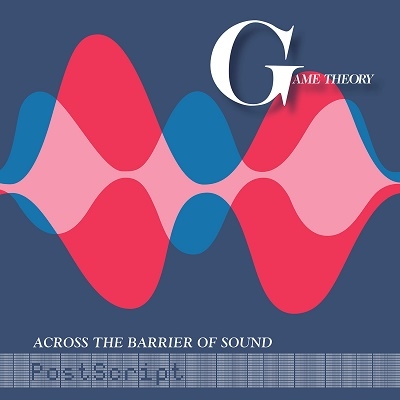
ALTERNATE LEARNING~GAME THEORY~THE LOUD FAMILYといったバンドで活動し、2013年に惜しくも53歳でこの世を去った、凝った音楽性と文学からの影響を色濃く見せる歌詞でファンを魅了してきたシンガー・ソングライター:スコット・ミラー。彼のカルト的な人気を決定づけたとも言える、80年代USインディ・ギター・ポップ・シーンを駆け抜けたバンドが、このGAME THEORYだ。
トッド・ラングレンやビッグ・スターらが持っていた60年代、70年代のパワー・ポップ的要素にポスト・パンクのパワーを融合させた彼らは、1980年代、5枚のアルバムとすうまいのEPをリリースした。この数年間、彼らのオリジナル・アルバムのリマスター&エクスパンデッド・プロジェクトがOmnivoure Recordingsから発表されてきたが、2017年に5作目『2 STEPS FROM THE MIDDLE AGES』のリマスター&エクスパンデッド・エディションのリリースをリリースしたところで一区切りするかと思われていたこのプロジェクトに、新たな一頁が加わった。
1989年~1990年のGAME THEORY最後のラインナップとなる、スコット・ミラー(Vo./ G.)に元The Three O'Clockのマイケル・クエリコ(Michael Querico - B / Dr / Back Vo)、ジョゼフ・ベッカー(Dr. / B)、ギル・レイ(G/Key)は、ツアーを行ったものの、アルバムをリリースすることはなかったのだった。
もし、そのGAME THEORY最後のラインナップでアルバムをリリースしたら、一体どんなサウンドになっていたのだろうか――そんなファンの妄想を掻き立てるようなアルバムがリリースとなる。本作『ACROSS THE BARRIER OF SOUND: POSTSCRIPT』は、その最後のラインナップによるライヴ・レコーディングやホーム&スタジオ・レコーディングを集めたレア・トラック集である。ファン・クラブの会員向けに限定盤としてリリースされた「Treat It Like My Own」以外は全て未発表となるこれらの音源は、運よくそのライヴを観た人以外、耳にしたことがないはずの貴重なものばかり。(中には、後にスコット・ミラーとジョゼフ・ベッカーが結成したTHE LOUD FAMILYのアルバムに別な形で収録されることになる楽曲もあるが)
収録されている楽曲のなかには、スコット・ミラーのオリジナル・ナンバーのほか、彼のポップなソングライティング・センスとアート・ロック風要素の源流が窺える、ブライアン・イーノの「Needle In The Camel's Eye」やThe Nazzの「Forget All About It」のカヴァーや、マイケルが所属していたThe Three O'Clockのナンバーや、スコットが敬愛するBig Starのナンバーなども含まれている。サブタイトルに"あとがき"を意味する"Postscript"が付いているように、この作品はGAME THEORYの歴史本編の最後に付け加えられた一頁かも知れない。しかし、本作だけでも素晴らしいアルバムとして成立している1枚だ。
発売・販売元 提供資料(2019/12/13)
Any Game Theory fan who bought the 1990 career retrospective Tinker to Evers to Chance (Selected Highlights 1982-1989) knows that Scott Miller formed a fresh edition of the band after the lineup that recorded 1988s Two Steps from the Middle Ages fell apart, even recording new versions of two early GT tracks for the collection. However, what happened after that has been a mystery to most followers of Miller and his music; little evidence of the activities of the last days of Game Theory surfaced, and none seemed forthcoming. That abruptly changed with the 2020 release of Across the Barrier of Sound: Postscript, an anthology that brings together studio recordings, demos, and live tracks from the 1989-1990 version of Game Theory, with Miller joined by Gil Ray, who previously played drums with GT, on guitar and keyboards; Jozef Becker, who worked with Miller in his pre-GT group Alternate Learning, on drums; and Michael Quercio, formerly of the Three OClock, on bass. (The LP release features 14 songs, with ten more added on digital editions.) Only three of these tracks -- Treat It Like My Own, Rose of Sharon, and Water -- have been previously released, and those only on cassettes handed out to members of the Game Theory fan club. There are full-bodied studio takes of My Free Ride, Idiot Son, and Inverness here, but most of this material is drawn from demos Miller recorded at home. The full-band recordings are the work of a leaner, more concise Game Theory, with far less reliance on keyboards and punchier, more straightforward drumming, especially on the live recording of The Door Into Summer (which Quercio jokingly introduces as a song by Naked Eyes, while Miller patiently tells the crowd it was actually by the Monkees). As for the demos, many of the songs will be familiar to fans of Millers later project, the Loud Family, as he repurposed most of them for their debut album, 1992s Plants and Birds and Rocks and Things. Millers home-brewed recordings may lack the power of the Loud Family arrangements, but his songs appear fully formed, and even if the lyrics changed on a few of these songs, the rough drafts capture the magic of his melodies and the excellence of his guitar work with true eloquence. And it speaks to Millers distinct vision that the three songs co-written with Quercio have a noticeably different personality, not necessarily jarring but clearly different from the others; while never shy about citing his influences, Miller really didnt sound much like his peers. Across the Barrier of Sound: Postscript was assembled from scraps and cast-offs, but it coheres almost as well as one of Millers proper albums, and this music is a joyous yet powerful reminder of how much we lost when Miller died in 2013. If you ever enjoyed his work, youll revel in this. ~ Mark Deming
Rovi