World/Reggae
LPレコード

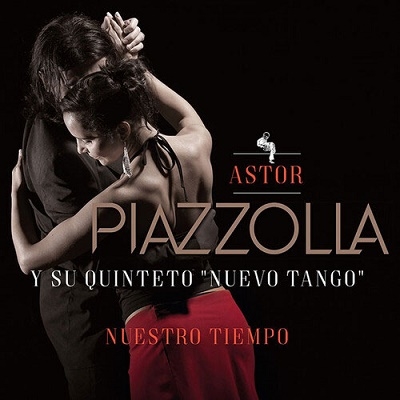
Nuestro Tiempo

0.0

販売価格

¥
3,490
税込
還元ポイント

販売中

在庫わずか
発送目安
当日~翌日

在庫状況 について

・各種前払い決済は、お支払い確認後の発送となります(Q&A)

フォーマット LPレコード
発売日 2019年10月04日
国内/輸入 輸入
レーベルVinyl Passion
構成数 1
パッケージ仕様 -
規格品番 VP90126
SKU 8719039005857

構成数 : 1枚

  1. 1.[LPレコード]
    1. 1.
      Introduccion Al Angel

      アーティスト: Astor Piazzolla

    2. 2.
      Muerte Del Angel

      アーティスト: Astor Piazzolla

    3. 3.
      Milonga Triste

      アーティスト: Astor Piazzolla

    4. 4.
      Sin Retorno

      アーティスト: Astor Piazzolla

    5. 5.
      Imagenes 676

      アーティスト: Astor Piazzolla

    6. 6.
      Nuestro Tiempo

      アーティスト: Astor Piazzolla

    7. 7.
      Rosa Rio

      アーティスト: Astor Piazzolla

    8. 8.
      Simple

      アーティスト: Astor Piazzolla

    9. 9.
      Todo Fue

      アーティスト: Astor Piazzolla

    10. 10.
      Los Mareados

      アーティスト: Astor Piazzolla

作品の情報

メイン
アーティスト: Astor Piazzolla

商品の紹介

The Astor Piazzolla Edicion critica being undertaken by the Argentine branch of Sony/BMG aims to reissue many of Piazzolla's original recordings, in CD form, with their original artwork and sequencing. The original notes by Piazzolla himself are on one side of a square sheet folded in quarters and serving as the booklet; additional notes, a biography, and the original cover artwork are on the other side. All the notes are in Spanish only, probably a mistake given Piazzolla's international popularity, but Spanish readers will enjoy Piazzolla's elegant and just slightly tongue-in-cheek commentary. The best thing about the series is that most of the albums included have long been unavailable in their original forms. The present disc, Nuestro Tiempo, was reissued by Sony in Japan as part of its six-disc Piazzolla series, but the original LP may well be hard to find even in Argentina. Nuestro Tiempo dates from 1962, early in the career of Piazzolla's Quinteto Tango Nuevo or New Tango Quintet, and as much as any other release it shows Piazzolla hitting his stride and fully exploring the modern tango-classical fusion idiom that has been his legacy. Like others in the series, the album presents a vision of Piazzolla somewhat different from the one formed as he achieved worldwide renown in his old age. There are three vocal selections featuring singer Hector de Rosas, one of them with a text by Piazzolla's late daughter Diana. Unlike on some of the earlier Piazzolla releases, the progressive idiom penetrates these as well; they seem like precursors to Piazzolla's 1968 tango opera Maria de Buenos Aires. Most of the instrumental pieces, with the major exception of La Muerte del angel (track 2) and its associated Introduccion al angel, are not among the big Piazzolla hits, but the consistently experimental quality of the material is compelling throughout, with echoes of Bartok and Stravinsky and of forward-edge American jazz in addition to Piazzolla's usual French influences. The pure, rarefied gloom of the mature Piazzolla is here only in a few spots, but that is just one aspect of his output. Sample the grim opening, quartal harmonies, and dissonant antiphony in the quizzically titled (even for Piazzolla) Imagenes 676, for instance. This piece appears on no other Piazzolla album, and it suggests how completely Piazzolla's classic pieces rested on a foundation of true experimentation. The whole album is strongly recommended, even for those planning to buy just a few releases in this series. The album includes four bonus tracks from another 1962 LP by vocalist Roberto Yanes, with Piazzolla and his group serving as accompanists; these are intriguing in that they show Piazzolla's ability to play it straight even at this late date, but they're not really of a piece with the rest of the music.~James Manheim
Rovi

The Astor Piazzolla Edicion critica being undertaken by the Argentine branch of Sony/BMG aims to reissue many of Piazzolla's original recordings, in CD form, with their original artwork and sequencing. The original notes by Piazzolla himself are on one side of a square sheet folded in quarters and serving as the booklet; additional notes, a biography, and the original cover artwork are on the other side. All the notes are in Spanish only, probably a mistake given Piazzolla's international popularity, but Spanish readers will enjoy Piazzolla's elegant and just slightly tongue-in-cheek commentary. The best thing about the series is that most of the albums included have long been unavailable in their original forms. The present disc, Nuestro Tiempo, was reissued by Sony in Japan as part of its six-disc Piazzolla series, but the original LP may well be hard to find even in Argentina. Nuestro Tiempo dates from 1962, early in the career of Piazzolla's Quinteto Tango Nuevo or New Tango Quintet, and as much as any other release it shows Piazzolla hitting his stride and fully exploring the modern tango-classical fusion idiom that has been his legacy. Like others in the series, the album presents a vision of Piazzolla somewhat different from the one formed as he achieved worldwide renown in his old age. There are three vocal selections featuring singer Hector de Rosas, one of them with a text by Piazzolla's late daughter Diana. Unlike on some of the earlier Piazzolla releases, the progressive idiom penetrates these as well; they seem like precursors to Piazzolla's 1968 tango opera Maria de Buenos Aires. Most of the instrumental pieces, with the major exception of La Muerte del angel (track 2) and its associated Introduccion al angel, are not among the big Piazzolla hits, but the consistently experimental quality of the material is compelling throughout, with echoes of Bartok and Stravinsky and of forward-edge American jazz in addition to Piazzolla's usual French influences. The pure, rarefied gloom of the mature Piazzolla is here only in a few spots, but that is just one aspect of his output. Sample the grim opening, quartal harmonies, and dissonant antiphony in the quizzically titled (even for Piazzolla) Imagenes 676, for instance. This piece appears on no other Piazzolla album, and it suggests how completely Piazzolla's classic pieces rested on a foundation of true experimentation. The whole album is strongly recommended, even for those planning to buy just a few releases in this series. The album includes four bonus tracks from another 1962 LP by vocalist Roberto Yanes, with Piazzolla and his group serving as accompanists; these are intriguing in that they show Piazzolla's ability to play it straight even at this late date, but they're not really of a piece with the rest of the music.
Rovi

メンバーズレビュー

レビューを書いてみませんか?

読み込み中にエラーが発生しました。

画面をリロードして、再読み込みしてください。