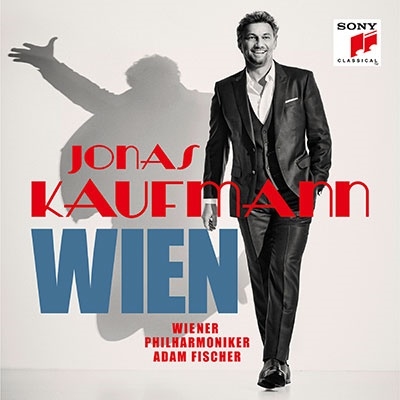
ヨナス・カウフマンが音楽の都『ウィーン』に捧げた永遠の歌唱。共演は何とアダム・フィッシャー指揮ウィーン・フィル!
世界のオペラ界が出演を熱望するヨナス・カウフマンのニューアルバムは、『ウィーン』と題され、1870年から1950年にかけて作曲された、オペレッタの名アリア、そしてウィーンのポピュラー・ソングをたっぷり収録しています。
19世紀末から20世紀前半にかけてのウィーンでは、ヨハン・シュトラウスの「こうもり」や「ヴェネツィアの夜」、レハールの「メリー・ウィドウ」などのオペレッタが続々と生み出され、その中のアリアや二重唱は瞬く間にヒット・ナンバーとして愛唱されるようになりました。またロベルト・シュトルツやハンス・メイ、ヘルマン・レオポルドらによって作曲された、ウィーンをテーマにしたポピュラー・ソングが一世を風靡したのでした。これらは、20世紀の名テノール歌手であるリヒャルト・タウバー、ルドルフ・ショック、フリッツ・ヴンダーリッヒらが、長年にわたって歌い続けた魅力的な歌でもあります。
カウフマンはこれらの歌が大好きで、1993年に喜歌劇「ヴェネツィアの一夜」の主役を歌いプロとしてのキャリアをスタートさせたほど。それ以来長年にわたって温め続けてきた構想がようやく新しいアルバムとして結実したのです。またカウフマンは2014年に20世紀初頭のドイツで人気を博したアリアやポピュラー・ソングを収録した『君は我が心の全て』を発表していますが、今作はそのウィーン版・続編ともいえるでしょう。
このアルバムは、アダム・フィッシャー指揮のウィーン・フィルがバックをつとめるという豪華盤。ニューイヤー・コンサートや「こうもり」を除いて、ヨハン・シュトラウスやオペレッタのレパートリーを取り上げることがないウィーン・フィルが、敢えて起用され、華麗なウィーンの響きをまき散らしています。また、デュエット曲には、2019年9月の英国ロイヤル・オペラ来日公演「ファウスト」でのマルグリート役を演じるレイチェル・ウィリス=ソレンセンが起用され、美しいリリックで優美なフレージングが花を添えています。
ソニー・ミュージック
発売・販売元 提供資料(2019/09/13)
In an interview that serves as the booklet for this Sony release, tenor Jonas Kaufmann relates his various connections to the musical tradition of Vienna, including family vacations in Austria when he was young and close study of the music. He recalls being rebuked by a teacher for using the wrong Viennese accent, and there are still more arcane references that those of the German cultural sphere are more likely to get than others. This is all to the good (you can look them up), and all of this is to say that Wien is something more than a Viennese greatest-hits album from Kaufmann. There are indeed a few familiar operetta tunes here, such as Wiener Blut, Wiener Blut, and the arch-romantic Komm in die Gondel, one of a lovely trio of tunes from Eine Nacht in Venedig. However, there are also lesser-known operetta selections where Kaufmann excels. Sample the delicious Zwei Marchenaugen (Two Fairy-Tale Eyes) from Die Zirkusprinzessin by the underrated Emmerich Kalman. Operetta occupies the middle of the program, but the beginning and end are devoted to popular songs, which went by the French name of chanson. This is less-trodden territory, and Kaufmann approaches it with enthusiasm. He forges a distinctive, almost conversational voice that never overwhelms the material, and there are some real unknown gems here like Der Tod, das muss ein Wiener sein, with a text by the great satirist Georg Kreisler. That song, accompanied by piano, closes the program; elsewhere, you hear the Wiener Philharmoniker (Vienna Philharmonic) conducted by Adam Fischer, who is equally versed in this musics subtleties. Along the way, you get to hear Kaufmann try out some of the Viennese accents he learned earlier. Booklet texts are given in English, not German; perhaps space restraints made this necessary, but a link to the German texts would have been desirable. That is the end of the list of complaints about this delightful release, a must for Kaufmann lovers.
Rovi