Rock/Pop
CDアルバム

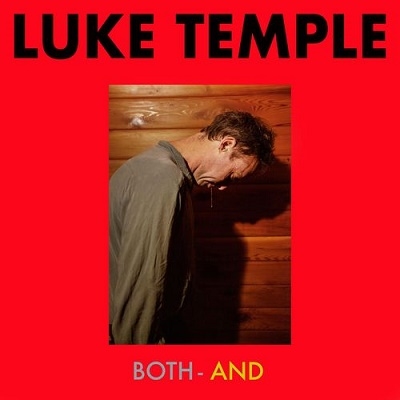
Both-And

0.0

販売価格

¥
2,490
税込
還元ポイント

在庫状況 について

フォーマット CDアルバム
発売日 2019年09月下旬
国内/輸入 輸入
レーベルNative Cat Recordings
構成数 1
パッケージ仕様 -
規格品番 NC008
SKU 850010198057

構成数 : 1枚
合計収録時間 : 00:45:15
By the arrival of Both-And, his debut for Native Cat Recordings, Luke Temple had released music varying from pastoral folk to experimental pop to cosmic jams and spaces in between under his own name, under the alias Art Feynman, and with Here We Go Magic. Always unpredictable from album to album, particularly in terms of palette and adherence to song structures, any attempt to lay out a coherent sound trajectory for Temple's catalog should probably be tossed out the window. Having said that, Both-And feels a bit like a consummation of prior works, at least in that it offers varied electronic-acoustic textures and examples of improvisational atmospheres, free-form song, and stricter verse-and-chorus tunes. His first Luke Temple album since the poignant folk of 2016's A Hand Through the Cellar Door, it can also be viewed as another diversion. In between albums, he relocated from New York to Northern California (West Marin), whose physical landscapes were one of the inspirations for the album. Quietly sprawling and meditative on average, it opens with the blippy electronics, muted percussion, and piano of "(O)," one of three brief instrumentals spread across the track list. Like many but not all of the tracks here, it transitions into the next track without an audible break, as sustained tones connect it to "Don't Call Me Windy." What sound like hand drums and claves soon set a brisk tempo for that song, which introduces Temple's soothing, gossamer vocals and typically impressionistic lyrics. Only a handful of times on the 45-minute set do more-structured, rhythmic songs interrupt the soft patter and hum of Temple's sonic vistas. Two of these, "Taking Chances" and "Empty Promises," appear back-to-back midway through. The former opens with percussive chords that establish the base of a grooving, melodic song. It evolves into a psychedelic jam before collapsing into mechanical bleeps. Per Temple, the elegant "Empty Promises" was inspired in part by Brazilian songwriter Milton Nascimento. Tuneful folk ("Henry in Forever Phases"), druggy expanses ("200,000,000 Years of Fucking"), and avant-garde pastiche are among the remaining tracks, though Both-And closes with the yearning "Walking Iris," a return to acoustic guitar-based song -- all of which should be of worthwhile interest to followers. ~ Marcy Donelson

  1. 1.[CDアルバム]
    1. 1.
      (O)

      アーティスト: Luke Temple

    2. 2.
      Don't Call Me Windy

      アーティスト: Luke Temple

    3. 3.
      Wounded Brightness

      アーティスト: Luke Temple

    4. 4.
      (D)

      アーティスト: Luke Temple

    5. 5.
      Given Our Good Life

      アーティスト: Luke Temple

    6. 6.
      Taking Chances

      アーティスト: Luke Temple

    7. 7.
      Empty Promises

      アーティスト: Luke Temple

    8. 8.
      Henry in Forever Phases

      アーティスト: Luke Temple

    9. 9.
      200,000,000 Years of Fucking

      アーティスト: Luke Temple

    10. 10.
      Least of Me

      アーティスト: Luke Temple

    11. 11.
      (A)

      アーティスト: Luke Temple

    12. 12.
      Walking Iris

      アーティスト: Luke Temple

作品の情報

メイン
アーティスト: Luke Temple

オリジナル発売日:2019年

商品の紹介

By the arrival of Both-And, his debut for Native Cat Recordings, Luke Temple had released music varying from pastoral folk to experimental pop to cosmic jams and spaces in between under his own name, under the alias Art Feynman, and with Here We Go Magic. Always unpredictable from album to album, particularly in terms of palette and adherence to song structures, any attempt to lay out a coherent sound trajectory for Temple's catalog should probably be tossed out the window. Having said that, Both-And feels a bit like a consummation of prior works, at least in that it offers varied electronic-acoustic textures and examples of improvisational atmospheres, free-form song, and stricter verse-and-chorus tunes. His first Luke Temple album since the poignant folk of 2016's A Hand Through the Cellar Door, it can also be viewed as another diversion. In between albums, he relocated from New York to Northern California (West Marin), whose physical landscapes were one of the inspirations for the album. Quietly sprawling and meditative on average, it opens with the blippy electronics, muted percussion, and piano of "(O)," one of three brief instrumentals spread across the track list. Like many but not all of the tracks here, it transitions into the next track without an audible break, as sustained tones connect it to "Don't Call Me Windy." What sound like hand drums and claves soon set a brisk tempo for that song, which introduces Temple's soothing, gossamer vocals and typically impressionistic lyrics. Only a handful of times on the 45-minute set do more-structured, rhythmic songs interrupt the soft patter and hum of Temple's sonic vistas. Two of these, "Taking Chances" and "Empty Promises," appear back-to-back midway through. The former opens with percussive chords that establish the base of a grooving, melodic song. It evolves into a psychedelic jam before collapsing into mechanical bleeps. Per Temple, the elegant "Empty Promises" was inspired in part by Brazilian songwriter Milton Nascimento. Tuneful folk ("Henry in Forever Phases"), druggy expanses ("200,000,000 Years of Fucking"), and avant-garde pastiche are among the remaining tracks, though Both-And closes with the yearning "Walking Iris," a return to acoustic guitar-based song -- all of which should be of worthwhile interest to followers. ~ Marcy Donelson|
Rovi

By the arrival of Both-And, his debut for Native Cat Recordings, Luke Temple had released music varying from pastoral folk to experimental pop to cosmic jams and spaces in between under his own name, under the alias Art Feynman, and with Here We Go Magic. Always unpredictable from album to album, particularly in terms of palette and adherence to song structures, any attempt to lay out a coherent sound trajectory for Temples catalog should probably be tossed out the window. Having said that, Both-And feels a bit like a consummation of prior works, at least in that it offers varied electronic-acoustic textures and examples of improvisational atmospheres, free-form song, and stricter verse-and-chorus tunes. His first Luke Temple album since the poignant folk of 2016s A Hand Through the Cellar Door, it can also be viewed as another diversion. In between albums, he relocated from New York to Northern California (West Marin), whose physical landscapes were one of the inspirations for the album. Quietly sprawling and meditative on average, it opens with the blippy electronics, muted percussion, and piano of (O), one of three brief instrumentals spread across the track list. Like many but not all of the tracks here, it transitions into the next track without an audible break, as sustained tones connect it to Dont Call Me Windy. What sound like hand drums and claves soon set a brisk tempo for that song, which introduces Temples soothing, gossamer vocals and typically impressionistic lyrics. Only a handful of times on the 45-minute set do more-structured, rhythmic songs interrupt the soft patter and hum of Temples sonic vistas. Two of these, Taking Chances and Empty Promises, appear back-to-back midway through. The former opens with percussive chords that establish the base of a grooving, melodic song. It evolves into a psychedelic jam before collapsing into mechanical bleeps. Per Temple, the elegant Empty Promises was inspired in part by Brazilian songwriter Milton Nascimento. Tuneful folk (Henry in Forever Phases), druggy expanses (200,000,000 Years of Fucking), and avant-garde pastiche are among the remaining tracks, though Both-And closes with the yearning Walking Iris, a return to acoustic guitar-based song -- all of which should be of worthwhile interest to followers. ~ Marcy Donelson
Rovi

メンバーズレビュー

レビューを書いてみませんか?

読み込み中にエラーが発生しました。

画面をリロードして、再読み込みしてください。