〈オンライン&マケプレ〉全品15%ポイント還元キャンペーン開催期間:2025年12月25日(木)0:00~12月26日(金)23:59まで![※期間中のご予約・お取り寄せ・ご注文が対象 ※店舗取置・店舗予約サービスは除く]
World/Reggae
CDアルバム

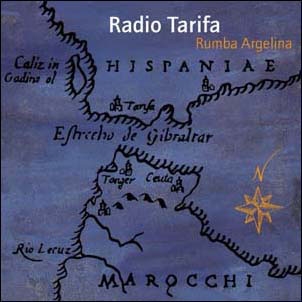
Rumba Argelina

0.0

販売価格

¥
3,190
税込
ポイント15%還元

販売中

お取り寄せ
発送目安
14日~35日

お取り寄せの商品となります

入荷の見込みがないことが確認された場合や、ご注文後40日前後を経過しても入荷がない場合は、取り寄せ手配を終了し、この商品をキャンセルとさせていただきます。

フォーマット CDアルバム
発売日 2019年10月04日
国内/輸入 輸入
レーベルWorld Circuit
構成数 1
パッケージ仕様 -
規格品番 WDCC168382
SKU 4050538516838

構成数 : 1枚
合計収録時間 : 00:55:49
Radio Tarifa includes: Fain Sanchez Duenas (percussion). The concept of this debut album from Spain's leading roots ensemble is that you are listening to a radio broadcast in Tarifa, Spain's southernmost point, so that you might hear a mixture of sounds from Spain and North Africa. And indeed fuzzy, distant radio sounds introduce one song and close the album. The album features an incredible variety of instruments, including among many others: guitar, tar (Persian lute), buzuki (Greek mandolin), derbouka (North African clay drum), ney (Arabic flute), crumhorn (a loud, buzzing Medieval wind instrument), and the Indian harmonium. The group is not shy about including modern popular instruments like soprano and tenor saxophone, electric organ, and electric bass. The album features almost as many styles as it does instruments, yet they tend to come together as one new style, rather than sounding like a musical salad. The album starts off with the title track, a smooth mix of rumba and flamenco. "Oye, China" is a love lament that plays the layered clip-clop rhythm of the plucked instruments off the more continuous sounds of the accordion and the breathy nsuri (Indian bamboo flute). "Lamma bada" is a straight reading of one of the most oft-played tunes of the Arab world, using Radio Tarifa's favored instruments, retaining the song's modal structure (i.e., all the instruments, even the bass, playing the same line at once). One song later in the album stands out from all the rest. It is an adaptation of a song by a Medieval troubadour named Walter von der Vogelweide originally called "Nu Alrest Lebe Ich Mir Werde," but which Radio Tarifa simply calls "Nu Alrest." Dominated by the crumhorns and the melancholy tenor of Javier Raibal, "Nu Alrest" carries a potent charge of fantasy and sadness, conjuring images of crossing the desert alone on camel. It is imagination like this that makes Rumba Argelina one of the most important world music albums of the 1990s. ~ Kurt Keefner

  1. 1.[CDアルバム]
    1. 1.
      Benjamin Escoriza
    2. 2.
      Cuco Perez
    3. 3.
      Lamma Bada
    4. 4.
      Manana
    5. 5.
      La Canal
    6. 6.
      El Baile De La Bola
    7. 7.
      Soledad
    8. 8.
      La Mosca
    9. 9.
      Tangos Del Agujero
    10. 10.
      Nu Alrest
    11. 11.
      La Pastora
    12. 12.
      Ronda De Sanabria
    13. 13.
      Bulerias Turcas
    14. 14.
      Nina

作品の情報

メイン
アーティスト: Radio Tarifa

商品の紹介

The concept of this debut album from Spain's leading roots ensemble is that you are listening to a radio broadcast in Tarifa, Spain's southernmost point, so that you might hear a mixture of sounds from Spain and North Africa. And indeed fuzzy, distant radio sounds introduce one song and close the album. The album features an incredible variety of instruments, including among many others: guitar, tar (Persian lute), buzuki (Greek mandolin), derbouka (North African clay drum), ney (Arabic flute), crumhorn (a loud, buzzing Medieval wind instrument), and the Indian harmonium. The group is not shy about including modern popular instruments like soprano and tenor saxophone, electric organ, and electric bass. The album features almost as many styles as it does instruments, yet they tend to come together as one new style, rather than sounding like a musical salad. The album starts off with the title track, a smooth mix of rumba and flamenco. "Oye, China" is a love lament that plays the layered clip-clop rhythm of the plucked instruments off the more continuous sounds of the accordion and the breathy nsuri (Indian bamboo flute). "Lamma bada" is a straight reading of one of the most oft-played tunes of the Arab world, using Radio Tarifa's favored instruments, retaining the song's modal structure (i.e., all the instruments, even the bass, playing the same line at once). One song later in the album stands out from all the rest. It is an adaptation of a song by a Medieval troubadour named Walter von der Vogelweide originally called "Nu Alrest Lebe Ich Mir Werde," but which Radio Tarifa simply calls "Nu Alrest." Dominated by the crumhorns and the melancholy tenor of Javier Raibal, "Nu Alrest" carries a potent charge of fantasy and sadness, conjuring images of crossing the desert alone on camel. It is imagination like this that makes Rumba Argelina one of the most important world music albums of the 1990s. ~ Kurt Keefner|
Rovi

The concept of this debut album from Spain's leading roots ensemble is that you are listening to a radio broadcast in Tarifa, Spain's southernmost point, so that you might hear a mixture of sounds from Spain and North Africa. And indeed fuzzy, distant radio sounds introduce one song and close the album. The album features an incredible variety of instruments, including among many others: guitar, tar (Persian lute), buzuki (Greek mandolin), derbouka (North African clay drum), ney (Arabic flute), crumhorn (a loud, buzzing Medieval wind instrument), and the Indian harmonium. The group is not shy about including modern popular instruments like soprano and tenor saxophone, electric organ, and electric bass. The album features almost as many styles as it does instruments, yet they tend to come together as one new style, rather than sounding like a musical salad. The album starts off with the title track, a smooth mix of rumba and flamenco. "Oye, China" is a love lament that plays the layered clip-clop rhythm of the plucked instruments off the more continuous sounds of the accordion and the breathy nsuri (Indian bamboo flute). "Lamma bada" is a straight reading of one of the most oft-played tunes of the Arab world, using Radio Tarifa's favored instruments, retaining the song's modal structure (i.e., all the instruments, even the bass, playing the same line at once). One song later in the album stands out from all the rest. It is an adaptation of a song by a Medieval troubadour named Walter von der Vogelweide originally called "Nu Alrest Lebe Ich Mir Werde," but which Radio Tarifa simply calls "Nu Alrest." Dominated by the crumhorns and the melancholy tenor of Javier Raibal, "Nu Alrest" carries a potent charge of fantasy and sadness, conjuring images of crossing the desert alone on camel. It is imagination like this that makes Rumba Argelina one of the most important world music albums of the 1990s. ~ Kurt Keefner
Rovi

メンバーズレビュー

レビューを書いてみませんか?

読み込み中にエラーが発生しました。

画面をリロードして、再読み込みしてください。