Jazz
CDアルバム
特典あり

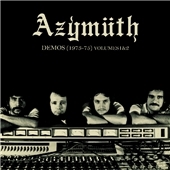
Demos (1973-75) Vol.1&2

0.0

販売価格

¥
3,590
税込
還元ポイント

販売中

在庫わずか
発送目安
当日~翌日

在庫状況 について

・各種前払い決済は、お支払い確認後の発送となります(Q&A)

フォーマット CDアルバム
発売日 2019年06月07日
国内/輸入 輸入
レーベルFar Out Recordings
構成数 1
パッケージ仕様 -
規格品番 FAOU2102
SKU 827565062621

特典情報


スマホサイズステッカー(融合祭ポスター絵柄)

※対象期間:2025年10月6日 0時~特典無くなり次第終了
※2025年10月6日 0時以降にカートに入れたご注文が特典対象となります。


※特典は満了次第終了となりますので予めご了承ください。
※複数枚を一回でご注文された場合、商品がすべて揃うまでに特典の保管期間(発売日もしくはキャンペーン開始日より1ヶ月)を経過すると、自動的に特典付与対象外となります。
※タワーレコード店舗とオンラインでは特典の運用状況が異なる場合がございます。店舗でのご購入で特典ご希望のお客様は、各店舗に運用状況をご確認ください。

構成数 : 1枚
合計収録時間 : 01:14:07
Brazil's Azymuth are among the most important jazz fusion bands of the 1970s and '80s. Ultimately, they are best representative of Brazilian jazz in the post-bossa nova era, and as the creators of an influential hybrid music -- comprised of elements of jazz, MPB, funk, and prog rock -- known as "samba doido" (crazy samba). Their music has transcended genre boundaries and influenced two generations of musicians, beatmakers, DJs, and producers, as well as jazzers on both sides the Atlantic. While their catalog is ample evidence of this, Demos 1973-75, Vols. 1 & 2 presents an aural view of the then-quartet preparing to reveal a sound that confronted the Brazilian jazz tradition before changing it forever, putting a geographical signifier on jazz-funk which was then exported to the world.
Keyboardist Jose Roberto Bertrami, electric bassist Alex Malheiros, drummer Ivan Conti, and percussionist Ariovaldo Contesini (who left before they recorded their 1975 self-titled debut album) were, at the time of their formation, already established, in-demand session players. All were born in 1946 and had paid their dues in bossa, samba, and MPB. They worked together in various combinations before coming together to back Marcos Valle on a soundtrack recording; they even took their name from one of his songs. Bertrami was also a noted arranger with a major-label deal who possessed a truckload of the most modern keyboard and recording gear in his home studio where these tapes were made. Azymuth's vision is amply displayed by the few tracks here that made it onto later albums -- "Prefacio," two versions of "Xingo," and the subsequent hit "Manha" among them. They reveal Azymuth as already formed, with a complete musical identity. When Bertrami presented these demos to labels, they were rejected as "wrong." It's no wonder: Check the insane synth distortion on "Xingo (Version 1)," or the proto-funk-fusion of "Melo da Cuica," with Malheiros's rubbery bassline. "Laranjeiras" offers a nod to Miles' "All Blues" before transmuting into a B-3 prog fusion ballad. The percussion and bird sounds that introduce "Duro de Roher" are buoyed by intense Conti rolls, fills, and breaks as Malheiros' bass pushes back furiously and Bertrami colors the implied melody with angular, funky synth textures and spacy Fender Rhodes piano. "Tempos Da Parana" is a hallucinatory exercise in nocturnal groove with killer interplay from the rhythm section surrounding melodic Rhodes vamps and solos. "Quem Tem Mado," with its Mission Impossible nod, prefigures the furious jazz-funk Azymuth would deliver on the monumental Telecommunication years later. "Juntos Misa uma Vez" is quintessential futuristic soul-jazz delivered with a summertime groove amid swelling organ and spidery synths over a breaking snare shuffle and an elegant yet dirty bassline. Many demo collections simply aren't worth the time, as they consist of reject material, bad sound, and incomplete ideas. None of this is true of Demos. It is an invaluable document that further evaluates Azymuth's massive and ongoing contribution (with keyboardist and arranger Kiko Continentino replacing the late Bertrami). Marvelous. ~ Thom Jurek

  1. 1.[CDアルバム]
    1. 1.
      Prefacio
    2. 2.
      Castelo (Version 1)
    3. 3.
      Melo Da Cuica
    4. 4.
      Xingo (Version 1)
    5. 5.
      Laranjeiras
    6. 6.
      Equipe 68
    7. 7.
      Unknown Jam
    8. 8.
      Unknown Song for Mario Telles
    9. 9.
      Duro De Roer
    10. 10.
      Manha
    11. 11.
      Tempos Do Paranha
    12. 12.
      Bateria Do Mamao
    13. 13.
      Quem Tem Medo
    14. 14.
      Xingo (Version 2)
    15. 15.
      Juntos Mais Uma Vez
    16. 16.
      Castelo (Version 2)

作品の情報

メイン
アーティスト: Azymuth

オリジナル発売日:2019年

商品の紹介

Brazil's Azymuth are among the most important jazz fusion bands of the 1970s and '80s. Ultimately, they are best representative of Brazilian jazz in the post-bossa nova era, and as the creators of an influential hybrid music -- comprised of elements of jazz, MPB, funk, and prog rock -- known as "samba doido" (crazy samba). Their music has transcended genre boundaries and influenced two generations of musicians, beatmakers, DJs, and producers, as well as jazzers on both sides the Atlantic. While their catalog is ample evidence of this, Demos 1973-75, Vols. 1 & 2 presents an aural view of the then-quartet preparing to reveal a sound that confronted the Brazilian jazz tradition before changing it forever, putting a geographical signifier on jazz-funk which was then exported to the world.
Keyboardist Jose Roberto Bertrami, electric bassist Alex Malheiros, drummer Ivan Conti, and percussionist Ariovaldo Contesini (who left before they recorded their 1975 self-titled debut album) were, at the time of their formation, already established, in-demand session players. All were born in 1946 and had paid their dues in bossa, samba, and MPB. They worked together in various combinations before coming together to back Marcos Valle on a soundtrack recording; they even took their name from one of his songs. Bertrami was also a noted arranger with a major-label deal who possessed a truckload of the most modern keyboard and recording gear in his home studio where these tapes were made. Azymuth's vision is amply displayed by the few tracks here that made it onto later albums -- "Prefacio," two versions of "Xingo," and the subsequent hit "Manha" among them. They reveal Azymuth as already formed, with a complete musical identity. When Bertrami presented these demos to labels, they were rejected as "wrong." It's no wonder: Check the insane synth distortion on "Xingo (Version 1)," or the proto-funk-fusion of "Melo da Cuica," with Malheiros's rubbery bassline. "Laranjeiras" offers a nod to Miles' "All Blues" before transmuting into a B-3 prog fusion ballad. The percussion and bird sounds that introduce "Duro de Roher" are buoyed by intense Conti rolls, fills, and breaks as Malheiros' bass pushes back furiously and Bertrami colors the implied melody with angular, funky synth textures and spacy Fender Rhodes piano. "Tempos Da Parana" is a hallucinatory exercise in nocturnal groove with killer interplay from the rhythm section surrounding melodic Rhodes vamps and solos. "Quem Tem Mado," with its Mission Impossible nod, prefigures the furious jazz-funk Azymuth would deliver on the monumental Telecommunication years later. "Juntos Misa uma Vez" is quintessential futuristic soul-jazz delivered with a summertime groove amid swelling organ and spidery synths over a breaking snare shuffle and an elegant yet dirty bassline. Many demo collections simply aren't worth the time, as they consist of reject material, bad sound, and incomplete ideas. None of this is true of Demos. It is an invaluable document that further evaluates Azymuth's massive and ongoing contribution (with keyboardist and arranger Kiko Continentino replacing the late Bertrami). Marvelous. ~ Thom Jurek|
Rovi

メンバーズレビュー

レビューを書いてみませんか?

読み込み中にエラーが発生しました。

画面をリロードして、再読み込みしてください。