販売価格
販売中
お取り寄せお取り寄せの商品となります
入荷の見込みがないことが確認された場合や、ご注文後40日前後を経過しても入荷がない場合は、取り寄せ手配を終了し、この商品をキャンセルとさせていただきます。
| フォーマット | CDアルバム |
| 発売日 | 2019年02月22日 |
| 国内/輸入 | 輸入 |
| レーベル | Smithsonian Folkways |
| 構成数 | 1 |
| パッケージ仕様 | - |
| 規格品番 | SFWCD40232 |
| SKU | 093074023228 |
構成数 : 1枚
合計収録時間 : 00:52:13
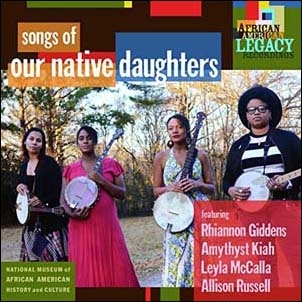
The Smithsonian Folkways-issued debut album from Carolina Chocolate Drops frontwoman Rhiannon Giddens, former Carolina Chocolate Drops cellist Leyla McCalla, multi-instrumentalist Allison Russell (Po' Girl, Birds of Chicago), and alt-country/blues singer/songwriter Amythyst Kiah, Songs of Our Native Daughters is a bold, brutal, and often beautiful dissertation on racism, hope, misogyny, agency, and slavery told from the perspective of four of modern roots music's most talented women, who also happen to be black. That all four artists are adept banjo players is no fluke, as that distinctly American instrument has been at the forefront of the country's musical evolution since the 1800s, though almost always via the hands of a white male. Looking to the past for inspiration, from Creole culture and minstrelsy to the abolitionist and suffrage movements, the quartet have constructed a set of songs that are grounded in centuries of suffering, yet resolute in their humanity. Steely and soulful opener "Black Myself," led by Kiah, is built off a line from Sid Hemphill's Alan Lomax recording of "John Henry" ("I don't like no red-black woman/black myself, black myself"). That mythic steel driver is invoked by Kiah again on the galloping bluegrass romp "Polly Ann's Hammer," which sees John's wife, who was every bit his equal when it came to swinging a maul, getting to tell her side of the story. Giddens turns an old minstrel instrumental song on its head with "Better Git Yer Learnin'," which eschews the lewdness and derogatory imagery of the style for an honest post-emancipation primer ("the white folks they will write the show/if you can't read you'll never know"). Most potent of all is Giddens' "Barbados," a wordless lament book ended by a pair of poems: the first, an anti-slavery piece by English poet William Cowper, and the second, a response by co-producer and frequent Giddens collaborator Dirk Powell that shows how little has changed. As harrowing as the material can be, it's the music that carries the weight. Echoes of mbaqanga and highlife find their way into "Moon Meets Sun" and "Music and Joy," both of which find solace in the simple pleasures of song and dance, and Russell's robust, gospel-tinged "You're Not Alone" uses motherhood as a metaphor for resilience, resistance, and acceptance, bringing to a close this powerful, personal, and much-needed retelling of American history. ~ James Christopher Monger
読み込み中にエラーが発生しました。
画面をリロードして、再読み込みしてください。