Jazz
CDアルバム

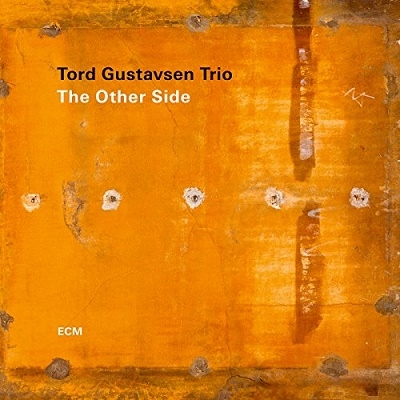
The Other Side

0.0

販売価格

¥
3,490
税込
還元ポイント

販売中

在庫わずか
発送目安
当日~翌日

在庫状況 について

・各種前払い決済は、お支払い確認後の発送となります(Q&A)

フォーマット CDアルバム
発売日 2018年08月31日
国内/輸入 輸入
レーベルECM
構成数 1
パッケージ仕様 -
規格品番 6751618
SKU 602567516187

構成数 : 1枚
合計収録時間 : 00:53:28
Personnel: Tord Gustavsen (piano, electronics); Sigurd Hole (double bass); Jarle Vespestad (drums). Liner Note Author: Hans Frederik Asbjornsen. Recording information: Rainbow Studio, Oslo (01/2018). After 11 years, pianist and composer Tord Gustavsen returns to the trio format on The Other Side, following a trilogy of internationally celebrated albums that began in 2003 and ended in 2007. After original bassist Harald Johnsen suddenly passed in 2011, Gustavsen worked in quartets, quintets, and frequent side ventures with choirs, fiddle players, and Iranian musicians. Here, the pianist and Jarle Vespestad -- who has drummed on all of Gustavsen's albums -- are joined by bassist Sigurd Hole, whose eclectic approach involves drawing on influences from folk music and modern jazz. He is a natural fit with the pianist's drawn-out and evolving sense of melody and harmony. The Other Side represents a new beginning, one that exists in its own space apart from the larger group outings, but also separate from the previous trio. This group is more inquisitive than assertive -- whether playing one of Gustavsen's seven originals, traditional songs, or the three adaptations of J.S. Bach compositions.The set opens with "The Tunnel," which has been part of the group's live set for some time. It emerges as a languid, minor-key song, save for the pianist's looking toward the melody's edges to open up subtler shades of meaning. It's nearly a processional with a circular return, but within it are deft if brief interstitial periods of improvisation. The dialogue between Gustavsen and Hole in the midsection -- where hymnody is hinted at but never stated explicitly -- is delicious. "Kirken, den er et Gammelt Hus," by Danish composer/folklorist/organist Ludvig Matthias Lindeman, commences with a skeletal bass solo framed by delicate electronics before syncopated, whispering snares and hi-hats create space for the melody to assert itself in Gustavsen's thematic piano statement, which is broken down to elementals before a transformative reconstruction in the trio's own image. Cascading layers of middle-register arpeggios focus on two phrases, articulating them with shifting rhythms, fills, and accents. "Duality" possesses an inquisitive interpolation of Hole's arco improvisations, Vespestad's gently rumbling tom-toms and cymbal washes, and Gustavsen's blues-tinged chord shapes. Bach's "Schlafes Bruder" is rearranged as a dark little groover, with Vespestad's snare dancing along the thematic outline before the pianist feints against the bassline and adds its sacred melody to soul and folk interpolations. The title track is almost majestic in its minimal way, as a pronounced chordal, hymn-like melody follows a circular drum and bass vamp, gently asserting itself in rounds with other articulations of voice layered in, walking the line between soul-jazz, the church, and near modal post-bop. The closer, "Curves," is introduced as a near-spectral solo piano meditation on Bill Evans-ian harmony. As the rhythm section becomes more engaged, it unfolds very gradually to reveal itself as a deeply emotive jazz ballad. The Other Side offers an expanded version of Gustavsen's trio signature. It retains the elemental articulations of melodic focus that made the previous version unique, but asks far more questions of the material needing to deliver answers, creating a constantly evolving, affirmative body of music. ~ Thom Jurek

  1. 1.[CDアルバム]
    1. 1.
      The Tunnel
    2. 2.
      Kirken, deen er et Gammelt Hus
    3. 3.
      Re-Melt
    4. 4.
      Duality
    5. 5.
      Ingen Vinner Frem Til den Evige Ro
    6. 6.
      Taste and See
    7. 7.
      Schafes Bruder
    8. 8.
      Jesu, Meine Freude/Jesus, det Eneste
    9. 9.
      The Other Side
    10. 10.
      O Traurigkeit
    11. 11.
      Left Over Lullaby No. 4
    12. 12.
      Curves

作品の情報

メイン
アーティスト: Tord Gustavsen Trio

商品の紹介

2007年の『Being There』以来となるトルド・グスタフセン・トリオの4作目。
ここ10年はカルテットやサンサンブルなどフォーマットを変えてアルバムを発表してきたが、本作では新たなベーシストを迎えトリオで帰ってきた。
2018年1月にオスロのレインボウ・スタジオで録音、ドラマーは信頼の置ける長年のバンド・メイトJarle Vespestad, そして新ベーシストはSigurd Holeとみんなノルウェー出身。Holeのベースのアプローチはフォークとモダン・ジャズの影響を多分に含み、グスタフセンのゆっくりと進行し、深まってゆくメロディックな楽曲には理想的なスタイル。もちろんプロデュースを手掛けるのはManfred Eicher。
発売・販売元 提供資料(2018/07/20)

After 11 years, pianist and composer Tord Gustavsen returns to the trio format on The Other Side, following a trilogy of internationally celebrated albums that began in 2003 and ended in 2007. After original bassist Harald Johnsen suddenly passed in 2011, Gustavsen worked in quartets, quintets, and frequent side ventures with choirs, fiddle players, and Iranian musicians. Here, the pianist and Jarle Vespestad -- who has drummed on all of Gustavsen's albums -- are joined by bassist Sigurd Hole, whose eclectic approach involves drawing on influences from folk music and modern jazz. He is a natural fit with the pianist's drawn-out and evolving sense of melody and harmony. The Other Side represents a new beginning, one that exists in its own space apart from the larger group outings, but also separate from the previous trio. This group is more inquisitive than assertive -- whether playing one of Gustavsen's seven originals, traditional songs, or the three adaptations of J.S. Bach compositions.The set opens with "The Tunnel," which has been part of the group's live set for some time. It emerges as a languid, minor-key song, save for the pianist's looking toward the melody's edges to open up subtler shades of meaning. It's nearly a processional with a circular return, but within it are deft if brief interstitial periods of improvisation. The dialogue between Gustavsen and Hole in the midsection -- where hymnody is hinted at but never stated explicitly -- is delicious. "Kirken, den er et Gammelt Hus," by Danish composer/folklorist/organist Ludvig Matthias Lindeman, commences with a skeletal bass solo framed by delicate electronics before syncopated, whispering snares and hi-hats create space for the melody to assert itself in Gustavsen's thematic piano statement, which is broken down to elementals before a transformative reconstruction in the trio's own image. Cascading layers of middle-register arpeggios focus on two phrases, articulating them with shifting rhythms, fills, and accents. "Duality" possesses an inquisitive interpolation of Hole's arco improvisations, Vespestad's gently rumbling tom-toms and cymbal washes, and Gustavsen's blues-tinged chord shapes. Bach's "Schlafes Bruder" is rearranged as a dark little groover, with Vespestad's snare dancing along the thematic outline before the pianist feints against the bassline and adds its sacred melody to soul and folk interpolations. The title track is almost majestic in its minimal way, as a pronounced chordal, hymn-like melody follows a circular drum and bass vamp, gently asserting itself in rounds with other articulations of voice layered in, walking the line between soul-jazz, the church, and near modal post-bop. The closer, "Curves," is introduced as a near-spectral solo piano meditation on Bill Evans-ian harmony. As the rhythm section becomes more engaged, it unfolds very gradually to reveal itself as a deeply emotive jazz ballad. The Other Side offers an expanded version of Gustavsen's trio signature. It retains the elemental articulations of melodic focus that made the previous version unique, but asks far more questions of the material needing to deliver answers, creating a constantly evolving, affirmative body of music. ~ Thom Jurek
Rovi

メンバーズレビュー

レビューを書いてみませんか?

読み込み中にエラーが発生しました。

画面をリロードして、再読み込みしてください。