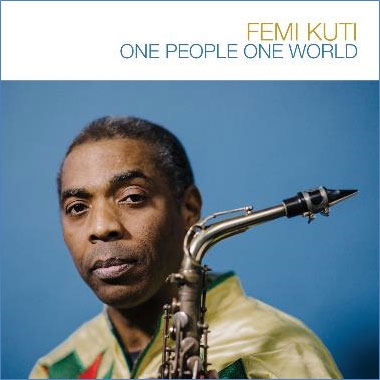
| フォーマット | CDアルバム |
| 発売日 | 2018年02月23日 |
| 国内/輸入 | 輸入 |
| レーベル | Wichita |
| 構成数 | 1 |
| パッケージ仕様 | - |
| 規格品番 | KFR11422 |
| SKU | 720841114222 |
構成数 : 1枚
合計収録時間 : 01:00:13
Personnel: Femi Anikulapo-Kuti (vocals, saxophone, trumpet, organ); Rico Kerridge, Awomolo Opeyemi (guitar); Adebanjo Ayodeji (tenor saxophone); Magbagbeola Ayoola (baritone saxophone); Gbenga Ogundeji, Sowunmi Dayo (trumpet); Ankra Babatunde (trombone); Omorinmade Anikulapo-Kuti (keyboards, bass guitar); Patrick Goraguer (keyboards, drums); Ajayi Olywaseun (keyboards); Aghedo Andrew (bass guitar); Ayodele Alaba (drums); Imeh Akpan (shaker); Igor Vince, Fanibe Mathew (percussion); Onome Kate-Udi, Bernard Antonia, Adigun Olajumoke (dancer, background vocals); Jonathan Broda.
Audio Mixer: Sodi .
Recording information: KOGA Studio (Ikeja/LAgos/Nigeria).
Editors: Benjamin Louvet; Victor Demoete; Victor Cristani.
Photographers: Raphael Frydman; Damilola Damisa.
In the five years between Femi Kuti's Grammy-nominated No Place for My Dream and One People One World, he's been a busy man. He regularly performs at The Shrine, the performance space he built as a memorial to his late father Fela Kuti, he's a touring musician, and he also serves as a traveling ambassador for Amnesty International. (He also found time in 2017 to break the Guinness world record for the longest-held single note on a saxophone -- 51 minutes and 35 seconds.)
One People One World is Kuti's tenth album with his longstanding band Positive Force and its musical director and guitarist Opeyemi Awomolo. Unlike the righteous anger that inspired almost all of his previous recordings, One People One World is by contrast more affirmative; it's celebratory without sacrificing its activism. While Afrobeat is at the core of these 12 songs, Kuti picks up on the mosaic he began weaving on No Place for My Dream by incorporating the harmonies and rhythms of reggae, highlife, soul, R&B, hip-hop, and other global sounds into its mix, adding depth and complexity without sacrificing immediacy and accessibility. The title-track single commences with driving Afrobeat horns, but the rest of the band erupts into calypso and highlife celebration as Kuti and his backing singers deny racism, greed, and hatred the power to conquer the earth. With an infectious, swinging organ, "Africa Will Be Great Again" is a protest jam that details the corruption and greed that hold her back as a continent, but its pulsing wave of salsa, soca, and highlife makes it an irresistible anthem as Kuti posits the reclamation of the continent as the cradle of civilization and the heartbeat of the world. The D'Angelo-esque soul in "It's Best to Live on the Good Side" is carried by slinky, bubbling basslines, vamping R&B guitars, and a swirling organ. When the horns enter, thunder cracks as circular drumming and percussion thread in Afro-Cuban (Yoruban) rhythms. Second single "Na Their Way Be That" opens with cooking reggae before Femi's soulful saxophone solo and an Afrobeat chant cut in from the margin. "Evil People" is stomping, funky R&B, fueled by J.B.'s-style horns, layers of breakbeat drums, chunky wah-wah guitar, and congas. Immediately following is "Equal Opportunity," where Kuti and his backing chorus evoke the celebratory vibe of Curtis Mayfield's "Move on Up," and add jazzy Rhodes piano and Afrobeat horns and rhythms. Even straight-up Afro-funk jams like "Dem Militarize Democracy" open to embrace driving son rhythms, popping R&B basslines, and souled-out vocal and guitar choruses. The dubwise soul of closer "The Way Our Lives Go" is the set's most poetic and inspiring track. Kuti and Positive Force don't let up at all during One People One World. Impeccably sequenced, it runs from strength to strength, dazzling with expansive sonic textures, killer arrangements, and a musical genre palette that exists seemingly without boundaries. As a recording artist, Kuti has been reliably consistent, but this date is his masterpiece. ~ Thom Jurek
読み込み中にエラーが発生しました。
画面をリロードして、再読み込みしてください。