Rock/Pop
LPレコード

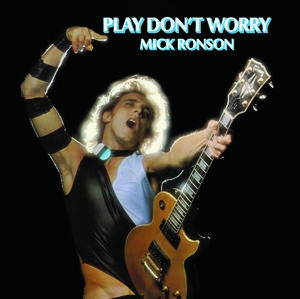
Play Don't Worry

0.0

販売価格

¥
5,990
税込
還元ポイント

販売中

お取り寄せ
発送目安
14日~35日

お取り寄せの商品となります

入荷の見込みがないことが確認された場合や、ご注文後40日前後を経過しても入荷がない場合は、取り寄せ手配を終了し、この商品をキャンセルとさせていただきます。

フォーマット LPレコード
発売日 2017年06月30日
国内/輸入 輸入
レーベルDrastic Plastic Records
構成数 1
パッケージ仕様 -
規格品番 LDR05680
SKU 855971005680

構成数 : 1枚
合計収録時間 : 00:37:21
Contains 9 bonus tracks. Personnel: Mick Ronson (vocals, guitar, keyboards); Vicki Brown, Beverley Baxter (vocals); Jeff Daly (flute, saxophone); Trevor Bolder (horns); Mike Garson (piano, keyboards); Neil Kernon (synthesizer); Ritchie Dharma, Paul Francis, Aynsley Dunbar, Tony Newman (drums). Audio Mixer: Lestyn. Recording information: Scorpio Sound, London, England (1974); Strawberry Studios (1974); Trident Studios, London, England (1974). Photographer: Clive Arrowsmith. Unknown Contributor Role: Tony Newman . Arranger: Mick Ronson. Released one full year after Slaughter on 10th Avenue, Mick Ronson's second solo album, Play Don't Worry, was partially recorded during his brief tenure with Mott the Hoople, and it is no coincidence that the finished item reflected only half of what was really intended. Pair it with bandmate Ian Hunter's own eponymous solo debut, however, and it is not only that duo's own entwined future which spreads out before you, it is also an indication of just how powerful Mott could have been if that combination of players had worked out. Ronson's epic recounting of the Pure Prairie League's "Angel #9" was already part of Mott's live set when they split; so was Hunter's "Lounge Lizard" (from his solo set), and live recordings from the first Hunter-Ronson tour, promoting both Play Don't Worry and Ian Hunter. Those two albums blend with one another seamlessly, to the point that only occasionally, today, do either of them actually live up to either of their makers' reputations. Play Don't Worry certainly has its highlights, however. "Billy Porter," the psycho-on-the-street opening track; the guitar-lick magnificence of "Angel #9"; a killer version of "White Light White Heat," left over from David Bowie's Pin Ups sessions, and the yearning Italian melodrama "Empty Bed"; all echo the highlights of Slaughter on 10th Avenue, but never duplicate them. That album was Ronson finding his way; this one is him knowing precisely where he is, and there's a fiery rendition of Little Richard's "The Girl Can't Help It," rearranged with all the twistingly nostalgic elan which the participants (a pseudonymous Hunter included) could muster, astounds as much for its audacity as for its delivery. But elsewhere, Ronson's own dislike of the solo game shows through, and only gets louder once the album ends and the bonus tracks (appended to the 1997 reissue) kick in. Only two of those tracks date from the Play Don't Worry sessions themselves: a dense and despairing version of Annette Peacock's "Seven Days," and a lifeless alternate take on the regular album's closing "Woman." The remaining tracks were taken in the main from the aborted sessions for a third album which Ronson had no intention of completing. They are interesting for a solo rendition of Bowie's "Soul Love," and a studio version of the coincidentally (but otherwise utterly un-Bowie related) titled "Is There Life on Mars?" which was Ronson's contribution to Dylan's Rolling Thunder Revue. But compared to what Ronson had long since shown himself capable of doing, they are weary and weak, and compared to the live cuts appended to the similarly reissued Slaughter on 10th Avenue (all taken from the still unreleased live album taped at his first solo London gig), they hardly bear repeated plays. ~ Dave Thompson

  1. 1.[LPレコード]
    1. 1.
      Billy Porter
    2. 2.
      Angel No. 9
    3. 3.
      This Is for You
    4. 4.
      White Light/White Heat
    5. 5.
      Play Don't Worry
    6. 6.
      Hazy Days
    7. 7.
      Girl Can't Help It
    8. 8.
      Empty Bed (Io Me Ne Andrei)
    9. 9.
      Woman

作品の情報

メイン
アーティスト: Mick Ronson

商品の紹介

Record Collector (magazine) (p.87) - 3 stars out of 5 -- "Mick's zig-zagging sense of musical adventure keeps listeners on their toes throughout."
Rovi

Released one full year after Slaughter on 10th Avenue, Mick Ronson's second solo album, Play Don't Worry, was partially recorded during his brief tenure with Mott the Hoople, and it is no coincidence that the finished item reflected only half of what was really intended. Pair it with bandmate Ian Hunter's own eponymous solo debut, however, and it is not only that duo's own entwined future which spreads out before you, it is also an indication of just how powerful Mott could have been if that combination of players had worked out. Ronson's epic recounting of the Pure Prairie League's "Angel #9" was already part of Mott's live set when they split; so was Hunter's "Lounge Lizard" (from his solo set), and live recordings from the first Hunter-Ronson tour, promoting both Play Don't Worry and Ian Hunter. Those two albums blend with one another seamlessly, to the point that only occasionally, today, do either of them actually live up to either of their makers' reputations. Play Don't Worry certainly has its highlights, however. "Billy Porter," the psycho-on-the-street opening track; the guitar-lick magnificence of "Angel #9"; a killer version of "White Light White Heat," left over from David Bowie's Pin Ups sessions, and the yearning Italian melodrama "Empty Bed"; all echo the highlights of Slaughter on 10th Avenue, but never duplicate them. That album was Ronson finding his way; this one is him knowing precisely where he is, and there's a fiery rendition of Little Richard's "The Girl Can't Help It," rearranged with all the twistingly nostalgic elan which the participants (a pseudonymous Hunter included) could muster, astounds as much for its audacity as for its delivery. But elsewhere, Ronson's own dislike of the solo game shows through, and only gets louder once the album ends and the bonus tracks (appended to the 1997 reissue) kick in. Only two of those tracks date from the Play Don't Worry sessions themselves: a dense and despairing version of Annette Peacock's "Seven Days," and a lifeless alternate take on the regular album's closing "Woman." The remaining tracks were taken in the main from the aborted sessions for a third album which Ronson had no intention of completing. They are interesting for a solo rendition of Bowie's "Soul Love," and a studio version of the coincidentally (but otherwise utterly un-Bowie related) titled "Is There Life on Mars?" which was Ronson's contribution to Dylan's Rolling Thunder Revue. But compared to what Ronson had long since shown himself capable of doing, they are weary and weak, and compared to the live cuts appended to the similarly reissued Slaughter on 10th Avenue (all taken from the still unreleased live album taped at his first solo London gig), they hardly bear repeated plays. ~ Dave Thompson
Rovi

メンバーズレビュー

レビューを書いてみませんか?

読み込み中にエラーが発生しました。

画面をリロードして、再読み込みしてください。