Jazz
LPレコード

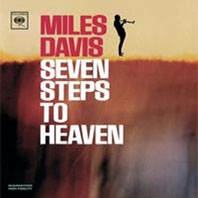
Seven Steps To Heaven

0.0

販売価格

¥
10,690
税込
ポイント15%還元

在庫状況 について

フォーマット LPレコード
発売日 2021年02月05日
国内/輸入 輸入
レーベルAnalogue Productions
構成数 1
パッケージ仕様 -
規格品番 AAPJ8851
SKU 753088001710

構成数 : 1枚
合計収録時間 : 00:00:00
Personnel: Miles Davis (trumpet); George Coleman (tenor saxophone); Victor Feldman, Herbie Hancock (piano); Ron Carter (bass); Tony Williams, Frank Butler (drums). Recorded in Hollywood, California in April 1963 and in New York, New York in May 1963. Seven Steps to Heaven finds Miles Davis standing yet again on the fault line between stylistic epochs. In early 1963, pianist Wynton Kelly, bassist Paul Chambers, and drummer Jimmy Cobb left to form their own trio, and Davis was forced to form a new band, which included Memphis tenor player George Coleman and bassist Ron Carter. When Davis next entered the studio in Hollywood, he added local drummer Frank Butler and British studio ace Victor Feldman, who ultimately decided not to go on the road with Davis. It's easy to see why Davis liked Feldman, who contributed the dancing title tune and "Joshua" to the session. On three mellifluous standards -- particularly a cerebral "Basin Street Blues" and a broken-hearted "I Fall in Love Too Easily" -- the pianist plays with an elegant, refined touch, and the kind of rarefied voicings that suggest Ahmad Jamal. Davis responds with some of his most introspective, romantic ballad playing. When Davis returned to New York he finally succeeded in spiriting away a brilliantly gifted 17-year-old drummer from Jackie McLean: Tony Williams. On the title tune you can already hear the difference, as his crisp, driving cymbal beat and jittery, aggressive syncopations propel Davis into the upper reaches of his horn. On "So Near, So Far" the drummer combines with Carter and new pianist Herbie Hancock to expand on a light Afro-Cuban beat with a series of telepathic changes in tempo, texture, and dynamics. Meanwhile, Feldman's "Joshua" (with its overtones of "So What" and "All Blues") portends the kind of expressive variations on the basic 4/4 pulse that would become the band's trademark, as Davis and Coleman ascend into bebop heaven.

Basin Street Blues
Seven Steps To Heaven
I Fall In Love Too Easily
So Near, So Far
Baby Won't You Please Come Home
Joshua

  1. 1.[LPレコード]
    1. 1.
      Basin Street Blues
    2. 2.
      Seven Steps to Heaven
    3. 3.
      I Fall in Love Too Easily
    4. 4.
      So Near, So Far
    5. 5.
      Baby Won't You Please Come Home
    6. 6.
      Joshua

作品の情報

メイン
アーティスト: Miles Davis

ゲスト

商品の紹介

Down Beat (9/92, p.42) - 3.5 Stars - Good Plus - "...the band's extended treatments of old favorites "Basin St. Blues" and "Baby Won't You Please Come Home" are memorable..."
Rovi

Seven Steps to Heaven finds Miles Davis standing yet again on the fault line between stylistic epochs. In early 1963, pianist Wynton Kelly, bassist Paul Chambers, and drummer Jimmy Cobb left to form their own trio, and Davis was forced to form a new band, which included Memphis tenor player George Coleman and bassist Ron Carter. When Davis next entered the studio in Hollywood, he added local drummer Frank Butler and British studio ace Victor Feldman, who ultimately decided not to go on the road with Davis. It's easy to see why Davis liked Feldman, who contributed the dancing title tune and "Joshua" to the session. On three mellifluous standards -- particularly a cerebral "Basin Street Blues" and a broken-hearted "I Fall in Love Too Easily" -- the pianist plays with an elegant, refined touch, and the kind of rarefied voicings that suggest Ahmad Jamal. Davis responds with some of his most introspective, romantic ballad playing. When Davis returned to New York he finally succeeded in spiriting away a brilliantly gifted 17-year-old drummer from Jackie McLean: Tony Williams. On the title tune you can already hear the difference, as his crisp, driving cymbal beat and jittery, aggressive syncopations propel Davis into the upper reaches of his horn. On "So Near, So Far" the drummer combines with Carter and new pianist Herbie Hancock to expand on a light Afro-Cuban beat with a series of telepathic changes in tempo, texture, and dynamics. Meanwhile, Feldman's "Joshua" (with its overtones of "So What" and "All Blues") portends the kind of expressive variations on the basic 4/4 pulse that would become the band's trademark, as Davis and Coleman ascend into bebop heaven.
Rovi

メンバーズレビュー

レビューを書いてみませんか?

読み込み中にエラーが発生しました。

画面をリロードして、再読み込みしてください。