Jazz
CDアルバム

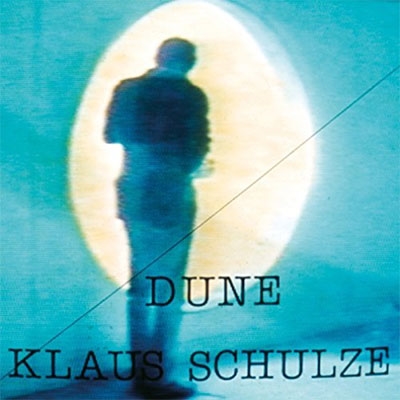
Dune

0.0

販売価格

¥
3,190
税込
還元ポイント

販売中

お取り寄せ
発送目安
14日~35日

お取り寄せの商品となります

入荷の見込みがないことが確認された場合や、ご注文後40日前後を経過しても入荷がない場合は、取り寄せ手配を終了し、この商品をキャンセルとさせていただきます。

フォーマット CDアルバム
発売日 2021年11月26日
国内/輸入 輸入
レーベルMade In Germany Music
構成数 1
パッケージ仕様 デジパック
規格品番 MIG01642
SKU 885513016423

構成数 : 1枚
合計収録時間 : 01:19:49
Personnel: Klaus Schulze (keyboards); Arthur Brown (vocals); Wolfgang Tiepold (cello). Personnel: Klaus Schulze (electronics); Wolfgang Tiepold (cello). Liner Note Author: Albrecht Piltz. Recording information: Hambuhren (04/1979/05/1979). Photographer: Klaus D. Mueller. Translators: Matt Goodluck; Dani Lipka. Klaus Schulze had acknowledged his admiration for Frank Herbert on X, so the decision to devote a new work to Herbert's brilliant novel, Dune, isn't unexpected. What is surprising is how good this piece is; from the opening amorphous forms and alien sounds to the stately synthesizer music that rises by midway, "Dune" is one of Schulze's finest moments. Perhaps it's the absence of percussion or the presence of Wolfgang Tiepold's cello that elevates the musical discussion, but for the first half of this record Schulze throws his hat in with the modern classical masters of the late 20th century and holds his own. Given the somewhat uneven nature of Schulze's catalog, "Dune" is an absolute treasure, filled with subtle shadings and bold colors that seem to represent man's superstitious approximation of the elements of ether. "Shadows of Ignorance" reintroduces percussion and sequencer-driven structure, making the leap from Phaedra to Rubycon in one album. Although the piece contains a long poem written by Schulze, only the initial narration proves problematic, when the music is unfairly back-shelved. But the bulk of Klaus' existential observations are delivered by a half-singing/half-chanting Arthur Brown in harmony with the electronic music and balanced nicely by the cello. The mix of vocals and electronic music does create an interesting kind of Steve Hillage/Tangerine Dream hybrid, and in the end the vocals simply become another point of meditation. Although Klaus Schulze has carved out a style separate and distinct from Tangerine Dream, Dune is more steeped in TD's "classic" idioms than many of his works, making it a logical entryway to his catalog for curious Dream-ers. ~ Dave Connolly
エディション : Reissue

  1. 1.[CDアルバム]
    1. 1.
      Dune
    2. 2.
      Shadows of Ignorance
    3. 3.
      Le Mans

作品の情報

メイン
アーティスト: Klaus Schulze

ゲスト
アーティスト: Arthur Brown

その他
プロデューサー: Klaus Schulze

商品の紹介

Klaus Schulze had acknowledged his admiration for Frank Herbert on X, so the decision to devote a new work to Herbert's brilliant novel, Dune, isn't unexpected. What is surprising is how good this piece is; from the opening amorphous forms and alien sounds to the stately synthesizer music that rises by midway, "Dune" is one of Schulze's finest moments. Perhaps it's the absence of percussion or the presence of Wolfgang Tiepold's cello that elevates the musical discussion, but for the first half of this record Schulze throws his hat in with the modern classical masters of the late 20th century and holds his own. Given the somewhat uneven nature of Schulze's catalog, "Dune" is an absolute treasure, filled with subtle shadings and bold colors that seem to represent man's superstitious approximation of the elements of ether. "Shadows of Ignorance" reintroduces percussion and sequencer-driven structure, making the leap from Phaedra to Rubycon in one album. Although the piece contains a long poem written by Schulze, only the initial narration proves problematic, when the music is unfairly back-shelved. But the bulk of Klaus' existential observations are delivered by a half-singing/half-chanting Arthur Brown in harmony with the electronic music and balanced nicely by the cello. The mix of vocals and electronic music does create an interesting kind of Steve Hillage/Tangerine Dream hybrid, and in the end the vocals simply become another point of meditation. Although Klaus Schulze has carved out a style separate and distinct from Tangerine Dream, Dune is more steeped in TD's "classic" idioms than many of his works, making it a logical entryway to his catalog for curious Dream-ers. ~ Dave Connolly|
Rovi

Klaus Schulze had acknowledged his admiration for Frank Herbert on X, so the decision to devote a new work to Herbert's brilliant novel, Dune, isn't unexpected. What is surprising is how good this piece is; from the opening amorphous forms and alien sounds to the stately synthesizer music that rises by midway, "Dune" is one of Schulze's finest moments. Perhaps it's the absence of percussion or the presence of Wolfgang Tiepold's cello that elevates the musical discussion, but for the first half of this record Schulze throws his hat in with the modern classical masters of the late 20th century and holds his own. Given the somewhat uneven nature of Schulze's catalog, "Dune" is an absolute treasure, filled with subtle shadings and bold colors that seem to represent man's superstitious approximation of the elements of ether. "Shadows of Ignorance" reintroduces percussion and sequencer-driven structure, making the leap from Phaedra to Rubycon in one album. Although the piece contains a long poem written by Schulze, only the initial narration proves problematic, when the music is unfairly back-shelved. But the bulk of Klaus' existential observations are delivered by a half-singing/half-chanting Arthur Brown in harmony with the electronic music and balanced nicely by the cello. The mix of vocals and electronic music does create an interesting kind of Steve Hillage/Tangerine Dream hybrid, and in the end the vocals simply become another point of meditation. Although Klaus Schulze has carved out a style separate and distinct from Tangerine Dream, Dune is more steeped in TD's "classic" idioms than many of his works, making it a logical entryway to his catalog for curious Dream-ers. ~ Dave Connolly
Rovi

メンバーズレビュー

レビューを書いてみませんか?

読み込み中にエラーが発生しました。

画面をリロードして、再読み込みしてください。