Jazz
CDアルバム

Picture Music

5.0

販売価格

¥
6,290
税込
還元ポイント

販売中

お取り寄せ
発送目安
14日~35日

お取り寄せの商品となります

入荷の見込みがないことが確認された場合や、ご注文後40日前後を経過しても入荷がない場合は、取り寄せ手配を終了し、この商品をキャンセルとさせていただきます。

フォーマット CDアルバム
発売日 2016年04月28日
国内/輸入 輸入
レーベルMIG (Made In Germany)
構成数 1
パッケージ仕様 -
規格品番 MIG1502
SKU 885513015020

構成数 : 1枚
合計収録時間 : 01:19:51
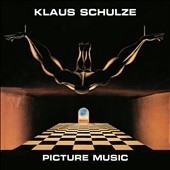
Liner Note Author: Albrecht Piltz. Recording information: Klaus Schulze-Studio, Berlin (1973). Illustrator: Jacques Wyrs. Photographer: Marcel Fugere. Though recorded in August 1973 (shortly after Cyborg), Picture Music was not released until January 1975. The album contains two side-long mantras of electronic meditation, "Totem" and "Mental Door." The first begins with a quiet bubbling of bells (very similar to Mike Oldfield's "Tubular Bells") that is soon pushed into the subconscious by a series of percussive blips and synthetic splashes, accompanied soon after by occasional wisps of ghostly synthesizers. Not until the end of the piece do the percussive pinpricks relent, yielding to a wash of effects and the austere energy plasma sounds that marked Tangerine Dream's work from this period. The sum effect of "Totem" is frankly underwhelming -- both the improvised nature of the music and its limited sonic palette are likely to draw the fire of electronica's critics, although as a focal point of meditation the piece is not without merit. "Mental Door" is more agitated in tone, led by a sinister-sounding keyboard that ensnares the listener like a snake charmer. The frenzied drum playing that appears midway through is fairly impressive, but like Vangelis' Hypothesis, the music's avant-jazz overtones haven't aged especially well, and aren't exactly conducive to meditation (which would seem to be Klaus Schulze's main attraction). Picture Music is more percussive and limited in scope and effect than the work of Tangerine Dream, a vantage point from which many may be approaching Schulze's work. The album has been re-issued a number of time over the years (resulting in two different versions of cover art), including a digitally remastered compact disc available as a Dutch import. ~ Dave Connolly

  1. 1.[CDアルバム]
    1. 1.
      Totem
    2. 2.
      Mental Door
    3. 3.
      C'est Pas La Meme Chose

作品の情報

メイン
アーティスト: Klaus Schulze

商品の紹介

Though recorded in August 1973 (shortly after Cyborg), Picture Music was not released until January 1975. The album contains two side-long mantras of electronic meditation, "Totem" and "Mental Door." The first begins with a quiet bubbling of bells (very similar to Mike Oldfield's "Tubular Bells") that is soon pushed into the subconscious by a series of percussive blips and synthetic splashes, accompanied soon after by occasional wisps of ghostly synthesizers. Not until the end of the piece do the percussive pinpricks relent, yielding to a wash of effects and the austere energy plasma sounds that marked Tangerine Dream's work from this period. The sum effect of "Totem" is frankly underwhelming -- both the improvised nature of the music and its limited sonic palette are likely to draw the fire of electronica's critics, although as a focal point of meditation the piece is not without merit. "Mental Door" is more agitated in tone, led by a sinister-sounding keyboard that ensnares the listener like a snake charmer. The frenzied drum playing that appears midway through is fairly impressive, but like Vangelis' Hypothesis, the music's avant-jazz overtones haven't aged especially well, and aren't exactly conducive to meditation (which would seem to be Klaus Schulze's main attraction). Picture Music is more percussive and limited in scope and effect than the work of Tangerine Dream, a vantage point from which many may be approaching Schulze's work. The album has been re-issued a number of time over the years (resulting in two different versions of cover art), including a digitally remastered compact disc available as a Dutch import. ~ Dave Connolly|
Rovi

Though recorded in August 1973 (shortly after Cyborg), Picture Music was not released until January 1975. The album contains two side-long mantras of electronic meditation, "Totem" and "Mental Door." The first begins with a quiet bubbling of bells (very similar to Mike Oldfield's "Tubular Bells") that is soon pushed into the subconscious by a series of percussive blips and synthetic splashes, accompanied soon after by occasional wisps of ghostly synthesizers. Not until the end of the piece do the percussive pinpricks relent, yielding to a wash of effects and the austere energy plasma sounds that marked Tangerine Dream's work from this period. The sum effect of "Totem" is frankly underwhelming -- both the improvised nature of the music and its limited sonic palette are likely to draw the fire of electronica's critics, although as a focal point of meditation the piece is not without merit. "Mental Door" is more agitated in tone, led by a sinister-sounding keyboard that ensnares the listener like a snake charmer. The frenzied drum playing that appears midway through is fairly impressive, but like Vangelis' Hypothesis, the music's avant-jazz overtones haven't aged especially well, and aren't exactly conducive to meditation (which would seem to be Klaus Schulze's main attraction). Picture Music is more percussive and limited in scope and effect than the work of Tangerine Dream, a vantage point from which many may be approaching Schulze's work. The album has been re-issued a number of time over the years (resulting in two different versions of cover art), including a digitally remastered compact disc available as a Dutch import. ~ Dave Connolly
Rovi

メンバーズレビュー

1件のレビューがあります
5.0
100%
0%
0%
0%
0%
独特の暗さと浮遊感のあるエレクトロニクスに加えてシュルツェはドラムとアクースティック・ギターも演奏。エレクトロとアクースティックの組み合わせといえばDOMの“EDGE OF TIME”も隠れ名盤だしこれもそう。
2007/03/22 Nishaさん
0

読み込み中にエラーが発生しました。

画面をリロードして、再読み込みしてください。