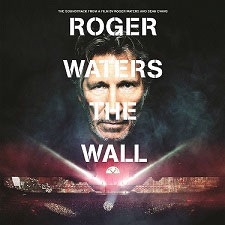
ロジャー・ウォーターズ「The Wall Live」のライヴ作品が登場!ロジャー・ウォーターズの2010年~2013年に行なわれた"The Wall Live"ツアーの模様を追ったドキュメンタリー映画『Roger Waters The Wall』に合わせてリリースされるライヴ作品。"TheWall Live"ツアーはピンク・フロイドが1979年に発表したコンセプト・アルバム『ザ・ウォール』を完全再現するもので、演奏が進むごとにステージ壁が積み上げられ、飛行機が飛んできて壁に激突、巨大な人形が出現し、ブタは飛び、最後に壁が崩れ落ちるという凄まじいスケールのステージで、3年間で219公演、ソロ・アーティストとしては歴代最高の興行収益を記録した。映画ではライヴや舞台裏とともに、1944年にイタリアで戦死した、祖父が眠る場所へ訪問する模様など、ロードムービー的な要素も盛り込まれる。ロジャー・ウォーターズ本人とショーン・エヴァンスと共同監督。2014年9月にトロント国際映画祭で初上映され、9月下旬から世界各地で公開される。今作にはThe Wall Tourよりライヴ音源を収録。プロデュースはナイジェル・ゴドリッジ(Radiohead, Beck, U2 etc.)。
発売・販売元 提供資料(2015/10/13)
Roger Waters The Wall is the second theatrical film adapted from Pink Floyd's 1979 concept album The Wall, which makes this 2015 soundtrack the fourth official full-length rendition of Roger Waters' rock opera to be released. Surprisingly, Alan Parker's 1982 film never had an accompanying soundtrack -- its one original song, "When the Tigers Broke Free," appeared as a 7" but never made its way into live shows; as it happens, the 1982 film only existed because an attempted concert film fell apart (Is There Anybody Out There?, a 2000 double CD, excavated live recordings from 1980-1981) -- but that movie loomed nearly as large in the legend of The Wall as the original double album, crystallizing it as an anthem of angst. Waters eventually emphasized the opera's origins as the loss of his father in World War II. After the Berlin Wall came down in 1989, Waters launched an all-star benefit show in 1990 (released as The Wall: Live in Berlin), a not unsubtle nod to WWII, and by the time he re-created Floyd's 1980 production as a solo tour in the 2010s, it had become a full-fledged, all-purpose antiwar piece. Most of the shift in message came through visuals and tone -- the only new song on Roger Waters The Wall is "The Ballad of Jean Charles de Menezes," an explicit antiwar tune inserted between "Another Brick in the Wall, Pt. 2" and "Mother"; it also features "What Shall We Do Now?," excised for length reasons from the original double LP -- because otherwise The Wall remained the same, right down to its analog synth sounds and guitar solos. Occasionally, there might be a bit of a breakdown -- such as a bit of hard, gleaming funk during an extended "Run Like Hell" -- but there are no rearrangements, so Roger Waters The Wall could almost be mistaken for the original if it weren't for Nigel Godrich's precise, open production and Waters' disarming sense of geniality. Sour throughout Floyd and for a long spell afterward, Waters is settled into his skin as an older man, so comfortable he often performed his solo Walls with a smile. A grin can't be seen on this soundtrack but can certainly be felt throughout Roger Waters The Wall and that brings up an interesting point: it's possible to chart Waters' personal growth solely through these four full-length renditions of The Wall, hearing him transform from a dark, twisty rocker pining for isolation into an elder statesman longing to engage the world. ~ Stephen Thomas Erlewine
Rovi