販売価格
販売中
お取り寄せお取り寄せの商品となります
入荷の見込みがないことが確認された場合や、ご注文後40日前後を経過しても入荷がない場合は、取り寄せ手配を終了し、この商品をキャンセルとさせていただきます。
| フォーマット | LPレコード |
| 発売日 | 2015年11月13日 |
| 国内/輸入 | 輸入 |
| レーベル | Relativity Entertainment |
| 構成数 | 1 |
| パッケージ仕様 | - |
| 規格品番 | 20 |
| SKU | 767981152912 |
構成数 : 1枚
合計収録時間 : 00:00:00
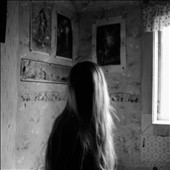
With The Miraculous, Swedish singer, songwriter, and keyboardist Anna von Hausswolff has delivered an album as different from 2013's celebrated Ceremony as that was from 2010's Singing from the Grave. On Ceremony, Hausswolff discovered the sonic possibilities of the cathedral organ. Her four-octave vocal range rose above compositions that wove classically tinged Gothic art pop and skeletal post-rock that touched on Sweden's gloomy operatic and folk traditions. Sometimes gentle and dreamy, and just as often moody and droning (sometimes inside the same tune), she has created an iconoclastic brand of indie music. On The Miraculous, Hausswolff doubles down on the organ. The instrument she's using here is an enormous 9,000-pipe Acusticum Organ designed by Gerard Woehl. Its vast tonal and instrumental possibilities include sounds for glockenspiel, vibraphone, celeste, percussion, and indefinable high-pitched shrieking sounds that extend the upper reaches of the Western harmonic system (these pipes are partially submerged in water). Vocally, Hausswolff moves effortlessly through her range, but she also employs guttural throat and body sounds, as well as skittering, ululuations (a la Diamanda Galas and Jarboe). Her voice becomes an integral instrument in the album's sound. The relatively brief, almost funereal "The Hope of Only Empty Men" has a rhythm created from the organ's swirling pulse accentuated by a kick drum and whispering cymbals with industrial noise spinning above. Her monotone singing offers an emotionally devastating lyric, but the restrained melody remains unaffected because her voice barely rises above the sonics. In contrast, "Pomperipossa" is a short, melodic, tender Gothic love song that reveals the enduring influence of Kate Bush. "Come Wander with Me" is stunning. Over nearly 11 minutes, the music moves through droned-out Gothic blues (think Desertshore-era Nico), crushing doom metal, early King Crimson-esque prog-industrial noise rock, Swedish folk, and something approaching Byzantine chant. Its nerve-cracking guitars, bashing processional drums, layered percussion, and waves of feedback are all fueled by her earth-quaking organ. Hausswolff's voice is equally extreme. It shifts wildly between alto and soprano, delivering an apocalyptic lyric when words don't suffice. This is excess-laden extreme music at its grandiose best. The ten-minute title number couldn't be more different: It begins on a brooding, sub-baritone organ drone; it very gradually lightens in color and timbre with gentle dissonances and timbral shifts. When she begins signing -- four minutes in -- treated backing vocals shade her own tender, passionate, multi-tracked performance. The cut's mood is altered from balladic to liturgical, from duskily ethereal to brightly lit, and the effect is transformative. Closer "The Stranger" is a cinematic folk-rock song; it's like a tune in a spaghetti western soundtrack produced by Lee Hazlewood with glockenspiel, harp, and cymbalom sounds crisscrossed with guitars and subdued percussion. As a composer, singer, and sound sculptor, Hausswolff is in full control on The Miraculous, balancing harshness and intimacy, heaviness and airy melancholy. It's an uncompromising view, but it's also welcoming. ~ Thom Jurek
読み込み中にエラーが発生しました。
画面をリロードして、再読み込みしてください。