Jazz
CDアルバム

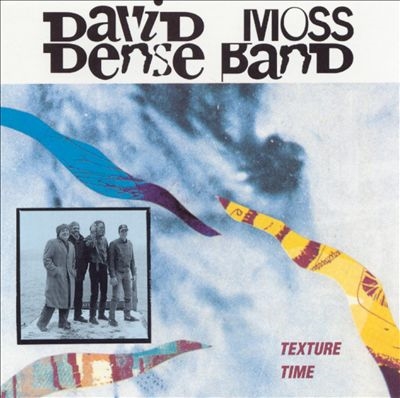
Texture Time

0.0

販売価格

¥
2,818
税込
ポイント15%還元

廃盤

在庫状況 について

フォーマット CDアルバム
発売日 1997年07月26日
国内/輸入 輸入
レーベルEMI Records (Germany)
構成数 1
パッケージ仕様 -
規格品番 34
SKU 7619943503429

構成数 : 1枚
合計収録時間 : 00:53:07
Personnel: David Moss (vocals, drums, electronics); John King (guitar); Anthony Coleman (keyboards). Audio Mixer: Peter Pfister. Recording information: Rote Fabrik, Zurich, Switzerland (02/22/1993/02/23/1993). David Moss is crazy, but I love him. There are many intellectual statements that can be made to create an apologia for this music of his, but none is necessary. Thankfully there is precious little of that. Moss is that rare avant-gardist: He has no need to be militant, nor does he need to justify what he does as somehow relevant. Basically, he doesn't give a sh*t what anybody thinks and that's good because his brand of vanguard exploration even makes some avant fans squeamish. Here's the deal: Moss claims that the Dense Band was created after he asked Fred Frith to produce a record that would frame his music in terms of songs. There have been countless avant heavies through its ranks, but this edition, in 1994, included John King on guitar, Anthony Coleman on keyboards, Jean Chaine on bass, and Moss playing drums, electronics, and, of course, "singing." To call these 15 selections "songs" in the Western, verse/refrain/verse/bridge/refrain sense would be absurd, as this is, in some sense, absurdist music. But make no mistake, these pieces are indeed songs. They feature repetitive sounds and textures, are turned around by a certain sense of rhythm and timing, and are colored in such a way that some of them are actually -- not "almost" as he states in his liner notes -- danceable. The obvious fractured funk of "A Dot, a Line" is most reminiscent, but even the more expansive and fractionally abstract pieces such as "Outrigger," "Double Broke Back Blues," "What Happens With Thunder," "Botticelli Niblets," and "Society of Niches" have their own ambience and structure that is recognizable and even memorable. There is an unaccredited and hilariously weird cover of the old Tom Jones standard "Delilah," and the most beautiful piece on the record, "Invisible Cities," uses fragments from the Italian writer Italo Calvino to carve a structure from the structure of sound vibration itself. ~ Thom Jurek

  1. 1.[CDアルバム]
    1. 1.
      A Dot, a Line
    2. 2.
      Society of Niches
    3. 3.
      Outrigger
    4. 4.
      Invisible Cities
    5. 5.
      Those Were the Days
    6. 6.
      Botticelli Niblets
    7. 7.
      Collision Course
    8. 8.
      Texture Time
    9. 9.
      Illusion of the Groove
    10. 10.
      Delilah
    11. 11.
      What Happens With Thunder
    12. 12.
      Kandinsky Decisions
    13. 13.
      Double Broke Back Blues
    14. 14.
      Understanding Gravity
    15. 15.
      Collision, of Course!

作品の情報

メイン
アーティスト: David Moss

商品の紹介

David Moss is crazy, but I love him. There are many intellectual statements that can be made to create an apologia for this music of his, but none is necessary. Thankfully there is precious little of that. Moss is that rare avant-gardist: He has no need to be militant, nor does he need to justify what he does as somehow relevant. Basically, he doesn't give a sh*t what anybody thinks and that's good because his brand of vanguard exploration even makes some avant fans squeamish. Here's the deal: Moss claims that the Dense Band was created after he asked Fred Frith to produce a record that would frame his music in terms of songs. There have been countless avant heavies through its ranks, but this edition, in 1994, included John King on guitar, Anthony Coleman on keyboards, Jean Chaine on bass, and Moss playing drums, electronics, and, of course, "singing." To call these 15 selections "songs" in the Western, verse/refrain/verse/bridge/refrain sense would be absurd, as this is, in some sense, absurdist music. But make no mistake, these pieces are indeed songs. They feature repetitive sounds and textures, are turned around by a certain sense of rhythm and timing, and are colored in such a way that some of them are actually -- not "almost" as he states in his liner notes -- danceable. The obvious fractured funk of "A Dot, a Line" is most reminiscent, but even the more expansive and fractionally abstract pieces such as "Outrigger," "Double Broke Back Blues," "What Happens With Thunder," "Botticelli Niblets," and "Society of Niches" have their own ambience and structure that is recognizable and even memorable. There is an unaccredited and hilariously weird cover of the old Tom Jones standard "Delilah," and the most beautiful piece on the record, "Invisible Cities," uses fragments from the Italian writer Italo Calvino to carve a structure from the structure of sound vibration itself. ~ Thom Jurek
Rovi

メンバーズレビュー

レビューを書いてみませんか?

読み込み中にエラーが発生しました。

画面をリロードして、再読み込みしてください。