ビョーク史上、最も生身の彼女がここに。愛する人との決別を辿る“ハートブレイク・アルバム”
全世界待望、ビョークの4年振り8枚目のスタジオ・アルバム『ヴァルニキュラ』が遂に登場。最愛のパートナーとの別れ、絶望、“家族”の崩壊、そして傷の癒えを生々しく描いた、“ハートブレイク・アルバム”。
“宇宙”や“自然科学”などをコンセプトとした壮大プロジェクトでもあった、前作『バイオフィリア』とは対照的な、ビョーク史上最もエモーショナルでパーソナルな作品となっている。今作はビョークと、カニエ・ウエスト『イーザス』やFKA ツイッグス『LP1』などを手掛けたことで注目を集めている、若き鬼才プロデューサー=アルカと、その前衛的なプロダクションで知られるUK出身プロデューサー=ハクサン・クロークと共同プロデュースされたもの。ビョークならではのストリングスとビートの融合と、パーソナルでもあり普遍的でもあるこのアルバムは、2015年最も重要な作品の一つとなること間違いなし!
発売・販売元 提供資料(2015/02/10)
Rolling Stone - 4 stars out of 5 -- "VULNICURA is a unified set of nine dark, swarming, melodically distended songs....This may be the most heart-rending music she's ever made."
Clash - "Her voice is hers alone -- and it shall always remain so, unequivocally unique."
Spin - "[W]hat a welcome surprise that VULNICURA, her ninth album, is not just her most focused work in more than a decade, but her first in a while aimed more at the heart than the head."
Paste - "Complexity and metaphors reign on VULNICURA. The stark, dueling musical styles invoke a rare intricacy and intimacy that seem to represent her mixed emotions of fear, anger, depression and sadness."
NME - "Masterful string arrangements by Bjork express matters of the heart with the same candour as the words, while Venezuelan producer Arca's fractured, difficult beats -- often in uncommon time signatures -- reflect the disruption to Bjork's real-life rhythm."
Magnet - "Bleak and cold, spacious and smothering, VULNICURA has a tactile shroud that you can almost touch..."
Entertainment Weekly - "[A] devastating chronicle of the demise of her marriage..."
Rovi
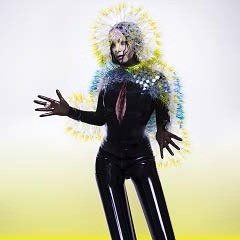
Never one to do things timidly, with Vulnicura Bjork delivers a breakup album that doesn't just express sadness -- it immerses listeners in the total devastation of heartbreak. Starting with the album cover's wound/vulva imagery, she explores the tightly linked emotional and physical pain the end of a relationship brings with an intensity that has been missing from her music for too long. As expertly as she wedded feelings and concepts on Medulla, Volta, and especially Biophilia, hearing her sing directly about her emotions is a galvanizing reminder of just how good she is at it. For the first time in a long time, the conceptual framework of a Bjork album feels like it's in service of the feelings she needs to express, and as she traces the before, during, and after of a breakup, she links Vulnicura to the most emotionally bare parts of her discography. The clearest connection is to Homogenic's electro-orchestral drama, which she updates on "Stonemilker." The way Bjork sings "emotional needs" echoes "Joga"'s "emotional landscapes" and prepares listeners for the state of emergency that she's about to throw her listeners into. On "History of Touches," she inverts the hushed intimacy of Vespertine (the album that celebrated the beginning of her relationship with artist Matthew Barney, just as this one chronicles its end) with choppy synth-strings that convey the fractured sensuality of being physically close and emotionally worlds apart. However, Vulnicura's songs are often longer and more deconstructed than either of those albums, and the involvement of co-producers Arca and Haxan Cloak (who also handled most of the mixing) ensures that this is some of Bjork's darkest music yet. "Lionsong" brilliantly captures the nauseating anxiety of an uncertain relationship, its warped harmonies and teetering strings evoking a high-stakes game of "he loves me, he loves me not." Even though Bjork crawls out of the abyss on the album's final third, which culminates with the relatively hopeful "Quicksand," that agonizing middle section is Vulnicura's crowning achievement and crucible. The ten-minute "Black Lake" allows Bjork the space to let everything unravel, and as the strings drone and the beats tower and topple, her straightforward lyrics ("You have nothing to give/Your heart is hollow") perfectly distill the moments of purging and clarity that eventually point the way out of heartache. Here and on "Family," where Haxan Cloak's claustrophobic production makes Bjork's anguish (the way she sings "sorrow" contains multitudes) all the more wrenching, the purity of her expression is both highly personal and universal. Vulnicura honors her pain and the necessary path through and away from loss with some of her bravest, most challenging, and most engaging music. ~ Heather Phares|
Rovi
Never one to do things timidly, with Vulnicura Bjork delivers a breakup album that isnt just sad -- it throws listeners into the total devastation of heartbreak. Starting with the album covers wound/vulva imagery, she explores the tightly linked emotional and physical pain the end of a relationship brings with an intensity that has been missing from her music for too long. As expertly as she wedded feelings and concepts on Medulla, Volta, and especially Biophilia, hearing her sing directly about her emotions is a galvanizing reminder of just how good she is at it. For the first time in a long time, the conceptual framework of a Bjork album feels like its in service of feelings she must express, and as she traces the before, during, and after of a breakup, she links Vulnicura to the most emotionally bare parts of her discography. The clearest connection is to Homogenics electro-orchestral drama, which she updates on Stonemilker. The way Bjork sings emotional needs echoes Jogas emotional landscapes and prepares listeners for the state of emergency that makes up the rest of the album. On History of Touches, she inverts the hushed intimacy of Vespertine (the album that celebrated the beginning of her relationship with artist Matthew Barney, just as this one chronicles its end) with choppy synth-strings that convey the fractured sensuality of being physically close and emotionally worlds apart. However, Vulnicuras songs are often longer and more deconstructed than either of those albums, and the involvement of co-producers Arca and Haxan Cloak (who also handled most of the mixing) ensures that this is some of Bjorks darkest music. Lionsong brilliantly captures the nauseating anxiety of an uncertain relationship, its warped harmonies and teetering strings evoking a high-stakes game of he loves me, he loves me not. Even though Bjork crawls out of the abyss on the albums final third, which culminates with the relatively hopeful Quicksand, Vulnicuras agonizing middle section is its crowning achievement and crucible. The ten-minute Black Lake allows Bjork the space to let everything unravel, and as the strings drone and the beats tower and tumble, her unvarnished lyrics (You have nothing to give/Your heart is hollow) perfectly distill the moments of purging and clarity that eventually point the way out of heartache. Here and on Family, where Haxan Cloaks claustrophobic production makes Bjorks anguish (the way she sings sorrow contains multitudes) all the more wrenching, the purity of her expression is both highly personal and universal. Vulnicura honors her pain and the necessary path through and away from loss with some of her bravest, most challenging, and most engaging music. ~ Heather Phares
Rovi
 規格品番とは、日本レコード協会が定めた規格に基づき、CD・DVDなどの市販されているメディアに対して付けられたコードのこと。英数字4文字(記号)と数値1~5桁(シリアル番号)の組み合わせを用いる。




 購入上の注意





